
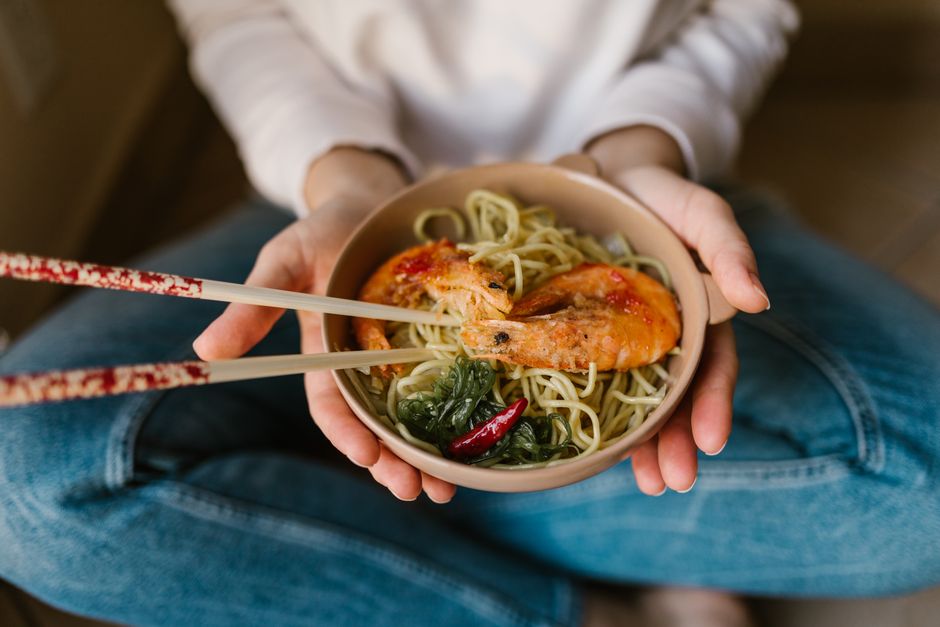
Humans sit at the very top of the shrimp food chain. We are apex predators in that system — no other animal regularly eats us in the context of shrimp ecology. When you eat shrimp, you are taking energy that passed through algae, tiny animals, and the shrimp itself before reaching your plate.
That position comes with real consequences. The higher you sit on a food chain, the more concentrated certain contaminants can become in your body. This is why the question of where people fit in the shrimp food chain matters beyond ecology. It affects what is on your plate and what may come with it.
Where Are People In The Shrimp Food Chain Top Predators?
Yes. People are top predators in the shrimp food chain. Nothing in that chain hunts humans for food. We sit at the end of the line.
A food chain is a simple map of who eats whom. In shrimp ecology, it looks like this: microscopic algae and plankton make their own food from sunlight. Small animals like copepods and larvae eat the algae. Shrimp eat those small animals. Then larger fish, birds, sea turtles, and humans eat the shrimp.
At each step, only about a tenth of the energy moves up to the next level. The rest is lost as heat and used for the animal’s own life processes. This is why food chains rarely have more than four or five links. There simply is not enough energy left at the top to support many large predators.
Humans are unusual top predators because we eat across many levels. We eat shrimp, but we also eat the fish that eat shrimp, and the plants at the base. This makes us generalists rather than specialists. In the specific chain that runs through shrimp, though, we are still the end point.
What Does It Mean To Be A Top Predator In This Chain?
Being a top predator means you are not on the menu. It also means you accumulate certain things that move up the chain.
Some pollutants do not break down easily in the body. They dissolve in fat and stay there. When a small animal eats contaminated algae, it stores those chemicals. When a shrimp eats many small animals, it collects what they stored. When you eat many shrimp over years, you collect what they stored. This process is called bioaccumulation, and the increase at each step is called biomagnification.
Mercury is the classic example. It builds up in the tissues of long-lived predatory fish far more than in shrimp. Shrimp are short-lived and small, so they generally carry much lower mercury levels than large fish like shark, swordfish, or king mackerel. This is one reason shrimp are often listed among lower-mercury seafood choices.
The same principle applies to some industrial chemicals that persist in the environment. Levels in shrimp are generally far below those in large predatory fish, but they are not zero.
Are Shrimp Low In Mercury Compared To Other Seafood?
Shrimp consistently rank among the lowest-mercury seafood options. That is one of the few things about shrimp and health that is not seriously debated.
Mercury in seafood comes mostly from methylmercury, a form that builds up in animal tissue. Large, long-lived predatory fish accumulate the most because they eat many smaller fish over many years. Shrimp are small, short-lived, and sit lower on the chain, so they accumulate far less.
This is why public health guidance generally places shrimp in the “best choices” category for most people. For people who are pregnant, may become pregnant, or are breastfeeding, shrimp is typically listed among seafood that is encouraged rather than limited. Seafood provides nutrients like omega-3 fatty acids and iodine that support fetal brain development, and the guidance balances that benefit against mercury risk.
Exact serving recommendations vary and are updated periodically. If you are pregnant or breastfeeding, check current guidance from a public health authority rather than relying on a general article, including this one.




Does Being A Top Predator Mean Shrimp Are Unsafe To Eat?
No. For most people, shrimp are a safe and nutritious food. The top-predator position means we concentrate some contaminants, but shrimp are among the lowest-risk seafood in that regard.
Shrimp are a lean source of protein and provide selenium, iodine, and vitamin B12. They are low in saturated fat. For most adults, the nutritional benefits of eating shrimp outweigh the contaminant concerns, which are small for this particular seafood.
Two things deserve honesty here. First, shrimp are a common allergen. Shellfish allergy is one of the most common food allergies and can be severe. If you have a shellfish allergy, shrimp are not safe for you regardless of mercury content. Second, how shrimp are farmed or caught, and how they are handled and cooked, affects food safety in ways that have nothing to do with the food chain.
How Does Cooking Change The Picture?
Cooking does not remove mercury or most persistent chemicals. Heat does not destroy them, and they stay in the tissue.
What cooking does address is the bacterial and viral contamination that can cause foodborne illness. Shrimp can carry bacteria like Vibrio, and proper cooking kills them. This is a separate issue from the food chain and from bioaccumulation.
Shrimp should be cooked until the flesh is opaque and firm. Raw or undercooked shrimp carry a real risk of foodborne illness, and that risk is higher for people who are pregnant, older adults, young children, and anyone with a weakened immune system. This is established food-safety guidance, not a matter of debate.
Do Shrimp Have Predators Besides People?
Yes. Humans are not the only animals that eat shrimp. Many are.
Fish are major shrimp predators, along with seabirds, sea turtles, seals, octopuses, and other crustaceans. In some ecosystems, shrimp are a critical link that moves energy from tiny plankton up to larger fish and then to the animals that eat those fish.
This matters for the food chain question because it shows shrimp are not a dead end. They are a bridge. Energy and contaminants pass through them to whatever eats them next. When humans eat shrimp, we are one of several endpoints, just the one at the top of that particular path.
What Are The Limits Of This Analogy?
Calling humans “top predators” of the shrimp food chain is accurate but incomplete. Food webs are more tangled than a single chain suggests.
A food web shows that most animals eat many things and are eaten by many things. Shrimp eat a range of tiny organisms and are eaten by a range of predators. Humans eat shrimp but also farm them, trade them globally, and influence their populations in ways no other predator does. We are not just eating at the top of the chain. We are reshaping it.
One non-obvious point: the amount of contaminant that reaches you depends heavily on how many shrimp you eat and for how long, not just on where shrimp sit in the chain. A person who eats shrimp occasionally accumulates far less than someone who eats large amounts daily. The position in the chain sets the potential. Your actual intake sets the reality.
Frequently Asked Questions
Are humans at the top of the shrimp food chain?
Yes. Humans are apex predators in the shrimp food chain, meaning nothing in that chain hunts us for food. We sit at the end as consumers of shrimp.
Is shrimp high in mercury?
No. Shrimp are among the lowest-mercury seafood choices because they are small and short-lived and sit low on the food chain. Large predatory fish like shark and swordfish carry far more mercury.
Why do top predators accumulate more contaminants?
Some pollutants dissolve in fat and stay in the body instead of breaking down. Each time one animal eats another, it collects what the smaller animal stored, so levels rise at each step up the chain.
Is it safe to eat shrimp while pregnant?
Shrimp is generally listed among the lower-mercury seafood that public health guidance encourages during pregnancy. Check current recommendations from a public health authority, since specific serving advice is updated over time.
