
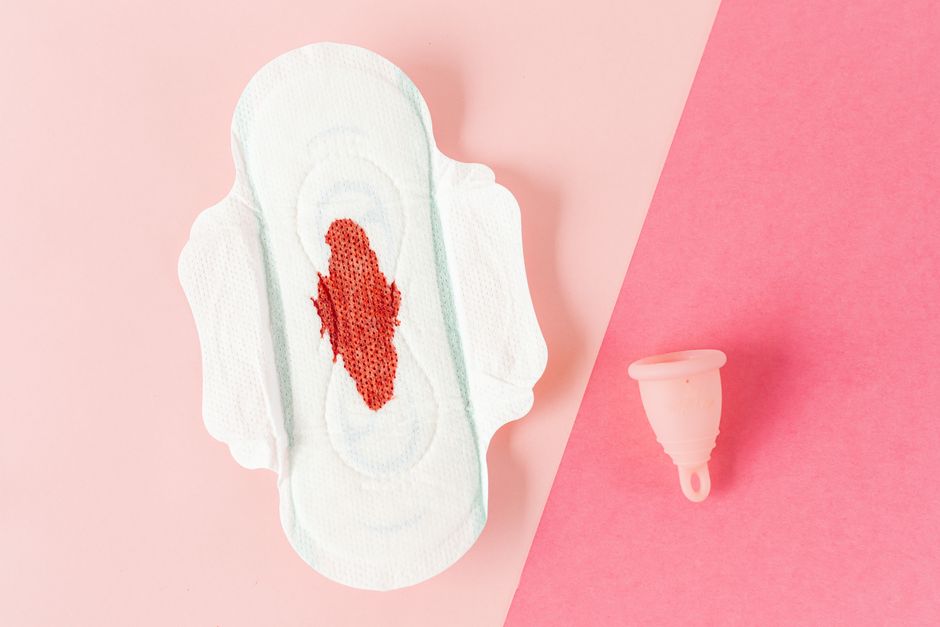
After a miscarriage, your period typically returns within four to six weeks. For some women it comes sooner, around two weeks after the pregnancy tissue has fully passed. For others it takes longer, sometimes up to eight weeks or more. The exact timing depends on how far along the pregnancy was, how your body handled the miscarriage, and your individual hormone levels.
What Happens to Your Body After a Miscarriage
Your body needs time to reset its hormonal cycle. During pregnancy, your levels of progesterone and estrogen rise steadily. When a miscarriage occurs, those hormone levels drop sharply. Your uterus also needs to shed the lining that built up during the pregnancy.
This process is similar to what happens at the end of a normal menstrual cycle, just on a larger scale. The uterine lining must be completely shed before a new cycle can begin. Your brain, specifically the pituitary gland, then restarts the hormonal signals that trigger ovulation.
That first ovulation after a miscarriage is what leads to your first period. The period itself arrives roughly two weeks after that ovulation, just like in a normal cycle. This is why the timing can feel unpredictable. You cannot know when your period will come until ovulation has actually happened.
When Will You Get Your Period After Miscarriage: Typical Timelines
Most women get their first period within four to six weeks after a miscarriage. This timeline is consistent regardless of whether the miscarriage was managed naturally, with medication, or with a surgical procedure called dilation and curettage, often shortened to D&C.
If the pregnancy was further along, the timeline may stretch slightly longer. A miscarriage in the second trimester involves higher hormone levels and a thicker uterine lining, so it can take the body more time to recover. A very early miscarriage, sometimes called a chemical pregnancy, may be followed by a period in as little as two weeks.
Your first period after a miscarriage may be different from your usual periods. It can be heavier, lighter, more painful, or longer than normal. This is common and usually not a cause for concern. The second period is often closer to your normal pattern.
If your period has not returned within eight weeks, contact your healthcare provider. They may want to check your hormone levels or perform an ultrasound to ensure no pregnancy tissue remains in your uterus.
How a Miscarriage Affects Your Next Cycle
Your first post-miscarriage cycle may not be the same length as your typical cycle. Some women ovulate earlier than expected, others later. This makes it difficult to predict when your period will arrive.
Bleeding from the miscarriage itself can sometimes be confused with a period. If you passed tissue at home, you may have experienced several days of heavy bleeding followed by lighter spotting. This is not a period. It is the miscarriage process itself. Your actual first period comes only after your body has ovulated again.
Some women notice changes in their cervical mucus or other ovulation signs in the weeks after a miscarriage. This can be a helpful signal if you are trying to track your cycle. However, these signs are not reliable for everyone, especially in the first cycle after a pregnancy loss.
It is also possible to ovulate before your first period arrives. This means fertility can return quickly, even if you have not yet had a period. If you are not ready to become pregnant again, contraception should be considered as soon as you resume sexual activity.





What Can Delay Your Period After a Miscarriage
Several factors can push your first period later than the expected four to six weeks. Retained pregnancy tissue is one of the most common causes. If fragments of the placenta or fetus remain in the uterus, your body cannot complete the shedding process. This usually requires medical treatment to resolve.
Hormonal imbalances can also delay your period. Your thyroid function and prolactin levels play a role in regulating your cycle. If either is off, ovulation may be delayed. This is not common, but it can happen after a pregnancy loss.
Stress is another factor. The emotional toll of a miscarriage is real and can affect your body’s hormonal signaling. High stress levels can suppress ovulation, which in turn delays your period.
Certain medications, including some that are used to manage the miscarriage itself, can affect your cycle. If you took medication to complete the miscarriage, your body may need an extra cycle or two to return to normal.
Signs That Something May Be Wrong
Most post-miscarriage recovery follows a predictable pattern. However, certain symptoms warrant immediate medical attention. Heavy bleeding that soaks through a pad every hour for several hours is not normal. Severe pelvic pain, fever, or foul-smelling discharge can indicate an infection.
If you experience any of these symptoms, contact your doctor right away. Do not wait to see if they improve on their own. Early treatment is important to prevent complications.
The absence of a period by eight weeks is another reason to check in with your healthcare provider. They can perform blood tests to measure your hormone levels and an ultrasound to examine your uterus. In most cases, the delay is harmless and your period arrives on its own. But it is worth confirming that everything is healing properly.
Some women experience very light bleeding that comes and goes in the weeks after a miscarriage. This is usually normal as the uterine lining continues to shed. If the bleeding becomes heavy or painful, seek medical advice.
When Can You Try to Conceive Again
Many healthcare providers suggest waiting until you have had at least one normal period before trying to conceive again. This gives your uterine lining time to rebuild and makes it easier to date a new pregnancy. Some providers recommend waiting longer if the miscarriage occurred in the second trimester or if there were complications.
Research does not clearly show that waiting longer improves your chances of a healthy pregnancy. Some studies suggest that conceiving within three months of a miscarriage may actually be associated with a slightly higher chance of a live birth. The evidence is not strong enough to make a firm recommendation either way.
The most important factor is your physical and emotional readiness. Your body may be ready before you are emotionally prepared. There is no wrong choice here. Take the time you need.
If you have had two or more consecutive miscarriages, your doctor may recommend testing to look for underlying causes. This typically includes blood tests, genetic testing of the pregnancy tissue, and imaging of your uterus. Most women who experience recurrent pregnancy loss go on to have a healthy pregnancy.
Tracking Your Cycle After a Miscarriage
Tracking your cycle can help you understand what is normal for your body after a miscarriage. Start by noting the first day of your period once it arrives. This marks the beginning of your new cycle. Count forward to see how long your cycle is and whether it matches your pre-pregnancy pattern.
Basal body temperature tracking can help you identify when you ovulate. Your temperature rises slightly after ovulation and stays elevated until your next period. This method takes practice but can be useful if you are trying to conceive or avoid pregnancy.
Ovulation predictor kits are another option. These test for the surge of luteinizing hormone that occurs about 24 to 36 hours before ovulation. They are widely available and generally reliable for most women.
Do not be alarmed if your first few cycles after a miscarriage are irregular. It can take your body several months to fully regulate. If your cycles remain irregular after three months, discuss this with your healthcare provider.
Frequently Asked Questions
Can I get pregnant before my first period after miscarriage?
Yes, you can ovulate before your first period arrives, which means pregnancy is possible. If you want to avoid pregnancy, use contraception as soon as you resume sexual activity.
Is my first period after miscarriage heavier than normal?
Many women experience a heavier or more painful first period after a miscarriage. This is usually normal and should improve by your second or third cycle.
What if my period does not come after eight weeks?
Contact your healthcare provider if your period has not returned within eight weeks. They may check for retained tissue or hormonal issues that could be delaying your cycle.
How soon after a miscarriage can I try to conceive again?
Many providers recommend waiting until you have had at least one normal period. Some studies suggest conceiving sooner does not increase risk, but the evidence is not conclusive.
