
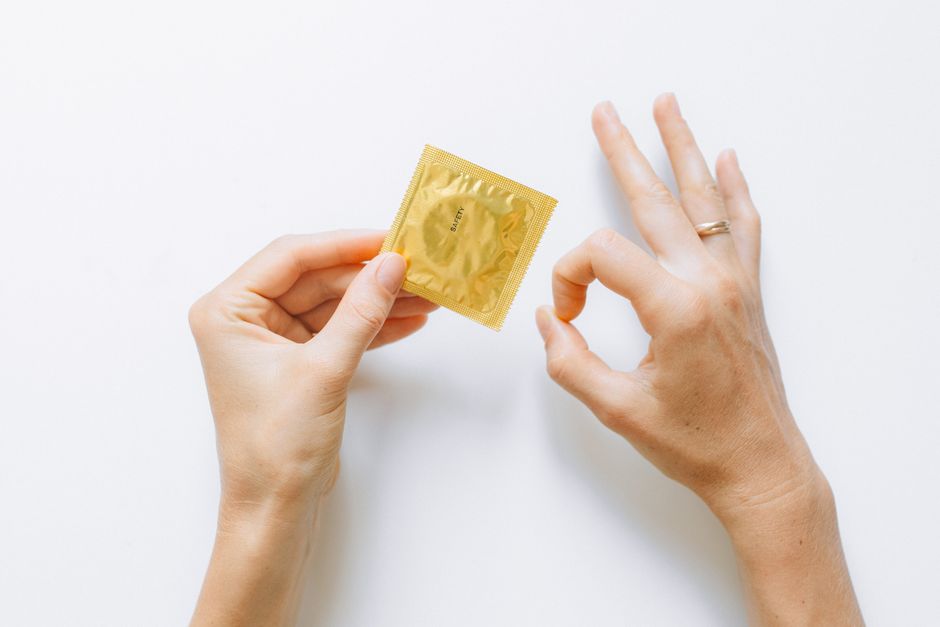
Contraception is far older than most people think. The first recorded birth control methods date back nearly 4,000 years, with ancient Egyptian texts describing recipes for vaginal suppositories made from honey, acacia leaves, and lint. Modern contraception as we know it — reliable hormonal pills, intrauterine devices, and barrier methods — emerged only in the last century. The timeline matters because it explains why some methods are well-studied and others remain controversial today.
When Was Contraception Invented in the Ancient World?
The oldest written record of contraception comes from an Egyptian papyrus dated around 1850 BCE. It describes a pessary made of crocodile dung, honey, and sodium carbonate. Whether it worked is unclear, but the intention was clearly to prevent pregnancy.
Ancient Greeks and Romans also documented birth control practices. Soranus, a Greek physician writing in the 2nd century CE, recommended wool soaked in vinegar or oil placed inside the vagina as a barrier. Some of these early methods may have had partial effectiveness by changing vaginal acidity, but none were reliable by modern standards.
Plants with hormonal properties were used across cultures. Silphium, a now-extinct plant from North Africa, was so prized as a contraceptive that its image appeared on ancient Greek coins. Researchers believe it may have contained compounds similar to modern hormonal contraceptives, though this has never been proven.
What Did the First Condoms Look Like?
Condoms have existed in some form for centuries. The oldest preserved condoms are animal membrane sheaths found in a latrine in Dudley Castle, England, dating to 1640. They were made from animal intestine and were likely used to prevent infection as much as pregnancy.
In the 1700s, condoms made from linen were sold in Europe. They were often reused and washed. The rubber condom arrived in 1855, and latex condoms — the type used today — were introduced in the 1920s. Latex was a genuine breakthrough because it was thinner, stronger, and could be manufactured cheaply at scale.
Modern condoms are one of the few contraceptive methods with decades of safety data. When used consistently and correctly, they prevent pregnancy in about 98% of cases over a year of use. Typical use — which includes mistakes and inconsistent use — drops that effectiveness to about 87%.
When Did Hormonal Birth Control Become Available?
The birth control pill was approved for use in the United States in 1960. It was developed by Gregory Pincus and John Rock, with funding from activist Margaret Sanger and heiress Katharine McCormick. The first pill, Enovid, contained far higher hormone doses than modern pills.
Early pills caused significant side effects because of those high doses. Some women experienced nausea, weight gain, and blood clots. The U.S. Food and Drug Administration required warning labels about the risks in 1969, and subsequent formulations used lower doses.
Modern combination pills contain 20 to 35 micrograms of ethinyl estradiol, compared to 150 micrograms in the original Enovid. This reduction made the pill safer while maintaining effectiveness. When taken correctly, the pill prevents pregnancy in over 99% of cases. Typical use effectiveness is about 91%.





How Did the IUD Change Contraception?
Intrauterine devices, or IUDs, have a longer and more complicated history than the pill. The first widely used IUD was the Gräfenberg ring, introduced in Germany in the 1920s. It was made of silver wire and had mixed results.
In the 1960s and 1970s, the Dalkon Shield caused serious infections and pelvic inflammatory disease in thousands of women. Its design — a multifilament string that allowed bacteria to travel into the uterus — was the problem. The device was removed from the market in 1974, and IUD use in the United States dropped sharply.
Modern IUDs are fundamentally different devices. The copper IUD (ParaGard) and hormonal IUDs (Mirena, Kyleena, and others) have failure rates below 1% per year. They are now considered among the most effective reversible contraceptives available. The earlier safety problems do not apply to current devices, but the history explains why some older patients remain hesitant about IUDs.
What Counts as an Effective Contraceptive Today?
Effectiveness is measured by failure rate over one year of use. The most reliable methods are those that do not depend on daily action from the user.
- Implants (Nexplanon): less than 1% failure rate. A small rod placed under the skin of the arm releases progestin for up to three years.
- IUDs: less than 1% failure rate for both copper and hormonal types. They last 3 to 10 years depending on the brand.
- Injectable birth control (Depo-Provera): about 4% failure rate with typical use. Requires an injection every three months.
- Birth control pill: 91% effective with typical use, 99% with perfect use.
- Condoms: 87% effective with typical use, 98% with perfect use.
- Fertility awareness methods: 76% effective with typical use. These require strict daily tracking and are highly sensitive to user error.
No method is 100% effective except abstinence from vaginal intercourse. Even sterilization — tubal ligation or vasectomy — has a small failure rate over time.
When Did Emergency Contraception Appear?
Emergency contraception is not new. High doses of regular birth control pills were used off-label for this purpose as early as the 1970s. The first dedicated emergency contraceptive pill, Preven, was approved in the United States in 1998. Plan B, a progestin-only pill, followed in 1999.
Copper IUDs can also serve as emergency contraception when inserted within five days of unprotected sex. Some research indicates they are more effective than emergency pills, though many women do not know this option exists.
Emergency contraceptive pills work by delaying ovulation. They do not end an existing pregnancy, and they are not the same as abortion pills. This distinction is frequently confused in public discussion.
What Does the Future of Contraception Look Like?
Research continues on male contraceptives, though none have reached the U.S. market as of the time of this writing. Several hormonal gels and pills are in clinical trials, but progress has been slow and funding inconsistent.
Non-hormonal options are also being studied. Some research has focused on compounds that block sperm function without altering hormones. These would offer an alternative for women who cannot take estrogen-containing contraceptives due to blood clot risk or other medical conditions.
The evidence for these emerging options is still limited. No large human trials have confirmed their safety or effectiveness. Anyone considering an experimental method should understand that clinical trial results do not guarantee eventual approval.
Frequently Asked Questions
What was the first form of contraception ever used?
The oldest recorded contraceptive is an Egyptian recipe from around 1850 BCE using honey, acacia leaves, and lint as a vaginal suppository. Whether it worked is unknown, but it shows deliberate pregnancy prevention existed thousands of years ago.
When was the birth control pill invented?
The first birth control pill was approved in the United States in 1960. It contained much higher hormone doses than modern pills, which caused more side effects.
Are modern IUDs safe?
Yes, modern IUDs are safe and have a failure rate below 1% per year. The serious infections linked to the Dalkon Shield in the 1970s involved a flawed design that current devices do not use.
What is the most effective form of birth control?
Implants and IUDs are the most effective reversible methods, with failure rates under 1% per year. Sterilization is the only more effective option, and no method is 100% reliable.
