
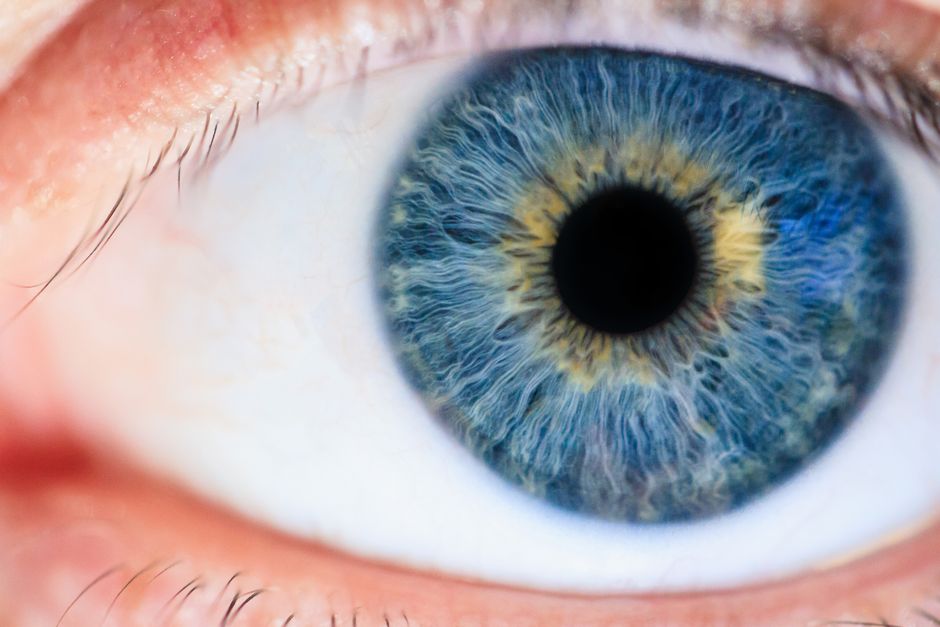
Your pupils naturally widen in dim light and narrow in bright light. That is normal. But when pupils stay dilated in bright conditions, or when only one pupil is much larger than the other, it can signal a problem. The key question is whether the dilation is a normal response to light or a sign of something pressing on the brain or affecting the nerves that control the eye.
You should worry about dilated pupils when they remain large in bright light, when one pupil is noticeably larger than the other, or when dilation comes with symptoms like a severe headache, blurred vision, confusion, or nausea. These signs can point to a neurological emergency, such as increased pressure inside the skull. If you or someone with you has these symptoms, seek emergency medical care immediately rather than waiting to see if it passes.
What Is Normal Pupil Dilation?
The pupil is the dark opening in the center of the iris. It controls how much light enters the eye. The iris has two sets of muscles. One set constricts the pupil in bright light. The other set dilates it in dim light or during states of arousal, fear, or focus.
Normal pupil size in a healthy adult ranges from about 2 to 4 millimeters in bright light and 4 to 8 millimeters in darkness. These numbers vary from person to person, and they change with age. Older adults often have smaller pupils that respond more slowly to light changes.
Pupil response should be equal in both eyes. When you shine a light into one eye, both pupils should constrict. This is called the consensual light reflex. It is one of the first things clinicians check during a neurological exam because it is a fast, reliable window into brainstem function.
Common Causes of Dilated Pupils That Are Not Dangerous
Several everyday situations cause both pupils to dilate. These are usually harmless and temporary.
Low light is the most common cause. Your pupils widen to let in more light so you can see better. This is a reflex, not a symptom.
Emotional arousal also dilates pupils. Excitement, fear, surprise, and intense focus all trigger the sympathetic nervous system, which sends signals to the iris to widen the pupil. This is why pupils look larger when someone is excited or frightened.
Certain medications cause pupil dilation as a side effect. Antihistamines, decongestants, motion sickness patches, and some antidepressants can all make pupils larger. Eye drops used during an eye exam, such as tropicamide or atropine, deliberately dilate the pupil and can keep it dilated for hours.
Caffeine and nicotine stimulate the nervous system and can cause mild, temporary dilation. So can illicit stimulants like cocaine and amphetamines. In these cases, both pupils are typically affected equally.
When Dilated Pupils Signal a Medical Emergency
Not all dilation is benign. Certain patterns demand immediate attention.
A single dilated pupil is more concerning than both pupils dilated. When one pupil is 1 millimeter or more larger than the other, and the difference persists in both bright and dim light, it is called anisocoria. This can be harmless in a small percentage of people, but it can also indicate a serious condition affecting the nerve that controls the pupil, the iris itself, or the brain.
Both pupils fixed and dilated is an emergency. If a person has two large pupils that do not constrict when a bright light is shone into them, this can indicate severe brain injury, oxygen deprivation, or drug overdose. This requires immediate emergency care.
Head trauma with dilated pupils is a red flag. A blow to the head followed by a dilated pupil on one side can indicate bleeding inside the skull that is pushing the brain against the nerve that controls the pupil. This is a life-threatening situation.
Seek emergency care if dilated pupils occur with any of these symptoms:
- Severe headache, especially one that came on suddenly
- Blurred or double vision
- Confusion, dizziness, or difficulty speaking
- Nausea or vomiting
- Weakness on one side of the body
- Neck stiffness
- Loss of consciousness, even briefly
These symptoms together suggest increased pressure inside the skull, stroke, or a brain aneurysm. Do not wait to see if symptoms improve. Go to an emergency department.
Medical Conditions That Cause Abnormal Pupil Dilation
Several neurological conditions affect pupil size and response. Knowing them helps you recognize when dilation is more than a passing effect of lighting or emotion.
A third nerve palsy affects the cranial nerve that controls most of the eye muscles and the pupil constrictor muscle. When this nerve is compressed, the pupil on that side becomes large and does not respond to light. The eyelid may droop, and the eye may have trouble moving. A third nerve palsy can be caused by an aneurysm pressing on the nerve, which is a medical emergency.
Adie’s tonic pupil is a condition where one pupil is unusually large and responds very slowly to light. It is more common in women and often affects people in their 30s and 40s. The cause is damage to the nerve fibers that supply the pupil constrictor muscle. It is not dangerous, but it can be mistaken for something serious. Many people with Adie’s pupil also have reduced reflexes in their knees and ankles.
Horner’s syndrome causes the opposite problem — a constricted pupil, not a dilated one. But it is worth knowing because it is sometimes confused with anisocoria. In Horner’s syndrome, the affected pupil is smaller, the eyelid droops slightly, and sweating is reduced on that side of the face.
Cluster headaches can cause pupil changes on the side of the pain. During an attack, the pupil on the affected side may become constricted or, less commonly, dilated. The intense pain of a cluster headache usually makes the diagnosis clear.
Seizures, particularly those originating in certain parts of the brain, can cause transient pupil dilation. The dilation typically resolves when the seizure ends.
Drugs and Toxins That Dilate Pupils
Substance exposure is a leading cause of abnormal pupil dilation. Knowing which substances do this can help you identify the cause.
Anticholinergic drugs block a neurotransmitter called acetylcholine, which is needed for the pupil to constrict. When this signal is blocked, the pupil stays dilated. This class includes some antihistamines, certain antidepressants, medications for overactive bladder, and some muscle relaxants. Severe anticholinergic toxicity can cause both pupils to become fixed and dilated, along with confusion, dry skin, and rapid heart rate.
Sympathomimetic drugs stimulate the nervous system and cause pupil dilation. These include decongestants like pseudoephedrine, stimulants like amphetamines and cocaine, and some asthma medications. These typically cause both pupils to dilate equally.
Plants and household products can also cause dilation. Angel’s trumpet and jimsonweed, both in the nightshade family, contain anticholinergic compounds. Accidental exposure causes pupils to dilate widely and can cause confusion and hallucinations. Organophosphate pesticides, ironically, cause constricted pupils, not dilated ones.
If someone has dilated pupils and you suspect drug exposure, look for other signs. Anticholinergic toxicity often causes dry mouth, flushed skin, and confusion. Stimulant overdose can cause agitation, rapid heart rate, and high blood pressure. In either case, emergency care is warranted.
When To Worry About Dilated Pupils: The Key Patterns
Most people who notice dilated pupils in the mirror do not have an emergency. But certain patterns should push you toward medical evaluation.
Worry when the dilation does not respond to light. Shine a bright light into the eye. A normal pupil constricts. If it stays large, that is abnormal.
Worry when one pupil is different from the other. A difference of 1 millimeter or more, especially if it is new, deserves a medical evaluation. If it is accompanied by headache, vision changes, or neurological symptoms, it is an emergency.
Worry when dilation comes with any neurological symptom. Headache, confusion, weakness, numbness, or difficulty speaking alongside pupil changes points to a brain problem, not an eye problem.
Worry when the cause is a head injury. Any new pupil change after trauma to the head requires immediate emergency evaluation.
Worry when there is no explanation. If you have not taken medications, have not used drugs, and are not in dim light, but your pupil is still large, get it checked.
Do not worry when both pupils are equally dilated in dim light and constrict normally in bright light. Do not worry when dilation follows an eye exam with dilating drops. Do not worry when a mild difference in pupil size has been present for years and is documented as benign by a clinician.
What to Expect at a Medical Evaluation
If you seek medical care for dilated pupils, the clinician will start with a focused history. They will ask when you noticed the change, whether it is new, what medications you take, whether you have had any head injury, and whether you have any other symptoms.
The physical exam will include a careful check of pupil size and reactivity in both light and dark conditions. The clinician will likely use a penlight and sometimes a ruler to measure the pupils. They may also check eye movements, visual fields, and reflexes.
Depending on the findings, imaging may be ordered. A CT scan of the head is fast and good at detecting bleeding, tumors, or signs of stroke. An MRI provides more detailed images of brain tissue and the nerves around the eye. If an aneurysm is suspected, a CT angiogram may be done.
Blood tests can check for metabolic causes, drug exposure, or infection. If the pattern suggests a specific condition like Adie’s pupil, the clinician may use dilute pilocarpine eye drops, which cause a constricted pupil in Adie’s syndrome but not in a normal eye.
Frequently Asked Questions
Can stress or anxiety cause dilated pupils?
Yes. Stress and anxiety activate the sympathetic nervous system, which dilates the pupils. This dilation is temporary and both pupils are affected equally.
How long do pupils stay dilated after an eye exam?
Dilating drops can keep pupils large for 4 to 6 hours, and in some cases up to 24 hours. Light sensitivity and blurry near vision are expected during this time.
Is one pupil bigger than the other always dangerous?
No. About 20% of people have a small, harmless difference in pupil size called physiologic anisocoria. But a new difference, especially with headache or vision changes, needs medical evaluation.
What does it mean if both pupils are fixed and dilated?
Both pupils fixed and dilated is a medical emergency. It can indicate severe brain injury, oxygen deprivation, or drug overdose and requires immediate emergency care.
