
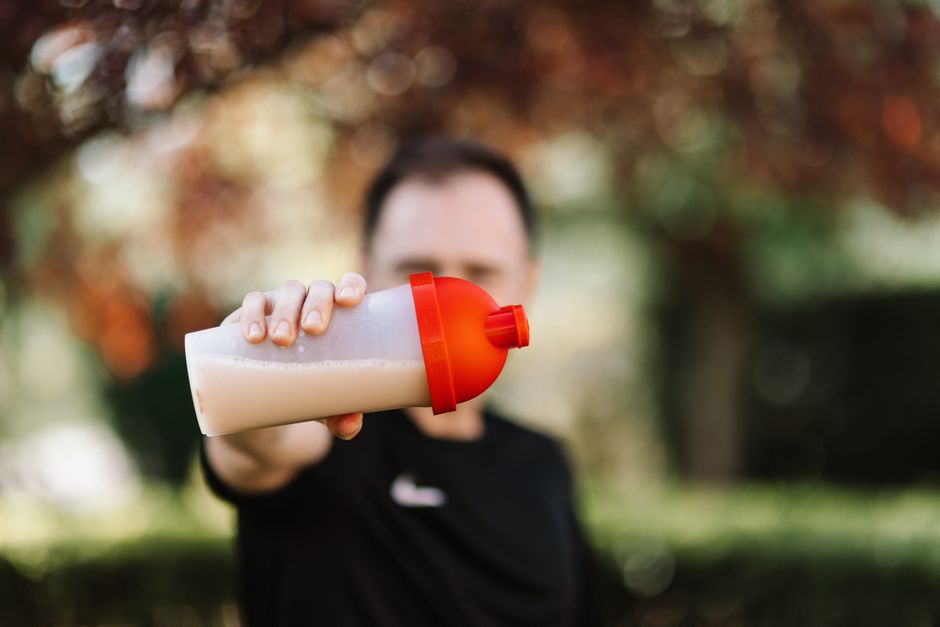
Whey protein is a fast-digesting protein powder made from milk. When you use it matters less than whether you get enough protein across the whole day. Most people hit their daily protein target more easily by spreading it across meals, and whey can fit into that pattern at breakfast, after a workout, or both. There is no single “best” time that applies to everyone.
If you train in the morning, taking whey after that session is a reasonable choice. If you train later, having it at breakfast still helps you reach your daily protein goal. The decision comes down to your schedule, your total protein intake, and what you ate before and after training.
When To Use Whey Protein Morning Post Workout More?
Use whey in the morning after a workout when that workout happens early and you have not eaten a protein-containing meal beforehand. Use it at breakfast on rest days or before an afternoon workout when your morning meal would otherwise be low in protein.
The two situations are not really in competition. Both serve the same underlying goal: getting enough total protein into your day and distributing it across meals rather than cramming it all into dinner.
Here is the practical breakdown:
- Early morning workout, no breakfast: Whey after training makes sense. You have gone hours without protein overnight, and a fast-digesting source helps you refuel.
- Early morning workout, ate breakfast first: Whey after training is optional. Your pre-workout meal already provided amino acids.
- Afternoon or evening workout: Morning whey is fine as a breakfast protein source. Save the post-workout shake for after you train.
- Rest day: Morning whey can help you meet your daily protein target if breakfast is otherwise low in protein.
What most people get wrong is treating timing as the main variable. Total daily protein intake matters far more than the exact minute you drink a shake.
Does Protein Timing Actually Matter After a Workout?
The “anabolic window” idea — that you must consume protein within a narrow window right after training or lose your gains — has been overstated in popular fitness culture. Research on protein timing suggests the window is much wider than once believed, especially for people who ate protein earlier in the day.
Muscle protein synthesis, the process by which your body builds muscle tissue, does rise after resistance training. But it stays elevated for many hours, not just 30 to 60 minutes. If you ate a protein-containing meal within a few hours before training, your body is still processing those amino acids during and after your workout.
Some research indicates that the total amount of protein you eat across the day, and how evenly you spread it, has a larger effect on muscle building than precise post-workout timing. This is especially true for people who are not training fasted.
That said, there is a genuine case for post-workout protein in specific situations. If you trained fasted — meaning no protein for many hours before exercise — getting protein in soon after makes more sense. The same applies if your next meal is several hours away.
Why Morning Protein May Deserve More Attention Than Post-Workout Timing
Most people eating a typical Western diet get very little protein at breakfast and a large amount at dinner. Some research suggests that spreading protein more evenly across meals may support muscle maintenance better than concentrating it in one meal.
This matters more as you age. Muscle mass naturally declines with age, a process called sarcopenia. Getting adequate protein at each meal — including breakfast — is one dietary strategy that some research supports for helping preserve muscle. The evidence is not conclusive on the ideal distribution, but the pattern of back-loading protein to dinner is common and probably not ideal.
A morning whey shake is a simple way to raise the protein content of breakfast. If your usual morning meal is toast and coffee, adding whey moves you meaningfully closer to a protein intake that supports muscle maintenance.
This is the non-obvious point: for many people, morning whey is less about post-workout recovery and more about fixing a chronically low-protein breakfast.
How Much Protein Do You Actually Need?
The general adult recommendation for protein is roughly 0.8 grams per kilogram of body weight per day — the amount needed to prevent deficiency in mostly sedentary adults. That is the established dietary reference intake.
People who exercise regularly, especially those doing resistance training, often need more. Some research and sports nutrition guidance suggests intakes in the range of 1.2 to 2.0 grams per kilogram per day for active adults, though the exact figure depends on training intensity, goals, and age. Older adults may also benefit from intakes above the basic 0.8 g/kg baseline to help preserve muscle.
For a person weighing 70 kilograms (about 154 pounds), 0.8 g/kg works out to 56 grams per day. At 1.6 g/kg, that would be about 112 grams per day. These numbers are illustrative — your own target depends on your body weight and activity.
One scoop of whey protein typically provides around 20 to 25 grams of protein, though this varies by brand. Check the label rather than assuming.
If you already reach your daily protein target through food, a whey shake after a morning workout adds calories and protein you may not need. It is not harmful, but it is not magic either.
Morning Whey vs Post-Workout Whey: What the Difference Really Is
For most people training in the morning, these two are the same thing. The distinction only matters when your workout is not in the morning.
Here is how the choice plays out:
| Situation | Morning whey makes sense | Post-workout whey makes sense |
|---|---|---|
| Early morning training, no breakfast | Yes — it is your post-workout shake | Yes — same thing |
| Early morning training, ate breakfast | Optional | Optional |
| Afternoon or evening training | Yes, as a breakfast protein source | Yes, after training |
| Rest day | Yes, to support daily protein intake | No workout to recover from |
The table makes the point clear: morning whey and post-workout whey overlap heavily for early trainers. For later trainers, they serve different purposes.
Who Should Be Cautious With Whey Protein?
Whey is a milk protein, so anyone with a milk allergy should avoid it. This is different from lactose intolerance. Whey protein isolate contains very little lactose, so some people with lactose intolerance tolerate it, but this varies and is not guaranteed.
People with kidney disease should talk to their doctor before increasing protein intake, including from supplements. Higher protein intakes can place additional load on the kidneys, and dietary protein recommendations for people with kidney disease are typically set by a clinician.
Whey protein supplements are not regulated the same way as medications in the United States. Third-party testing programs exist, but not all products participate. If you use whey regularly, choosing a product that has been independently tested for content and contaminants is a reasonable precaution.
Whey is generally recognized as safe for healthy adults when used as directed. That is a statement about safety, not a claim that it provides benefits beyond the protein it contains.
Does Whey Beat Whole Food Protein?
No. Whey is convenient and fast-digesting, but it does not build more muscle than an equivalent amount of protein from food. Whole food sources like eggs, dairy, meat, fish, and legumes provide protein along with other nutrients.
Whey’s advantages are practical: it is quick, portable, and easy to consume when you are not hungry or in a hurry after training. Those are real advantages, not nutritional ones.
If you can eat a protein-rich meal after your morning workout, that works just as well. Whey is a tool for hitting your protein target, not a superior source of protein.
Frequently Asked Questions
Should I take whey protein before or after a morning workout?
After is the more common choice, especially if you trained without eating. If you ate a protein-containing breakfast before training, either timing works and total daily protein matters more.
Is it better to drink whey protein in the morning or at night?
There is no strong evidence that one is clearly better. Morning whey helps if your breakfast is low in protein, while evening use may suit people whose workouts or meals fall later in the day.
Can I take whey protein on rest days?
Yes, whey can help you meet your daily protein target on rest days. Muscle maintenance and repair continue even when you are not training.
How much whey protein should I take after a workout?
A typical serving provides around 20 to 25 grams of protein, which fits common post-workout protein recommendations. Your total daily intake matters more than any single serving.
