
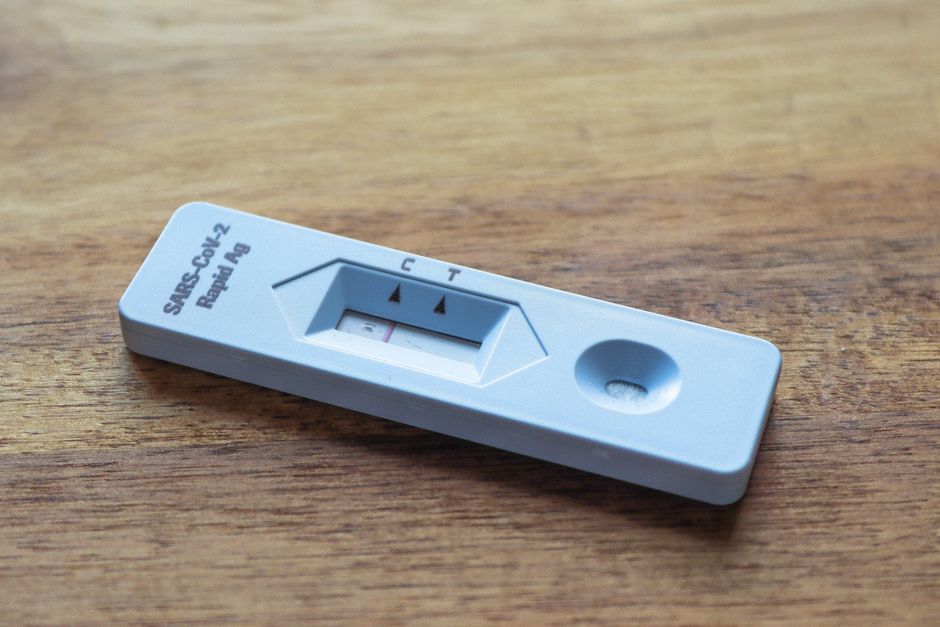
If you have symptoms that feel like a cold or flu, the best time to test for COVID-19 is right away. If you were exposed to someone with COVID-19 but feel fine, wait about five full days after that exposure before testing. Testing too early — especially in the first day or two after exposure — can give you a negative result even when you are actually infected.
Those two situations cover most people. But the details matter, and they change depending on whether you have symptoms, whether you had close contact with a sick person, and what kind of test you use. Here is what the evidence actually supports.
When To Test For Covid If You Have Symptoms
Test immediately. Do not wait to see if symptoms get worse.
COVID-19 symptoms overlap heavily with common colds, flu, RSV, and allergies. A sore throat, runny nose, cough, headache, or fatigue on its own tells you very little about which virus you have. The only way to know is to test.
If your first test is negative but you still feel sick, test again 24 to 48 hours later. Early in an infection, the amount of virus in your nose and throat may be too low for a test to detect. A second test a day or two later catches many of these early misses.
This is one of the most misunderstood points about rapid tests. A negative result is not a permanent answer. It is a snapshot of one moment.
When To Test After Covid Exposure With No Symptoms
Wait about five days after your last close contact with the infected person, then test.
The reason comes down to biology. After the virus enters your body, it needs time to multiply before there is enough of it for a test to detect. That window is often called the incubation period. For the virus that causes COVID-19, symptoms typically appear somewhere between two and fourteen days after exposure, though most people who develop symptoms do so within about five to six days.
Testing on day one or two after exposure usually tells you nothing useful. If you test negative then, you cannot conclude you are in the clear.
If you want to be thorough, test again one to two days after that first test. Some people never develop symptoms but can still carry and spread the virus.
Which Type of Test Should You Use?
Two main categories of tests are widely available, and they answer slightly different questions.
- Rapid antigen tests detect proteins from the virus. They are fast, inexpensive, and can be done at home. They tend to be less sensitive than lab tests, meaning they can miss low levels of virus, especially early on.
- PCR (molecular) tests detect the virus’s genetic material. They are more sensitive and can pick up an infection earlier. Results take longer because most are processed in a lab.
For a person with clear symptoms, a rapid antigen test is a reasonable first step. A positive result is generally trustworthy — false positives are uncommon. A negative result is less reliable, which is why repeat testing matters.
PCR testing is often preferred when you need a definitive answer, when symptoms are mild or ambiguous, or when a rapid test is negative but suspicion remains high. Some clinicians also use PCR to confirm a negative antigen result in someone with strong exposure risk.
How Accurate Are Home Tests, and When Do They Miss Infections?
Home antigen tests are most accurate when the virus is at its peak. That usually lines up with the first several days of symptoms, when viral levels tend to be highest.
Accuracy drops in two situations:
- Very early in an infection, before viral levels rise
- Late in an infection, after viral levels fall
This is why the timing advice matters so much. A test taken too early can miss an infection that a test taken two days later would catch.
One practical takeaway: if you have symptoms and test negative, do not assume you are fine. Isolate if you feel unwell, and retest in a day or two. Some evidence suggests that repeating a rapid test 48 hours after a negative result improves detection meaningfully.
Do You Still Need to Test If You Feel Fine?
Testing without symptoms is most useful in specific situations.
If you were exposed to someone with COVID-19, testing around day five helps you find an infection before you pass it to others. This matters most if you plan to be around people at higher risk — older adults, people with weakened immune systems, or those with conditions like heart or lung disease.
If you are visiting someone vulnerable, or attending a gathering where spread is a concern, a test shortly before can reduce the chance you bring the virus with you. It is not a guarantee, since a test only reflects one moment in time.
Routine testing of healthy people with no exposure and no symptoms has limited value. The evidence does not support it as a general habit for most people.
What Should You Do After a Positive Test?
A positive result means you are infected and can spread the virus to others. Stay home and away from other people as much as you can.
Current public health guidance has shifted over time, and recommendations on how long to isolate have been updated by health agencies more than once. Because these guidelines change, check the latest guidance from a public health authority rather than relying on older advice.
If you are at higher risk of severe illness, contact a healthcare provider promptly. Some treatments work best when started early, and a provider can tell you whether you qualify.
Seek emergency care for warning signs such as trouble breathing, persistent chest pain, confusion, or bluish lips or face. These are not routine symptoms and should not wait.
Common Mistakes People Make With Covid Testing
Most testing errors come down to timing and interpretation, not the test itself.
- Testing the day after exposure and trusting a negative result
- Taking one test with symptoms and stopping there
- Assuming a negative rapid test rules out infection
- Swabbing too gently or too shallowly, which can reduce accuracy
- Using an expired test kit
The single most common mistake is treating one negative result as final. If you have symptoms or a known exposure, a single negative test rarely settles the question.
How Long Are You Contagious, and Does Testing Tell You?
Testing shows whether the virus is present, not whether you are still contagious.
People with COVID-19 are generally most contagious in the first few days of illness, around the time symptoms start. Contagiousness tends to decline over the following days, but the exact timeline varies from person to person.
A positive test does not tell you how contagious you are. A negative test does not prove you are not contagious either, especially if it was taken early or the swab was imperfect.
Frequently Asked Questions
How soon after exposure should I test for COVID?
Wait about five full days after your last close contact with an infected person, then test. Testing sooner often gives a false negative because viral levels may still be too low to detect.
Can I test negative and still have COVID?
Yes. A negative test, especially a rapid antigen test taken early, does not rule out infection. If you have symptoms, retest 24 to 48 hours later.
Should I test if I have no symptoms and no exposure?
Routine testing of healthy people with no symptoms and no known exposure has limited value. Testing is most useful after an exposure or before contact with someone at higher risk.
How accurate are rapid home tests?
Rapid antigen tests are most accurate when viral levels are highest, usually early in symptomatic illness. They can miss infections when used too early or too late.
