
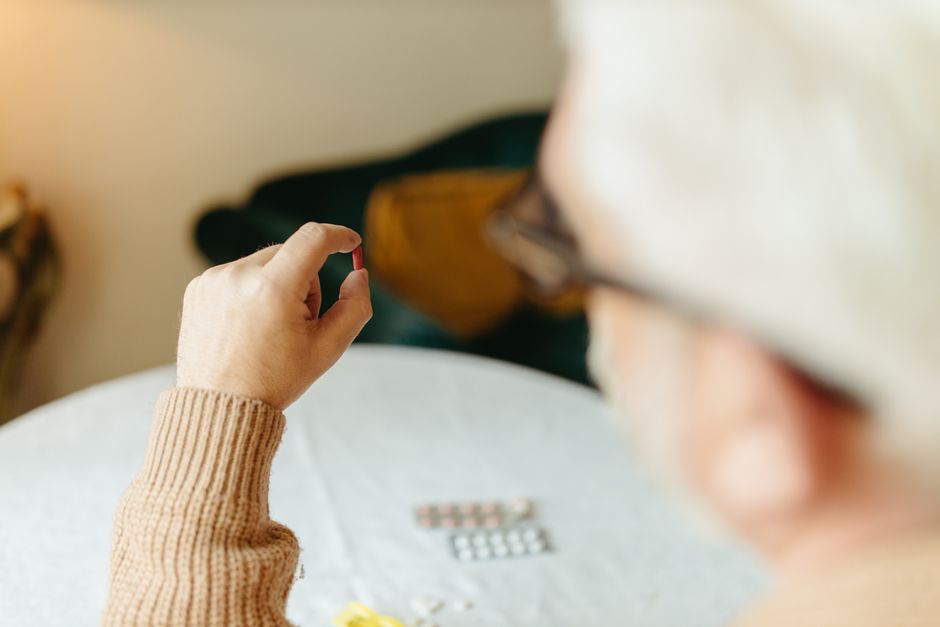
Statin timing comes down to one simple rule: take your statin at the time your prescriber told you to, and take it the same way every day. Most statins can be taken in the morning or the evening, with or without food. The main exception is immediate-release simvastatin, which works best taken in the evening because your body makes most of its cholesterol overnight.
If you have ever stood at your kitchen counter wondering whether your statin belongs next to your coffee or your toothbrush, you are not alone. The answer depends less on the clock and more on which statin you take.
When To Take Statins Morning Evening Or With Food?
Take most statins at whatever time of day fits your routine, with or without food. Timing matters for only a few specific statins, and even then the difference is modest compared with simply taking your dose consistently.
The reason timing matters at all comes down to how your body makes cholesterol. The liver produces the majority of the cholesterol circulating in your blood, and that production follows a daily rhythm. It ramps up at night while you sleep. Statins work by blocking an enzyme called HMG-CoA reductase, which is a key step in cholesterol production.
How long a statin stays active in your body determines whether that overnight rhythm matters.
- Short-acting statins — immediate-release simvastatin and lovastatin — are cleared from the body relatively quickly. Their peak effect lasts only a few hours. Taking them in the evening lines up that window with the overnight surge in cholesterol production.
- Long-acting statins — atorvastatin, rosuvastatin, and pitavastatin — stay active for a day or longer. Their effect covers the overnight window no matter when you take them.
- Extended-release formulations of simvastatin and lovastatin are designed to release slowly and are typically taken in the evening.
Food has a smaller effect than most people assume. Some statins are absorbed slightly better with a meal, and others are not affected at all. For lovastatin, taking it with food improves absorption. For most others, the difference is small enough that consistency matters more than the meal itself.
One detail worth knowing: grapefruit and grapefruit juice can interfere with how the body breaks down certain statins, including simvastatin, atorvastatin, and lovastatin. This interaction can raise drug levels in the blood. If you take one of these statins, ask your pharmacist whether grapefruit is safe for you.
Which Statins Need To Be Taken At Night?
Immediate-release simvastatin is the clearest example of a statin that should be taken in the evening. Lovastatin, which is short-acting, is also generally taken in the evening for the same reason.
Both drugs have a short half-life, meaning the amount of active drug in your bloodstream drops substantially within hours. If you take either one in the morning, much of its effect may wear off before your liver shifts into its overnight cholesterol-producing mode.
Everything else on the common statin list can be taken at any time of day. Atorvastatin has a long half-life and stays active well over a full day. Rosuvastatin has an even longer duration. Pitavastatin also stays active long enough that morning dosing works just as well as evening dosing.
If you take a long-acting statin and your prescriber has not specified a time, pick whatever time you will remember. A statin taken reliably at 8 a.m. does more for your cholesterol than one taken inconsistently at bedtime.
Does It Matter If You Take Your Statin With Food?
For most statins, food makes little difference. You can take them on an empty stomach or with a meal without meaningfully changing how well they work.
Lovastatin is the exception. Taking it with food improves how much of the drug your body absorbs, so it is usually taken with a meal. Some extended-release forms also come with specific instructions about food, which your pharmacist can confirm.
If a statin upsets your stomach, taking it with food is a reasonable step that some clinicians suggest. This is a practical measure rather than a rule backed by strong trial evidence. The bigger issue is not food but consistency — a statin taken at random times or skipped frequently does not lower cholesterol the way it should.
One more food note. Grapefruit interacts with several statins by blocking an enzyme in the gut and liver called CYP3A4. When that enzyme is blocked, more of the drug stays in your bloodstream than intended. This interaction is well documented and can increase the risk of muscle-related side effects. It is not a reason to avoid these statins entirely, but it is worth a conversation with your pharmacist.





What Happens If You Miss A Dose Or Take It At The Wrong Time?
If you miss a dose, take it as soon as you remember — unless it is almost time for your next dose. In that case, skip the missed dose and continue with your normal schedule. Do not take two doses to make up for one you missed.
If you normally take your statin at night and accidentally take it in the morning, do not panic. For long-acting statins, the difference is minimal. For immediate-release simvastatin or lovastatin, one mistimed dose is not dangerous, but try to get back on schedule the next day.
Do not stop taking your statin on your own. Statins lower LDL cholesterol, and that effect depends on continued use. Cholesterol levels can rise again within weeks of stopping. If you are having side effects or want to change your dose or timing, talk to your prescriber first.
Muscle aches are the side effect people ask about most. Some people taking statins report muscle pain, though research suggests that in many blinded trials the rate of muscle symptoms is similar between statin and placebo groups. This does not mean the symptoms are not real for the people who have them. It means the picture is more complicated than simple cause and effect, and it is worth discussing with your clinician rather than stopping abruptly.
Why Consistency Matters More Than The Clock
Taking your statin at the same time every day is the single most useful habit you can build. The specific hour matters far less than whether you actually take it.
Statins work by keeping a steady level of drug in your body. When you take them regularly, that level stays stable and cholesterol production stays suppressed. When you take them sporadically, the drug level rises and falls, and the cholesterol-lowering effect weakens.
This is why the best time to take a statin is the time you will not forget. For some people that is with breakfast. For others it is with dinner or right before bed. Pairing the dose with an existing habit — brushing your teeth, taking other medications, or a nightly routine — makes it easier to remember.
If you use a pill organizer or a phone reminder, use it. These simple tools do more for cholesterol control than agonizing over morning versus evening.
Do You Need To Change Your Timing?
Most people do not need to change their statin timing once they have a routine that works. If your cholesterol is responding well and you are not having side effects, there is usually no reason to switch.
There are a few situations where timing is worth revisiting with your prescriber:
- You take immediate-release simvastatin or lovastatin in the morning and have not discussed timing.
- You take your statin with grapefruit juice or a grapefruit-heavy diet.
- You keep missing doses because your current time does not fit your day.
- You are having muscle symptoms and want to explore whether dose or timing changes help.
Do not make these changes on your own. Your prescriber knows your full medication list and health history, and some statins interact with other drugs in ways that affect timing and dose.
Frequently Asked Questions
Can I take atorvastatin in the morning instead of at night?
Yes. Atorvastatin has a long half-life, so it stays active in your body for well over a day and works the same whether you take it in the morning or at night. Pick one time and stick with it.
Should simvastatin always be taken at night?
Immediate-release simvastatin is generally taken in the evening because it is short-acting and your liver makes most of its cholesterol overnight. If you take a different form or a different statin, evening dosing may not be necessary.
Can I take my statin on an empty stomach?
For most statins, yes. Food has little effect on absorption for atorvastatin, rosuvastatin, and several others. Lovastatin is the main exception and is usually taken with a meal.
What should I do if I forget my statin dose?
Take it as soon as you remember unless your next dose is close. If it is almost time for the next dose, skip the missed one and continue your normal schedule — never double up.
