
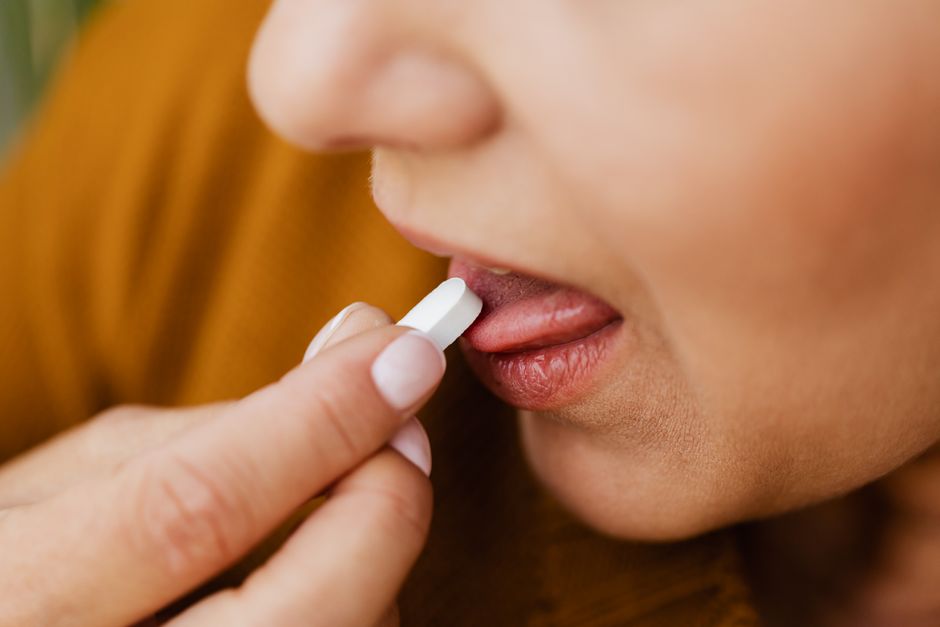
Paxlovid is an antiviral medicine for COVID-19, and timing is the single most important factor in whether it helps. Treatment works best when started within 5 days of your first symptoms. If you wait too long, the window closes and the drug is not recommended for most people.
The medicine is taken twice a day for 5 days. It is not a treatment you start weeks into an illness, and it is not for everyone who tests positive. Whether you qualify depends on your risk of severe disease and how long you have been sick.
When To Take Paxlovid: The 5-Day Window Explained
Paxlovid should be started as soon as possible after symptoms begin, and no later than 5 days after they start. Day 1 is the day your symptoms first appear. If your first symptom was on a Monday, the last day to start is Friday.
The reason comes down to how the virus behaves. SARS-CoV-2 multiplies rapidly in the first few days of infection. This is when viral levels in your body are climbing and your immune system has not yet built a full response. An antiviral drug works by blocking the virus from copying itself. If you give it during that early ramp-up, you can slow the virus down and reduce how sick you get.
By day 6 and beyond, viral replication is usually falling on its own, and the damage driving severe illness is increasingly caused by the immune response rather than the virus itself. An antiviral aimed at viral replication has less to work with. This is why the drug is not recommended outside the 5-day window in people with mild-to-moderate illness.
One detail that trips people up: the clock starts at your first symptom, not at your positive test. If you felt sick on Monday but did not test until Wednesday, Monday is still day 1.
What Are the Symptoms That Should Start the Clock?
Any new COVID-19 symptom that you can clearly date should start the 5-day countdown. Common early symptoms include sore throat, cough, runny nose, headache, fatigue, muscle aches, and fever.
Some people have symptoms so mild they barely notice them. Others have a clear moment when they feel unwell. Try to identify the first day you noticed anything different. If you genuinely cannot pin down a start date, tell your clinician — they may still consider treatment, but the timing becomes a judgment call.
Testing positive without any symptoms is a different situation. In people with no symptoms, the evidence for Paxlovid is weaker, and guidance on whether to treat is less clear-cut. Some clinicians treat high-risk patients who test positive but feel fine. Others do not. This is a genuine area of uncertainty, and it is worth discussing with a doctor rather than deciding on your own.
Who Is Paxlovid Actually For?
Paxlovid is intended for people with COVID-19 who are at higher risk of progressing to severe disease. Risk is not the same for everyone, and it is not only about age.
Groups at higher risk of severe COVID-19 include older adults, people who are immunocompromised, and those with certain underlying conditions. Conditions that raise risk include chronic lung disease, serious heart conditions, diabetes, obesity, chronic kidney disease, and several others. The exact list matters less than the principle: the drug is meant for people more likely to end up hospitalized or worse.
For a healthy younger adult with mild symptoms, the benefit is small. That is not a statement that the drug does nothing. It is that the absolute risk of severe illness in this group is already low, so there is little room for the drug to lower it further. In people at low risk, the balance between benefit and side effects tips toward not treating.
Age is a strong factor. Risk of severe outcomes rises steadily with age, and the threshold where treatment clearly helps shifts downward as people get older. A clinician weighs your specific situation rather than applying one cutoff to everyone.
-
 EyeFortin Reviews 2026: Clear Vision Or A marketing Scam?
-
Mounjaboost Reviews & Complaints: Does Drops Work for Weight Loss?
-
Yu Sleep Weight Loss Supplement Reviews. Critical March 2026 Update.
-
Neuro Energizer Review 2026. Legit Brain Tool or Just Hype?
-
Acupuncture for Weight Loss: Does It Really Work?





Why the Timing Rule Is Not a Suggestion
The 5-day limit is baked into how the drug was studied and how it is authorized. Clinical trials that showed a benefit enrolled people within 5 days of symptom onset. That is the population where the evidence exists. Outside that window, the trials did not demonstrate the same benefit.
This matters because it is easy to assume a drug that helps early will also help later. That assumption is often wrong. Antivirals for other infections, such as influenza, follow the same pattern — they work best when started early and lose value as time passes.
There is an important caveat. For people who are severely immunocompromised, viral shedding can last much longer, and the usual 5-day logic may not apply in the same way. Some clinicians extend treatment or use other approaches in these patients. This is not standard for the general population, and it should be decided by a specialist who knows the patient’s immune status.
How Do You Get Paxlovid in Time?
Speed depends on acting quickly once symptoms start. The biggest barrier is often delay — waiting to see if you get better, or waiting days to contact a clinician.
Practical steps that help:
- Test as soon as you have symptoms, especially if you are in a higher-risk group.
- Contact a clinician or telehealth service the same day you test positive if you think you may qualify.
- Have your medication list and health conditions ready, because Paxlovid interacts with many common drugs.
- Ask about pharmacy availability, since supply and access can vary by location.
Paxlovid is available by prescription. In the United States, it can be prescribed by a doctor, and in many cases through telehealth or a pharmacist under specific conditions. Because of drug interactions, a clinician needs to review what you already take before prescribing.
What About Drug Interactions and Side Effects?
Paxlovid interacts with a long list of medications, and this is a real safety issue, not a minor footnote. It can raise or lower levels of other drugs in ways that matter.
Common interacting medicines include certain blood thinners, some heart medications, some seizure medications, certain immunosuppressants, and several others. In some cases the interacting drug must be paused or the dose adjusted. In other cases Paxlovid is not the right choice at all. This is why a full medication review is part of getting the drug.
Common side effects include a metallic taste in the mouth, diarrhea, nausea, and muscle aches. The taste issue is frequently reported and is usually temporary. More serious problems are uncommon but possible, and anyone with significant kidney or liver disease needs special consideration because dosing may change or the drug may not be appropriate.
One more point people ask about: a rebound of symptoms or a positive test after finishing Paxlovid can happen. Rebound has also been reported in people who never took the drug. Current evidence does not show that rebound makes the illness more severe in most people, and it does not change the recommendation to treat those who qualify.
Does Paxlovid Replace Vaccination?
No. Paxlovid is a treatment for people who already have COVID-19. Vaccination reduces the chance of getting infected and, more importantly, the chance of severe illness if you do. The two play different roles.
Treatment and prevention are not competing strategies. Someone who is vaccinated can still get COVID-19 and may still qualify for Paxlovid if they are at higher risk. Being vaccinated does not remove the option of treatment, and being treated does not undo the value of vaccination.
Frequently Asked Questions
How many days after symptoms can you take Paxlovid?
Paxlovid should be started within 5 days of your first symptom. Day 1 is the day symptoms begin, so the last day to start is day 5.
Can you take Paxlovid after 5 days?
It is not recommended for most people after the 5-day window because the trials that showed benefit enrolled patients within that period. Some severely immunocompromised patients may be treated differently, but that decision belongs to a specialist.
Does the 5-day clock start at symptoms or a positive test?
The clock starts at your first symptom, not the day you tested positive. If you felt sick before testing, that earlier date is day 1.
Can you take Paxlovid if you have no symptoms?
The evidence is weaker in people without symptoms, and guidance is not clear-cut. Some clinicians treat high-risk patients who test positive but feel fine, so this is worth discussing with a doctor.
