
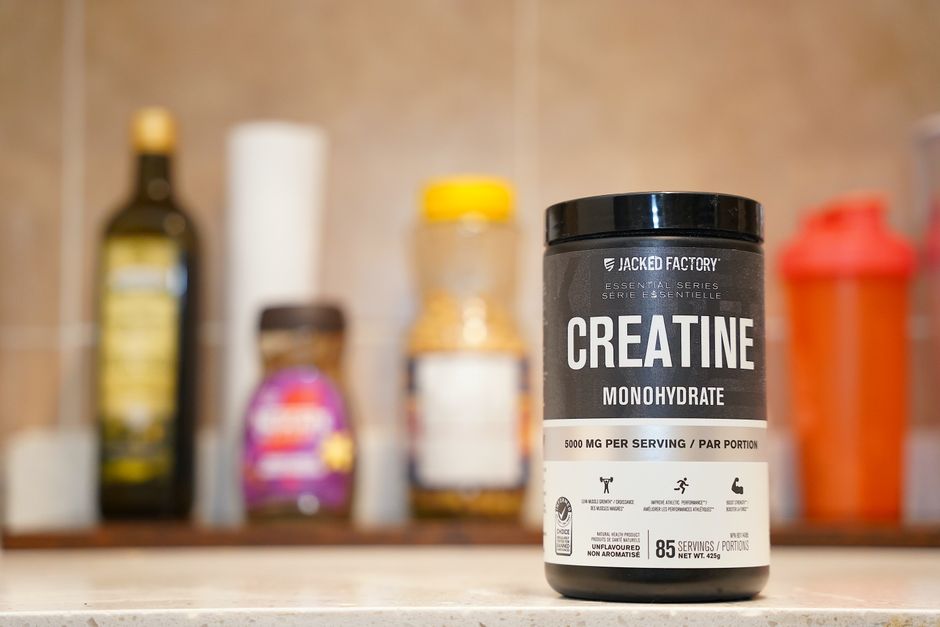
Creatine monohydrate is one of the most studied supplements in sports nutrition, and the timing question has a clear answer. For most people, taking 3-5 grams daily, at any consistent time of day, builds muscle creatine stores to saturation within 3-4 weeks. The specific hour matters far less than daily consistency. However, research does show that taking creatine near your workout — either before or after — may offer a slight edge for performance and muscle gains compared to taking it at a completely random time.
What Is Creatine Monohydrate and How Does It Work?
Creatine is a compound your body naturally produces from amino acids. About 95% of it is stored in skeletal muscle as phosphocreatine. During short, intense efforts — like sprinting, heavy lifting, or high-intensity intervals — your body rapidly converts phosphocreatine into ATP, the immediate energy currency of cells.
Supplementing with creatine monohydrate increases the amount of phosphocreatine stored in muscle. More stored phosphocreatine means you can sustain high-intensity work for a few extra seconds, which translates to one or two extra reps per set. Over weeks and months, that small additional volume of work stimulates greater muscle growth and strength gains.
Creatine monohydrate is the most researched form of creatine. Hundreds of studies have examined it, and it remains the standard against which other forms are compared. It is also the most cost-effective form, with the most consistent evidence for safety and effectiveness.
When To Take Creatine Monohydrate: The Core Timing Question
The single most important factor in creatine timing is simply taking it every day. Missing doses delays saturation. Missing many doses prevents saturation entirely. If you take creatine inconsistently, muscle stores never reach peak levels, and you will not experience the full performance benefits.
Once daily intake is consistent, evidence points to a small advantage for taking creatine near your workout. Some studies suggest that taking creatine after exercise may be slightly more effective for muscle growth than taking it before. The difference is modest but measurable. Other research finds no meaningful difference between pre- and post-workout timing.
If you train in the evening, taking creatine with your post-workout meal or shake is a reasonable approach. If you train in the morning, taking it with breakfast works equally well. The key is pairing creatine with a meal or shake that contains some carbohydrates or protein.
Does Creatine Timing Matter for Loading Phase?
A loading phase is optional. It involves taking 20 grams daily for 5-7 days, usually split into four 5-gram doses, to saturate muscle stores quickly. After loading, a maintenance dose of 3-5 grams daily preserves saturation.
During a loading phase, timing matters more than during maintenance. Spreading the 20 grams across the day in four separate doses minimizes the chance of stomach upset and maximizes absorption. Taking all 20 grams at once can cause gastrointestinal discomfort in some people.
Skipping the loading phase entirely is also effective. Taking 3-5 grams daily without loading reaches the same saturation level in about 3-4 weeks. The performance benefits appear later, but the end result is the same.





Does Pre-Workout or Post-Workout Creatine Work Better?
Research comparing pre- and post-workout creatine intake has produced conflicting results. Some studies report greater muscle mass and strength gains with post-workout creatine. Others find no difference between the two. A few suggest pre-workout timing may be superior for performance during the session itself.
The practical difference is likely small. For most people, the best choice is the timing that fits their routine and ensures they never miss a dose. If you have a favorite post-workout shake, add creatine to it. If you prefer a pre-workout ritual, mix it into your pre-workout drink.
One consideration is insulin. Creatine uptake into muscle cells is enhanced by insulin, which rises after meals. Taking creatine with a meal or a shake containing carbohydrates and protein may slightly improve muscle creatine retention compared to taking it on an empty stomach.
Is There a Best Time of Day for Creatine?
No research has identified a specific time of day that is superior for creatine supplementation. Morning, afternoon, and evening doses all produce the same saturation levels when taken consistently. Hormonal rhythms do not appear to meaningfully affect creatine uptake or retention.
The one exception is sleep. Creatine is not a stimulant, and taking it at night does not interfere with sleep quality. However, taking a large dose of creatine powder with too little water can cause mild dehydration or stomach discomfort, which could disrupt sleep if it wakes you up.
Consistency beats timing every time. A person who takes creatine at 7 AM daily gets better results than someone who takes it at the “ideal” time only three days per week. Choose a time you will remember, and stick with it.
What About Creatine on Rest Days?
Take creatine on rest days too. Muscle creatine stores need daily maintenance, regardless of whether you trained that day. Skipping creatine on rest days is one of the most common mistakes people make.
Rest days do not require special timing. Taking creatine with any meal works fine. Some people prefer to take it with breakfast on rest days so they do not forget. Others take it with their largest meal of the day.
The daily requirement does not change on rest days. The same 3-5 gram maintenance dose applies every day of the week, including training days, rest days, and even vacation days if you want to maintain saturation.
How Long Until Creatine Starts Working?
With a loading phase, performance benefits typically appear within the first week. Muscle creatine stores reach saturation in 5-7 days, and most people notice improved strength and endurance shortly after.
Without a loading phase, benefits appear gradually over 3-4 weeks as muscle stores slowly climb to saturation. Many people do not notice a sudden change. Instead, they realize after a month that their last few reps feel easier or that they added weight to the bar.
Some people perceive benefits sooner than others. Individual variation exists in baseline muscle creatine levels, diet, and training status. Vegetarians and vegans, who get no creatine from animal foods, often see larger responses to supplementation because their starting stores are lower.
How Much Creatine Should You Take?
The standard maintenance dose is 3-5 grams per day. This amount is supported by decades of research and is sufficient to maintain saturated muscle stores in adults of average body size.
Larger individuals may benefit from doses at the higher end of that range. Some research suggests a dose of roughly 0.03 grams per kilogram of body weight per day for maintenance. For a 90 kg person, that would be about 2.7 grams daily, which falls within the standard range.
No clinical guidelines currently exist for creatine supplementation in adolescents, pregnant women, or nursing mothers. The research base in these populations is limited, and supplementation in these groups should only occur under medical supervision, if at all.
Does Taking Creatine With Food Matter?
Taking creatine with food may improve absorption. Insulin, released when you eat carbohydrates or protein, enhances creatine uptake into muscle cells. Some research suggests that combining creatine with a carbohydrate-containing drink increases muscle creatine retention compared to creatine alone.
The effect is modest. Creatine is absorbed well on an empty stomach for most people. The practical benefit of taking it with food is that it may reduce the risk of stomach discomfort and creates a consistent daily habit.
Mixing creatine powder into warm liquid is not recommended. Heat can degrade creatine into creatinine, an inactive breakdown product. Room temperature or cold liquids are fine.
Frequently Asked Questions
Should I take creatine before or after my workout?
Both work, but some research suggests post-workout creatine may be slightly better for muscle growth. The difference is small, so choose whichever timing you can maintain consistently.
How long does creatine take to work?
With a loading phase, benefits appear within 5-7 days. Without loading, expect noticeable effects after 3-4 weeks of daily use.
Do I need to take creatine on rest days?
Yes. Daily intake maintains saturated muscle stores, and skipping doses on rest days delays or reduces the benefits.
Can I take creatine with coffee or tea?
Yes, but caffeine may slightly reduce the ergogenic effects of creatine in some individuals. Taking them together is safe, and the interaction is minor for most people.
