
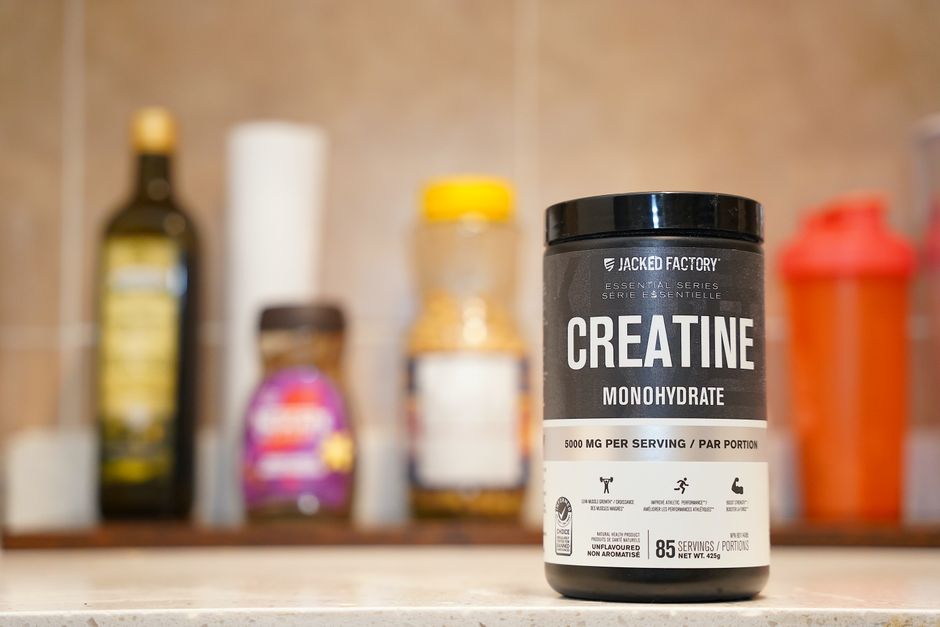
There is no special time of day that makes creatine work better for your brain. What matters is taking it consistently, at whatever time you will actually remember. The bigger question is whether creatine helps brain health at all — and there the evidence is more limited than the supplement aisle suggests.
Creatine has decades of research behind it for muscle and athletic performance. The brain story is newer and less settled. Here is what the science actually shows, and where the honest gaps are.
Does Creatine Actually Support Brain Health?
The evidence is promising in some areas and thin in others. It is not the slam dunk that muscle research is.
Creatine’s core job in the body is to help regenerate ATP, the basic energy currency of cells. Your brain uses a lot of energy and holds small reserves of creatine, so the biological reasoning for a brain benefit is sound. But biological plausibility is not the same as proven clinical benefit. That distinction matters here.
Some studies suggest creatine supplementation can affect brain creatine levels, and a body of research has looked at effects on memory and cognition. Results vary. Effects in healthy adults tend to be small or absent in some trials and modest in others. The picture is clearest in situations where brain energy is under stress — such as sleep deprivation — where some studies indicate a benefit. In well-rested healthy people, the case is much weaker.
Where the research is more serious is in certain neurological conditions. Creatine has been studied in animal models of neurodegenerative disease and in some human trials, but no large human trial has confirmed meaningful clinical benefit for conditions like Parkinson’s or Alzheimer’s disease. Anyone marketing creatine as protection against dementia is ahead of the evidence.
When to Take Creatine for Brain Health: Does Timing Matter?
Timing does not change how creatine works in your brain. Creatine works by building up and staying elevated in your tissues over time, not by producing a short-term spike you can schedule around.
This is the key point most timing advice misses. Unlike caffeine, which peaks in your bloodstream within roughly an hour and then fades, creatine accumulates. Your muscles and brain reach a new, higher steady level after consistent daily use over a period of weeks. Once you are at that level, the exact hour you take your dose makes little difference to the total amount in your body.
What does matter is adherence. The most reliable “best time” is the one you will not forget. For some people that is with breakfast. For others it is with an evening meal. Pick a slot that fits your routine and stay with it.
Some research has looked at whether taking creatine around exercise improves muscle uptake, and some studies suggest a small advantage to post-exercise timing for muscle outcomes. That research is about muscle, not the brain, and the effect is modest. There is no comparable evidence that any particular time of day benefits cognition.
How Long Does It Take to Affect the Brain?
Expect weeks, not hours. Brain creatine levels rise more slowly than muscle levels, and any cognitive effect would follow that buildup.
Muscle creatine stores typically rise noticeably within a few weeks of consistent daily supplementation. Brain levels appear to increase more gradually and to a smaller degree, based on what imaging studies have shown. This slower, smaller rise in the brain is one reason cognitive effects are harder to detect than physical ones.
If you are taking creatine hoping to feel sharper tomorrow, you are likely to be disappointed. The honest framing is that any brain-related benefit, if it exists for you, would build over weeks of steady use. There is no established timeline that applies to everyone, and no clinical guideline sets one for cognitive outcomes.
What Dose Is Used in Brain Research?
Most studies use the same daily doses used in muscle research: a maintenance dose in the range of 3 to 5 grams per day. Some brain studies have used higher doses, sometimes 10 to 20 grams per day, in an effort to raise brain creatine levels more.
Higher doses are not automatically better, and they can cause digestive discomfort in some people. The commonly studied maintenance range of 3 to 5 grams per day is well established for building and holding muscle creatine stores. Whether higher doses are needed for brain effects is not settled.
A “loading phase” — taking larger doses for several days to saturate stores faster — is a common practice for muscle goals. It is widely used and appears effective for raising muscle creatine. Whether loading offers any advantage for the brain is not established.
Who Might See a Brain Benefit — and Who Probably Won’t
The people most likely to notice a cognitive effect are those whose brains are under metabolic stress. Well-rested, healthy adults with normal diets are the least likely to see much.
Several factors affect your baseline creatine. People who eat little or no meat and fish tend to have lower baseline creatine stores, since dietary creatine comes mainly from animal foods. Some research suggests these individuals may respond more to supplementation. Older adults may also have lower baseline levels, and some studies have looked at creatine in aging populations, though results are mixed.
Situations where brain energy demand is high — sleep deprivation is the most studied — are where some trials show a signal. That does not mean creatine fixes sleep loss. It means the research there is more interesting than in rested populations.
- Lower baseline: vegetarians, vegans, and people who eat little animal protein
- Under stress: sleep-deprived individuals, based on some trials
- Older adults: possible but mixed evidence
- Well-rested omnivores: least likely to see a measurable effect
Is Creatine Safe to Take Daily?
Creatine is one of the most studied supplements available, and short- and longer-term use at standard doses has a good safety record in healthy adults. That is a genuinely strong evidence base, stronger than most supplements can claim.
The most common side effect is digestive upset, more often with larger or loading doses. Some people retain a little water weight early on. Claims that creatine harms the kidneys in healthy people are not supported by the research, though people with existing kidney disease should talk to a doctor before using it — this is a case where established caution applies.
One clarification worth making: the old idea that creatine is a “steroid” or damages the liver is a persistent myth with no good evidence behind it in healthy users. That said, long-term safety data beyond a few years is limited, and it has not been well studied in pregnancy or breastfeeding. No clinical guidelines currently exist for creatine use in those groups, so it should not be assumed safe there.
Should You Take It With Food or On an Empty Stomach?
Either works. Taking creatine with a meal may improve absorption slightly and tends to be easier on the stomach.
Some research suggests that pairing creatine with carbohydrates, and possibly protein, can increase muscle creatine uptake, likely through an insulin response. That finding comes from muscle research. Whether food pairing changes brain uptake is not established. If taking it with food helps you remember it and avoid stomach upset, that is reason enough.
The Bottom Line on Timing
Take creatine at a time you can stick to every day, at a standard dose, and give it weeks before judging any effect on your thinking. Do not expect a same-day boost.
The honest position on creatine and the brain is this: the biology is plausible, some studies show modest effects in specific situations, and the strong claims you see online are ahead of the evidence. It is a well-studied, generally safe supplement. Whether it sharpens your mind is far less certain than whether it helps your muscles.
Frequently Asked Questions
What is the best time of day to take creatine for brain health?
There is no best time of day — consistency matters far more than timing. Pick a slot you will remember and take it daily.
How long does creatine take to work for the brain?
Brain creatine levels rise gradually over weeks, more slowly than muscle levels. There is no established timeline for cognitive effects, so give it several weeks of daily use before judging.
Can I take creatine at night?
Yes. Taking it in the evening is fine and does not interfere with how it works. The key is taking it consistently.
Does creatine help with brain fog?
Some studies suggest a benefit in people under metabolic stress like sleep deprivation, but evidence in healthy adults is mixed. No large trial confirms creatine reliably clears brain fog.
