
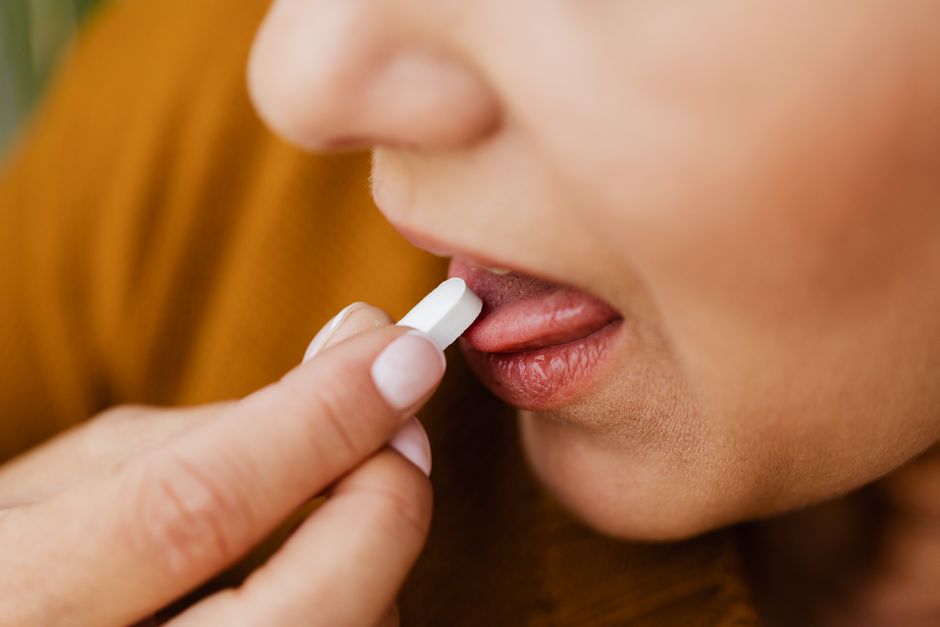
Bisacodyl is usually taken the day before your colonoscopy, often in the afternoon or early evening, and the exact timing depends on your doctor’s instructions and whether you are also using a liquid bowel prep. It is a stimulant laxative that helps empty the colon, and it is commonly used alongside a large-volume liquid preparation rather than on its own. Timing matters because the colon needs to be clear before the procedure, and taking the tablet too late can leave stool in the way.
This article explains how bisacodyl fits into a typical bowel prep, why the schedule is built the way it is, and what to do if you are unsure. It does not replace the written instructions from your gastroenterologist or the directions on your prescription.
When To Take Bisacodyl Before A Colonoscopy?
The most common instruction is to take bisacodyl tablets in the afternoon or early evening on the day before the procedure. Many prep kits pair the tablets with a split-dose liquid laxative, and the tablets are often scheduled several hours before the first liquid dose or between the two doses.
The reason for that timing comes down to how the drug works. Bisacodyl is a stimulant laxative. It triggers contractions in the large intestine and speeds up the movement of stool. It also affects the way the bowel lining handles water, which helps soften stool. These effects take time to develop after you swallow a tablet. It usually causes a bowel movement within several hours, though the exact timing varies from person to person. Taking it too close to the procedure risks having a bowel movement when you are already at the clinic or hospital.
Your specific schedule comes from your doctor, not from a general rule. Prep protocols differ by clinic, by the type of liquid laxative used, and by your medical history. Some protocols use bisacodyl tablets the day before. Others use them in the morning on the day of the procedure. Some do not use them at all.
Follow the written instructions you were given. If you lost them, call the office that scheduled your procedure before you start any prep.
Why Is Bisacodyl Used as Part of a Bowel Prep?
Bisacodyl is rarely the only thing you take before a colonoscopy. It is usually one piece of a larger preparation that includes a large-volume liquid laxative, a clear liquid diet, and sometimes other medications.
The liquid laxative does most of the work. It is designed to flush the colon with a large volume of fluid. Bisacodyl adds a different action. By stimulating the muscles of the colon, it helps move stool along so the liquid prep can clear it more effectively. Some research suggests that adding a stimulant laxative to a liquid prep can improve how clean the colon is, though results vary across studies and protocols.
Different clinics use different combinations. Some use bisacodyl tablets. Some use a different stimulant. Some rely on a high-volume liquid prep alone. There is no single standard that applies to everyone.
How Does Bisacodyl Fit Into a Split-Dose Prep Schedule?
Split-dose prep means you take part of the liquid laxative the evening before the procedure and the rest the morning of the procedure. This approach generally produces a cleaner colon than taking everything the night before, and it is widely used.
When bisacodyl is included, it is usually scheduled around this structure. A common pattern is a tablet or tablets in the afternoon or early evening on the day before, followed by the first liquid dose later that evening. The second liquid dose is taken the next morning, typically several hours before the procedure.
This is a general pattern, not a universal rule. Your instructions may place the tablets at a different point. Some protocols call for bisacodyl in the morning on the day of the procedure. Others place it earlier in the day before.
The key point is that the schedule is designed as a sequence. Each step depends on the one before it. Moving a dose earlier or later can change how well the prep works and how comfortable you are.
What Happens If You Take Bisacodyl Too Late or Too Early?
Taking bisacodyl too late is the more common problem. If you take it too close to your procedure time, it may not have finished working when you arrive. That can mean an urgent bowel movement during travel or at the clinic. It can also leave stool in the colon, which can reduce how clearly the doctor can see the lining.
Taking it too early is less often a problem, but it can mean the effect wears off before the liquid prep does its job. The combination may not clear the colon as well as intended.
If you realize you have taken a dose at the wrong time, call your doctor’s office. Do not take an extra dose to make up for it unless you are told to. Taking more than instructed can cause severe cramping, dehydration, or electrolyte problems.
What Should You Expect After Taking Bisacodyl?
Most people have a bowel movement within several hours of taking bisacodyl tablets, though the timing varies. Cramping is common. Some people feel nausea. The urgency can be strong, especially once the liquid prep begins.
Plan to stay close to a bathroom after your dose. This is expected and is part of how the prep works.
Staying hydrated matters during this time. You are losing fluid through repeated bowel movements, and the liquid prep adds to that. Follow your instructions about which clear liquids you can drink. Many clinics allow water, clear broth, and certain clear juices. Avoid anything red or purple, since those colors can look like blood on the camera images and can interfere with the exam.
If you develop severe abdominal pain, vomiting that prevents you from keeping fluids down, or signs of dehydration such as dizziness or very dark urine, contact your doctor or seek care. These are uncommon but worth knowing.
Who Should Not Take Bisacodyl Before a Colonoscopy?
Bisacodyl is not appropriate for everyone. Your doctor needs to know your full medical history before deciding on a prep.
People with certain bowel conditions, such as a suspected bowel obstruction or severe inflammatory bowel disease, may need a different approach. People with significant kidney or heart problems may need adjustments. Some medications interact with bowel preps, so tell your doctor about everything you take, including over-the-counter products and supplements.
If you are pregnant or breastfeeding, tell your doctor. No clinical guidelines currently exist for using bisacodyl as part of a colonoscopy prep in these groups, and the decision should be made individually with your clinician.
Do not assume a prep is safe just because it is common. The right prep depends on your health, your medications, and the reason for the procedure.
Can You Take Bisacodyl Without a Liquid Prep?
Bisacodyl alone is not a sufficient bowel prep for a colonoscopy. It can help move stool, but it does not flush the colon the way a large-volume liquid laxative does. The liquid prep is what clears the lining so the doctor can see it clearly.
If your instructions include bisacodyl, it is almost certainly part of a combined approach. Do not skip the liquid prep because you took the tablets. Both parts work together.
If you are unsure what your prep includes, read your instructions carefully and call your doctor’s office with any questions before you begin.
Frequently Asked Questions
What time should I take bisacodyl before a colonoscopy?
Most instructions call for bisacodyl tablets in the afternoon or early evening on the day before the procedure. Your exact time depends on your doctor’s protocol and whether you are using a split-dose liquid prep.
How long does bisacodyl take to work?
Bisacodyl tablets usually cause a bowel movement within several hours, though timing varies from person to person. This is why the dose is scheduled well before your procedure.
Can I take bisacodyl the morning of my colonoscopy?
Some protocols do schedule bisacodyl on the morning of the procedure, but this depends on your specific instructions. Follow your written prep directions rather than a general rule.
What if I forgot to take bisacodyl on time?
Call your doctor’s office for guidance before taking an extra dose. Taking more than instructed can cause cramping, dehydration, or electrolyte problems.
