
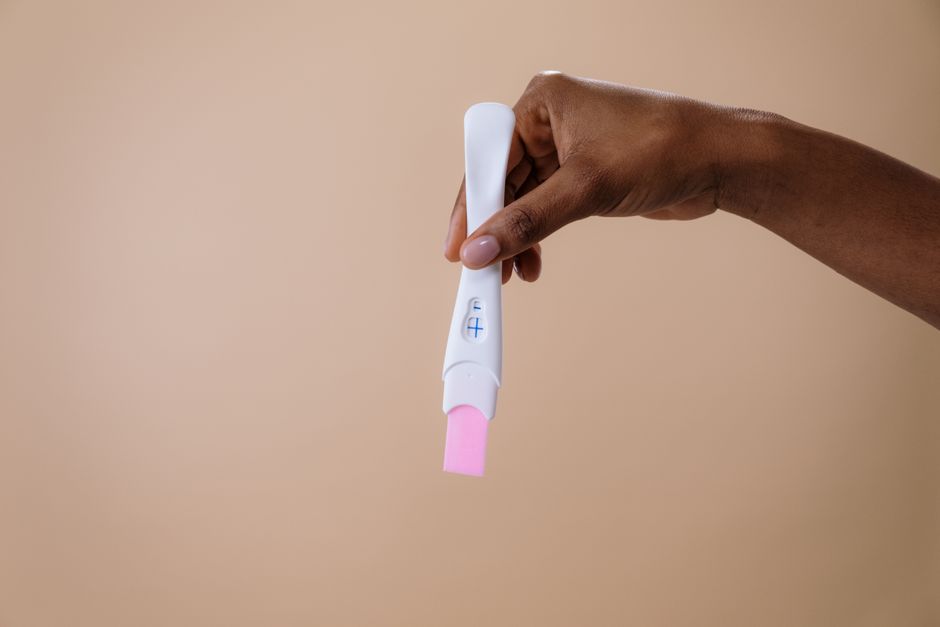
If you think you might be pregnant, the timing of a home test matters more than the brand. A pregnancy test works by detecting human chorionic gonadotropin (hCG), a hormone the body starts making after a fertilized egg implants in the uterus. Implantation usually happens about 6 to 12 days after ovulation, and hCG levels roughly double every 48 hours in early pregnancy. That timeline is why testing too early is the most common reason for a false negative.
When To Take A Pregnancy Test
The most reliable time to take a home pregnancy test is the first day of a missed period. By that point, most pregnant women have enough hCG in their urine for a standard test to detect.
If your cycles are irregular, counting days is harder. In that case, waiting at least 14 days after you think you ovulated gives a clearer result. Some tests are marketed as “early detection” and claim to work up to five or six days before a missed period. Those claims are not wrong, but accuracy drops the earlier you test. A test taken several days before a missed period is more likely to miss a pregnancy that is actually there.
Testing first thing in the morning can help if you are testing early. Urine is more concentrated after you have slept, which makes lower levels of hCG easier to detect. Once you have missed a period, the time of day matters much less.
How Do Pregnancy Tests Actually Work?
Home pregnancy tests use antibodies that bind to hCG in your urine. When hCG is present, the test produces a visible line, a plus sign, or a digital “pregnant” reading.
There are two main types. Qualitative tests simply tell you whether hCG is present. Quantitative tests, which are done in a lab with a blood sample, measure the exact amount of hCG. Blood tests can detect pregnancy earlier than urine tests because they are more sensitive and can pick up lower levels of the hormone.
Most home tests can detect hCG at concentrations around 20 to 25 milli-international units per milliliter (mIU/mL). Some sensitive tests claim detection at 10 mIU/mL. The exact sensitivity varies by brand, so reading the label matters.
Why Does Testing Too Early Give A Wrong Result?
A false negative happens when you are pregnant but the test says you are not. This is almost always a timing problem, not a broken test.
Here is the sequence. Ovulation releases an egg. If it is fertilized, the resulting embryo travels to the uterus and implants in the lining. Only after implantation does the body begin producing hCG. Implantation typically occurs 6 to 12 days after ovulation, but it can happen later. Before implantation, there is no hCG to detect, no matter how sensitive the test is.
Once implantation occurs, hCG levels rise quickly at first. But in the earliest days, the amount may still be below what a urine test can pick up. Waiting a few extra days can turn a negative into a positive if pregnancy is present.
A false positive is much less common. It can happen with certain medications that contain hCG, with some fertility treatments, or rarely with certain medical conditions. If you get a positive result, a healthcare provider can confirm it with a blood test.





What About Test Accuracy and Expiration Dates?
When used correctly and after a missed period, home pregnancy tests are generally accurate. Research has found that most home tests perform well when used as directed, though user error and testing too early are common reasons for inaccurate results.
Check the expiration date before you use a test. An expired test may not work reliably. Store tests as the package directs, usually at room temperature and away from moisture.
Follow the instructions exactly. That includes how long to hold the test in the urine stream or dip it, and how long to wait before reading the result. Reading a test after the recommended window can show an evaporation line that looks like a faint positive but is not one.
What If The Result Is Faint or Unclear?
A faint line usually means hCG is present but at a low level. This often happens when you test very early. A faint positive is generally still a positive, but it is worth confirming.
Wait two or three days and test again. Because hCG rises over time in early pregnancy, a true pregnancy should produce a stronger line on a later test. If the line does not get darker, or if you are unsure how to read it, contact a healthcare provider.
Digital tests can remove some of the guesswork because they display words instead of lines. They tend to be less sensitive than some line tests, so they may not detect a very early pregnancy.
When Should You See A Healthcare Provider?
Contact a provider if you get a positive result, since confirming the pregnancy and starting prenatal care matters for your health and the baby’s. A provider can confirm with a blood test or ultrasound.
Also reach out if you have a negative test but still have pregnancy symptoms, or if your period is unusually late or different from normal. Some situations need medical attention regardless of test results:
- Severe or one-sided pelvic pain
- Heavy bleeding
- Dizziness or fainting
- Pain in the shoulder or tip of the shoulder
These symptoms can sometimes point to an ectopic pregnancy, where a fertilized egg implants outside the uterus. Ectopic pregnancy is a medical emergency and needs prompt care. Do not wait to see if symptoms pass.
Can You Test Too Many Times?
Testing repeatedly in a short window rarely adds useful information. If you test negative and your period still has not started, waiting a few days before retesting gives hCG time to rise to a detectable level.
Testing every few hours or every day right after a missed period mostly produces the same result and can add stress. A reasonable approach is to test once, and if negative and your period is still absent, test again in about three days.
If you have taken several tests with mixed results, or if your cycle is irregular and you are unsure when to test, a healthcare provider can help sort out what is going on. They can also check for other reasons a period might be late, since stress, illness, weight changes, and some medications can affect timing.
Does The Type of Test Matter?
Urine and blood tests both detect hCG, but they are used differently. Understanding the difference helps you know what to expect.
| Test Type | Detects | Typical Timing | Notes |
|---|---|---|---|
| Home urine test | hCG presence | First day of missed period | Can detect around 20-25 mIU/mL; some claim 10 mIU/mL |
| Lab urine test | hCG presence | Similar to home test | Performed by a provider |
| Qualitative blood test | hCG presence | Can detect earlier than urine | Confirms pregnancy yes or no |
| Quantitative blood test | Exact hCG level | Can detect very early | Measures the amount of hCG |
For most people, a home urine test on the first day of a missed period is the practical starting point. Blood tests are used when earlier detection or a precise measurement is needed.
What Else Can Affect Your Result?
Several factors can influence a home test result beyond timing.
- Diluted urine: Drinking a lot of fluid before testing can lower hCG concentration.
- Expired or improperly stored tests: These may not work as intended.
- Medications containing hCG: These can cause a false positive.
- Fertility treatments: Some can affect results; ask your provider when to test.
- Reading the test too late: Evaporation lines can appear after the valid window.
If you take a test and the result does not match what you expect, a provider can help interpret it. There is no harm in asking.
Frequently Asked Questions
How soon can I take a pregnancy test?
You can test as early as the first day of a missed period for the most reliable result. Some tests claim to work several days earlier, but accuracy is lower the sooner you test.
Can I get a false negative if I test too early?
Yes. Testing before enough hCG has built up in your urine is the most common cause of a false negative. Waiting a few days and testing again usually gives a clearer answer.
Is it better to test in the morning?
Morning urine is more concentrated, which can help detect low levels of hCG if you are testing early. After a missed period, the time of day matters much less.
What should I do if my test is positive?
Contact a healthcare provider to confirm the pregnancy and begin prenatal care. A provider can confirm with a blood test or ultrasound and talk with you about next steps.
