
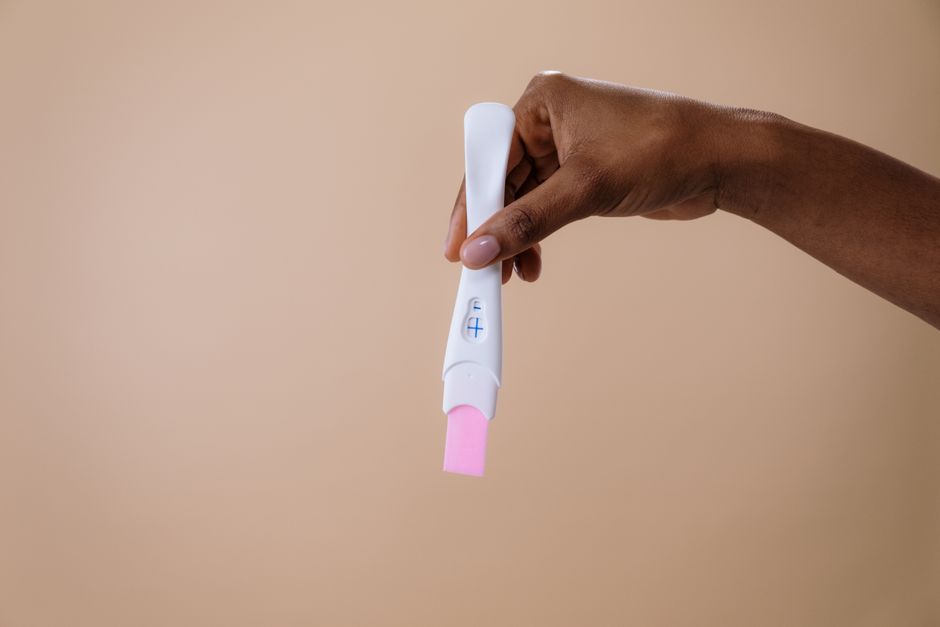
If you stopped taking your birth control pill and want to know whether you’re pregnant, the timing depends on one thing: whether you’ve had a fertile ovulation and enough time for the hormone hCG to build up in your body. A home pregnancy test is most reliable when taken at least one day after a missed period. If you don’t know when your period is due — which is common right after stopping the pill — wait at least 14 days after unprotected sex before testing.
That’s the short answer. The longer answer involves understanding what the pill was doing to your cycle, how long it takes your body to reset, and why testing too early can give you a false result.
How Long Does It Take for Your Cycle to Return After Stopping the Pill?
For most people, ovulation resumes within the first few weeks after stopping the pill. But “most” is not “everyone,” and this is where a lot of confusion starts.
Combined oral contraceptives work mainly by preventing ovulation. When you stop taking them, the hormonal suppression lifts. The lining of your uterus sheds — this is called a withdrawal bleed, and it’s not a true menstrual period. It happens because you stopped the hormones, not because you ovulated.
After that withdrawal bleed, your body has to restart its own hormonal signaling. For many people, the first real ovulation occurs within two to four weeks. Some ovulate sooner. Others take longer — sometimes a few months — especially if their cycles were irregular before they started the pill.
Research consistently shows that the pill does not permanently affect fertility. A large body of evidence indicates that previous oral contraceptive use does not reduce a person’s overall ability to conceive. But the time it takes for cycles to normalize varies widely from person to person.
This matters for pregnancy testing because you can’t count on a predictable period right away.
When To Take a Pregnancy Test After Coming Off the Pill
The most reliable approach is to test based on when you likely ovulated or when you had unprotected sex — not based on a calendar prediction that may not apply to you yet.
Here’s how the timing works:
- If you’ve missed a period: Test one day after the missed period. This is the standard recommendation from test manufacturers and is when most home tests can detect hCG reliably.
- If you don’t know when your period is due: Wait at least 14 days after unprotected sex. Ovulation can happen at different points in your cycle, and hCG needs time to reach detectable levels.
- If you’re testing very early: Some tests claim accuracy up to five days before a missed period, but accuracy is lower the earlier you test. The further out you are from your expected period, the less reliable the result.
Home pregnancy tests detect human chorionic gonadotropin (hCG), a hormone produced after a fertilized egg implants in the uterine lining. Implantation typically occurs about six to twelve days after ovulation. It takes another few days for hCG levels to rise high enough to be detected in urine.
That’s why testing too soon can give you a false negative — not because you’re not pregnant, but because your body hasn’t produced enough hCG yet.
Can the Pill Delay a Positive Test Result?
No. The pill does not interfere with a pregnancy test’s ability to detect hCG. Once you stop taking it, the synthetic hormones in the pill leave your system within a few days and do not affect test results.
What the pill can do is make it harder to know when to test. If you’re used to a predictable withdrawal bleed every month, you might expect that same pattern after stopping. But your first few cycles off the pill can be irregular. You might have a short cycle, a long cycle, or skip a cycle entirely.
This irregularity is normal and does not mean something is wrong. It means your body is finding its own rhythm again.
One thing worth knowing: some people mistake the withdrawal bleed for a real period. If you had unprotected sex during the week you stopped the pill and then had a withdrawal bleed a few days later, that bleed does not rule out pregnancy. It’s a hormone-driven bleed, not a sign that you didn’t conceive.




What If You Get a Negative Test but Still Feel Pregnant?
A negative test is not always the final answer. If you tested too early, you may need to test again.
Early pregnancy symptoms — nausea, breast tenderness, fatigue, mild cramping — overlap heavily with the symptoms of stopping the pill. Your body is adjusting to a shift in hormones, and that adjustment can feel a lot like early pregnancy.
If you tested negative but your period still hasn’t come after several more days, test again. If you continue to get negative results and your period remains absent for more than a few weeks, talk to a healthcare provider. There are other reasons a period can be delayed besides pregnancy, including stress, thyroid issues, and something called post-pill amenorrhea.
What Is Post-Pill Amenorrhea?
Post-pill amenorrhea means your period doesn’t return within a certain timeframe after stopping the pill. It’s uncommon, but it happens.
The condition is more likely in people who had irregular cycles before starting the pill, or who have underlying conditions like polycystic ovary syndrome (PCOS). For most people, cycles return to normal on their own. For a small number, it takes longer.
If you haven’t had a period within three months of stopping the pill and you’re not pregnant, see a healthcare provider. They can check for other causes and help you understand what’s going on.
It’s worth noting that post-pill amenorrhea does not mean you can’t get pregnant. You can ovulate without having a period first, which means pregnancy is possible even if your cycles haven’t returned to normal.
How Accurate Are Home Pregnancy Tests?
Home pregnancy tests are accurate when used correctly and at the right time. When taken one day after a missed period, most tests detect pregnancy in the vast majority of cases.
Accuracy drops when you test too early. The hormone hCG doubles roughly every 48 hours in early pregnancy. If you test at the very edge of detectability, a small difference in timing can change the result.
To get the most reliable result:
- Use first-morning urine, which has the highest concentration of hCG.
- Follow the instructions on the test exactly.
- Don’t drink large amounts of water right before testing — it can dilute your urine.
- If the result is negative and your period still hasn’t come, wait a few days and test again.
If you need a definitive answer sooner, a blood test at a doctor’s office can detect hCG earlier than a urine test. Blood tests are more sensitive and can pick up pregnancy around the time of a missed period, sometimes slightly before.
Does It Matter How Long You Were on the Pill?
Not for pregnancy test timing. Whether you took the pill for six months or six years, the testing timeline is the same once you stop.
What can differ is how quickly your cycle returns. Some research suggests that people who used the pill for a long time may take slightly longer to resume regular ovulation, but the evidence on this is mixed. Age also plays a role — fertility naturally declines with age, and that affects cycle patterns regardless of pill use.
The key point: the pill doesn’t stay in your system. Once you stop, your body begins returning to its baseline. How fast that happens is individual.
When Should You See a Doctor?
Talk to a healthcare provider if:
- You’ve had multiple negative tests but still no period after three months off the pill.
- You had a positive test and then started bleeding — this could indicate a miscarriage or an ectopic pregnancy, which requires immediate medical attention.
- You have severe pain, heavy bleeding, or feel faint.
- You have irregular cycles and are trying to conceive — a provider can help evaluate underlying causes.
For most people, the answer to “when should I take a pregnancy test after stopping the pill” comes down to patience. Wait until you’ve missed a period, or at least 14 days after unprotected sex. Testing earlier than that increases the chance of a false negative and leaves you with more questions instead of fewer.
Frequently Asked Questions
How soon can I take a pregnancy test after stopping the pill?
Wait at least 14 days after unprotected sex, or one day after a missed period. Testing earlier than that can give a false negative because hCG may not be detectable yet.
Can the pill cause a false negative pregnancy test?
No. Birth control pills do not interfere with pregnancy test results. The pill leaves your system within a few days of stopping and does not affect hCG detection.
What if I don’t get my period after stopping the pill?
It can take a few months for cycles to return to normal after stopping the pill. If you haven’t had a period within three months and you’re not pregnant, see a healthcare provider.
Can I get pregnant right after stopping the pill?
Yes. Ovulation can resume within weeks of stopping the pill, and pregnancy is possible even before your first period returns.
