
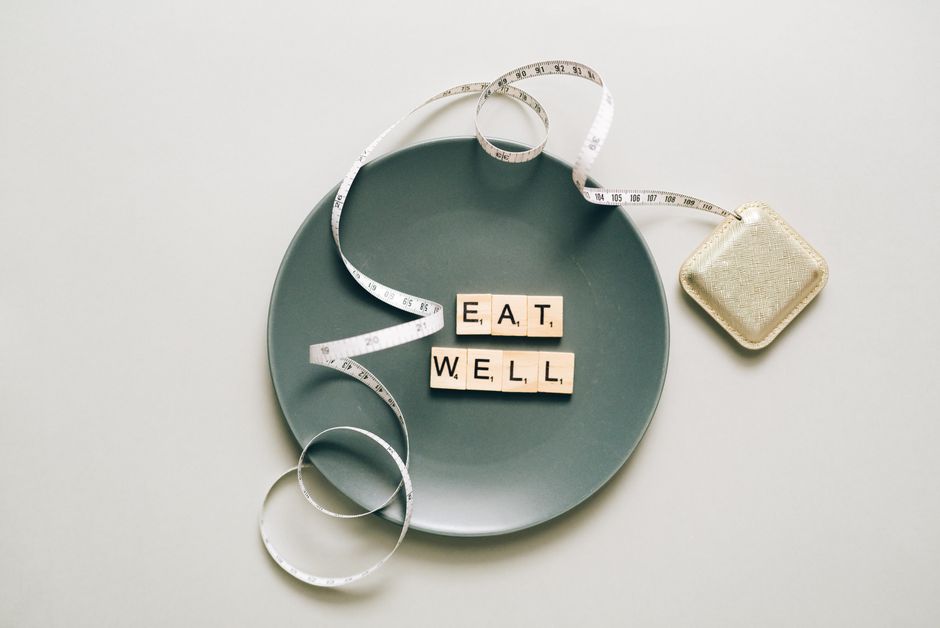
If you are scheduled for an upper endoscopy, you should stop eating solid food at least 8 hours before the procedure. Many clinics ask you to stop all food — including light snacks — at midnight the night before. Clear liquids are usually allowed up to 2 hours before, but you must stop drinking anything at that point. Your specific instructions come from your doctor’s office, and those instructions override any general rule.
When To Stop Eating Before An Endoscopy Fasting Rules
The fasting rule exists because of one serious risk: aspiration. When you are sedated, your swallowing reflex weakens. If there is food in your stomach, it can come back up into your throat and then into your lungs. That can cause aspiration pneumonia, which is a genuine medical emergency.
The 8-hour minimum for solid food is not arbitrary. It reflects how long the stomach typically takes to empty a normal meal. A meal that contains fat takes longer to leave the stomach than a light one. That is why some clinics extend the fasting window to 12 hours or more if you ate a heavy or fatty meal the night before.
Clear liquids move through the stomach much faster. Water, clear broth, plain tea without milk, and clear juice without pulp typically empty within about 2 hours. That is the basis for the 2-hour clear liquid cutoff.
This is where a common misunderstanding causes problems. Some people think “clear liquid” means anything they can see through. It does not work that way. Anything with milk, cream, or pulp is not a clear liquid. Coffee with cream is not clear. Orange juice with pulp is not clear. A protein shake is not clear. These count as food for fasting purposes.
Why Do Different Clinics Give Different Fasting Instructions?
Fasting instructions vary because sedation approach, procedure timing, and patient factors vary. A clinic that uses deeper sedation tends to be more conservative. A clinic doing the procedure first thing in the morning may give different timing than one scheduling you at noon.
The anesthesiology societies and gastroenterology societies that publish fasting guidance generally align on the core numbers, but individual practices adapt them. Underlying conditions matter too. Diabetes, gastroparesis, and obesity can all slow stomach emptying, and a clinic aware of those factors may ask for a longer fast.
This is why you should follow the instructions from your own care team rather than a general rule you found online. If your paperwork says stop eating at 10 p.m. and a website says 8 hours is enough, follow your paperwork.
What Counts as a Clear Liquid Before an Endoscopy?
A clear liquid is any liquid you can see through and that leaves no solid residue in the stomach. The list is shorter than most people expect.
- Water
- Clear broth or bouillon
- Plain tea or coffee without milk or cream
- Clear fruit juice without pulp, such as apple or white grape
- Sports drinks and clear soda
- Plain gelatin without fruit or toppings
- Popsicles without fruit pieces or dairy
Things that are not clear liquids include milk, cream, plant-based milks, smoothies, protein drinks, anything with pulp, and anything with added fat. Some clinics also restrict red-colored liquids because they can look like blood during the procedure, though this is a preference rather than a universal rule.
What Happens If You Eat or Drink Too Close to the Procedure?
The procedure may be delayed or rescheduled. This is not a punishment. It is a safety decision. If there is a chance food is still in your stomach, going ahead with sedation carries real risk.
Tell your care team the truth if you slip. If you ate something you should not have, or drank a coffee with cream when you thought it was fine, say so before the procedure starts. Staff can then decide whether to wait, adjust sedation, or reschedule. Hiding it does not protect you. It puts you at risk.
A delayed procedure is inconvenient. Aspiration during sedation is dangerous. Those two things are not in the same category.
Do Fasting Rules Change If You Have Diabetes or Take Daily Medications?
Diabetes changes the picture, and you need specific guidance from your care team. Fasting can cause low blood sugar, and some diabetes medications need to be adjusted or held before a procedure. Do not make those decisions alone. Call the office managing your procedure and ask exactly what to do with your medications.
For other daily medications, the general practice at many clinics is to take essential medications with a small sip of water, even during the fasting window. Blood pressure medications, heart medications, and seizure medications are common examples. But which medications to take, hold, or adjust is a decision your prescribing clinician or the endoscopy team should make. The instructions differ depending on the drug and your health history.
Blood thinners deserve special attention. Some need to be stopped days in advance, and that decision belongs to the clinician who prescribed them, often in coordination with the endoscopy team. Never stop a blood thinner on your own based on something you read.
How Long Does Stomach Emptying Actually Take?
Stomach emptying time depends heavily on what and how much you ate. A small low-fat meal may clear in a couple of hours. A large fatty meal can take considerably longer. This variability is exactly why clinics build in a margin rather than cutting it close.
Liquids empty faster than solids, and clear liquids empty fastest of all. That difference is the entire logic behind allowing clear liquids closer to the procedure than food.
Conditions that delay stomach emptying — including diabetes-related nerve damage and gastroparesis — make the standard windows less reliable. If you have one of these conditions, tell your care team. They may extend your fasting time.
What About Smoking, Gum, and Hard Candy?
Skip all of them during the fasting window. Gum and hard candy stimulate swallowing and can introduce small amounts of material into the stomach, and they can also increase the risk of choking if you are sedated. Smoking increases stomach acid and can affect sedation. Your clinic will likely ask you to avoid all three.
This surprises people. A piece of gum feels like nothing. But the rule is not about calories. It is about what is in your stomach and your airway when sedation begins.
Can You Drink Water the Morning of the Procedure?
Usually yes, up to 2 hours before your scheduled arrival or procedure time, depending on your clinic. After that, nothing by mouth. Not even water. Not even a sip to take a pill, unless your care team specifically told you to take a medication with a small sip.
The 2-hour clear liquid window is well established in fasting guidance used by anesthesia and gastroenterology groups. But again, individual clinics may be stricter. Some ask for nothing after midnight regardless of procedure time. Follow what your paperwork says.
The Bottom Line on Endoscopy Fasting
Stop solid food at least 8 hours before. Stop clear liquids 2 hours before. Follow your clinic’s specific instructions over any general guideline, because your sedation plan and health history affect the right timing for you. When in doubt, call the office. A two-minute phone call is far better than a canceled procedure or a complication.
Frequently Asked Questions
How many hours before an endoscopy should you stop eating?
At least 8 hours before the procedure for solid food. Many clinics ask you to stop eating at midnight the night before.
Can I drink water 2 hours before my endoscopy?
Clear liquids are usually allowed up to 2 hours before the procedure, then nothing by mouth. Your clinic’s instructions take priority over this general rule.
What happens if I eat before my endoscopy?
The procedure may be delayed or rescheduled because of aspiration risk during sedation. Tell your care team honestly if you ate or drank outside the allowed window.
Is coffee with cream considered a clear liquid before an endoscopy?
No. Anything with milk, cream, or pulp is not a clear liquid and counts as food for fasting purposes.
