
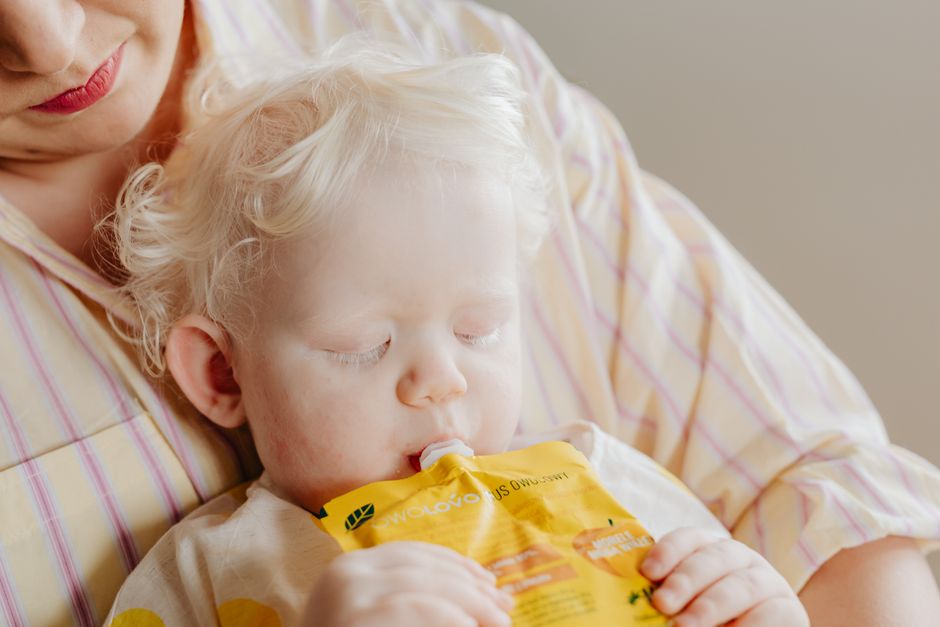
Most babies are ready to start solid foods, including protein, around 6 months of age. Pediatric guidelines generally recommend introducing iron-rich foods like pureed meats, poultry, and beans early in the weaning process. You do not need to delay protein introduction; offering it alongside other first foods is safe and beneficial for growth.
When To Introduce Protein To Baby Age And Foods?
The short answer is that protein can be introduced when your baby starts solids, typically at 6 months. Waiting longer than this does not prevent allergies and may actually miss a key window for accepting new textures and flavors.
At 6 months, most babies have the head control and swallowing skills needed for purees and soft mashes. Their digestive systems are also mature enough to handle animal and plant proteins. The American Academy of Pediatrics and similar global health bodies recommend starting iron-rich foods early because breast milk alone does not provide enough iron after this age.
Protein is not a single food group you add later. It is part of a balanced plate from day one. You can begin with smooth purees of chicken, turkey, beef, or lentils. As your baby grows, you can move to finger foods like shredded meat or small bean patties around 8 to 10 months.
Why Protein Matters For Babies
Protein provides the building blocks for every cell in the body. It supports muscle growth, organ development, and the production of enzymes and antibodies. During the first year, a baby’s weight typically triples, and protein is essential to fuel that rapid growth.
Iron is the other critical nutrient found in many protein foods. Iron deficiency is the most common nutritional deficiency in infants worldwide. It can affect brain development and behavior. Heme iron from meat, poultry, and fish is absorbed more easily by the body than non-heme iron from plants.
This is why early protein introduction is not just about protein itself. It is about delivering iron, zinc, and B vitamins that support a developing brain and immune system. A baby who only eats cereals and fruits may miss these nutrients.
Best First Protein Foods For Babies
Start with foods that are easy to puree and have a smooth texture. You want a consistency similar to yogurt or thin oatmeal. This reduces choking risk and helps your baby learn to swallow thicker textures.
- Pureed chicken or turkey: Cook thoroughly, blend with breast milk, formula, or water to reach a smooth consistency.
- Pureed beef or lamb: High in iron and zinc. Blend well to break down fibers.
- Mashed beans and lentils: Great plant-based option. Mash well and add liquid for a smoother texture.
- Plain full-fat yogurt: Provides protein and calcium. Choose unsweetened varieties.
- Soft scrambled eggs: Offer well-cooked eggs. Cook until firm and cut into small pieces.
- Finely mashed tofu: Soft and easy to swallow. Blend with vegetables for added nutrition.
Fish like salmon and cod are also good options. They provide protein and healthy fats. Make sure all bones are removed and the fish is cooked until it flakes easily.


How Much Protein Does A Baby Need?
Babies need relatively small amounts of protein compared to older children and adults. The exact amount depends on age, weight, and whether they drink breast milk or formula.
For a general guide, babies aged 7 to 12 months need about 11 grams of protein per day. This comes from a combination of breast milk or formula plus solid foods. To put that in perspective, one ounce of cooked chicken contains about 7 grams of protein. Two tablespoons of pureed beans contain about 2 grams.
You do not need to count grams at every meal. A simple approach is to offer a protein food at two meals per day. Start with one to two tablespoons and increase gradually as your baby shows interest.
Formula-fed babies get protein from formula as well. Breastfed babies need more protein from solids because breast milk contains less protein than formula. This is another reason early introduction of iron-rich foods matters for breastfed infants.
How To Prepare Protein Safely For Babies
Food safety is just as important as nutrition. Babies have immature immune systems and are more vulnerable to foodborne illness. Always cook meat, poultry, fish, and eggs until they reach safe internal temperatures.
For purees, cook the meat thoroughly first, then blend. Do not just puree raw meat. Add breast milk, formula, or cooled boiled water to thin the puree. Do not add salt, sugar, or honey. Babies’ kidneys cannot handle added salt, and honey carries a risk of infant botulism.
Texture progression matters. At 6 months, smooth purees are safest. By 7 to 8 months, you can offer mashed foods with small soft lumps. By 9 to 12 months, most babies can handle finely chopped or shredded meats.
Always supervise your baby during meals. Cut foods into small pieces no larger than half an inch. Avoid hard, round, or sticky foods that pose choking risks, such as whole nuts, hot dogs, or large chunks of meat.
Signs Your Baby Is Ready For Protein Foods
Age is a guide, but every baby develops at their own pace. Look for these readiness signs before starting any solid food, including protein:
- Sits up with minimal support
- Holds their head steady
- Shows interest in food by watching you eat or reaching for your plate
- Opens their mouth when food is offered
- Can move food from the front of the mouth to the back for swallowing
- Has lost the tongue-thrust reflex that pushes food out
If your baby is not showing these signs at 6 months, it is fine to wait a few more weeks. Do not start solids before 4 months. Starting too early can increase the risk of choking and may strain immature digestive systems.
Allergies And Protein Introduction
There is no evidence that delaying protein foods prevents food allergies. In fact, research suggests that early introduction of allergenic foods may reduce the risk of developing allergies.
Eggs, fish, and peanuts are common allergens. You can introduce these foods when your baby starts solids, around 6 months. Start with one new food at a time and wait a few days before introducing another. This helps you identify any allergic reaction.
Signs of an allergic reaction include hives, swelling of the lips or face, vomiting, or difficulty breathing. If you notice any of these signs, stop the food and contact your pediatrician. Severe reactions with breathing difficulty require immediate emergency care.
If your baby has severe eczema or a known food allergy, talk to your pediatrician before introducing common allergens. Some clinicians recommend earlier introduction of peanut products for high-risk infants, but this should be done under medical guidance.
Common Concerns About Baby Protein
Many parents worry about giving meat to young babies. Some worry it is too hard to digest or that babies cannot chew it. These concerns are understandable but not supported by evidence.
Babies do not need teeth to eat pureed meat. Their gums are firm enough to mash soft foods. The key is proper texture preparation. Smooth purees are easy for babies to swallow without chewing.
Another common concern is the cost and time of preparing meat purees. You can make large batches and freeze them in ice cube trays. Thaw individual portions as needed. This saves time and ensures you always have a protein option ready.
Vegetarian families can meet baby protein needs with beans, lentils, tofu, yogurt, and eggs. The key is variety. Different plant proteins provide different amino acids, so offering a range of sources helps ensure complete nutrition. Iron from plants is less absorbable, so pair it with vitamin C-rich foods like pureed berries or tomatoes.
Protein For Babies: What To Avoid
Some protein foods are not appropriate for babies. Processed meats like hot dogs, sausages, and deli meats are high in sodium and nitrates. They also pose a choking risk due to their shape and texture. Avoid these entirely in the first year.
Whole nuts and seeds are choking hazards and should not be given to babies under 4 years old. Nut butters can be offered in thin layers on toast or mixed into purees, but never give a spoonful of thick nut butter to an infant.
Undercooked meat, raw fish, and raw eggs carry foodborne illness risks. Never serve these to babies. Cook all animal proteins until well done. Check that eggs are firm and meat has no pink areas.
Plant-based milks like almond, oat, or rice milk are not nutritionally equivalent to breast milk or formula. They should not replace breast milk or formula in the first year. They are also low in protein. If you are considering a plant-based diet for your baby, work with a pediatrician or registered dietitian to ensure all nutrient needs are met.
Frequently Asked Questions
Can I give my 4-month-old protein?
No, most babies are not ready for solids at 4 months. Pediatric guidelines recommend waiting until around 6 months when babies show signs of readiness.
How much meat should I give my baby at 6 months?
Start with one to two tablespoons of pureed meat per day. You can gradually increase the amount as your baby accepts more solid foods.
Is it safe to give eggs to babies?
Yes, well-cooked eggs are safe and nutritious for babies starting at 6 months. Cook them until the yolk and white are firm to reduce salmonella risk.
Do babies need protein every day?
Yes, protein needs are met through a consistent daily intake. Offer a protein food at least twice per day once your baby is eating solids regularly.
