
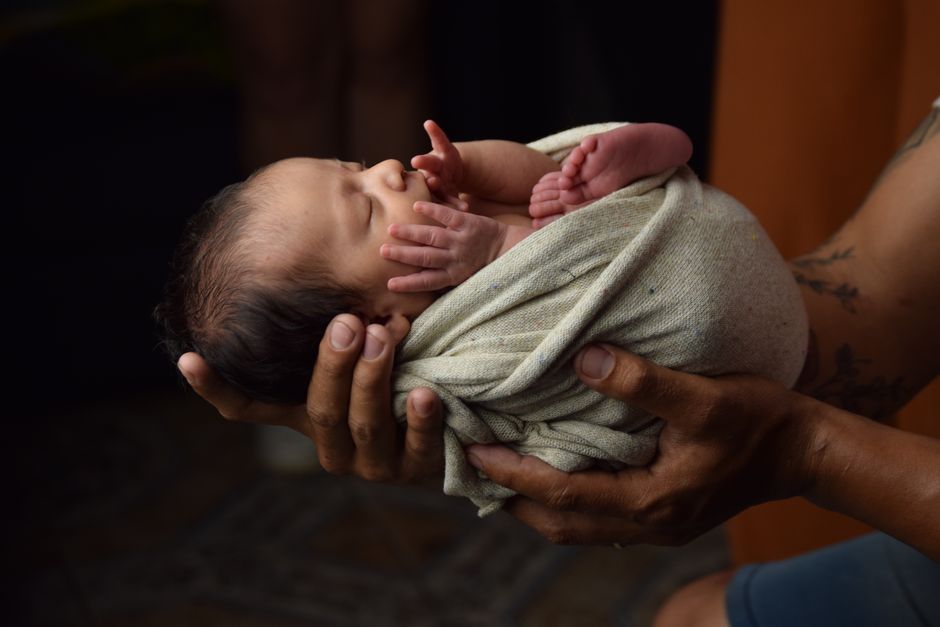
Most healthy, full-term babies do not need a bath in the first 24 hours after birth. The World Health Organization and the American Academy of Pediatrics both recommend waiting at least 12 to 24 hours after birth for the first bath. Waiting this long helps keep your baby warm, stabilizes blood sugar, and supports early breastfeeding and skin-to-skin contact.
Why Do Experts Recommend Delaying the First Bath?
The main reason is temperature control. A newborn cannot regulate body heat well. Bathing too soon can cause a drop in body temperature, which stresses the baby’s system.
Another reason is blood sugar stability. Studies have found that babies bathed after 24 hours have more stable blood sugar levels than those bathed within the first few hours. This matters most in the first days of life.
There is also evidence that delaying the bath supports breastfeeding. Skin-to-skin time immediately after birth helps trigger feeding instincts. When a bath interrupts this early contact, some babies latch less effectively in the first feedings.
What Is the Vernix and Why Should You Leave It?
At birth, many babies are covered in a white, creamy substance called vernix caseosa. This is not dirt. It is a protective coating that developed in the womb.
Vernix acts as a natural moisturizer and skin barrier. It also has antibacterial properties. Leaving it on the skin for the first day or two helps protect your newborn from infection and keeps skin from drying out.
When you do give the first bath, there is no need to scrub the vernix off. Gentle washing with plain warm water will remove most of it naturally over the next day or two.
When To Give Baby First Bath: The 24-Hour Rule
The clearest guidance is simple: wait at least 24 hours after birth when possible. If 24 hours is not feasible for medical or practical reasons, a bath after 12 hours is acceptable.
The World Health Organization recommends delaying the first bath until 24 hours after birth. The American Academy of Pediatrics similarly advises waiting at least 12 to 24 hours.
This timeline applies to healthy, full-term babies. Premature babies or babies with medical complications may need to wait longer. Your pediatrician or the hospital nursery team will guide you if your baby needs special care.
Some hospitals have moved to “dry bathing” in the first hours. This means wiping the baby clean with warm cloths without full immersion in water. This approach cleans the baby while preserving warmth and early bonding time.
Why Not Bathe a Newborn Immediately After Birth?
Immediate bathing was once standard practice in hospitals. That changed as research revealed the downsides.
Cold stress is the biggest concern. A newborn emerging from the womb into a cooler delivery room already loses heat quickly. Immersion in water accelerates that heat loss. Even with warm water, the baby’s body temperature can drop after the bath as wet skin evaporates.
Early bathing also removes the vernix sooner than necessary. This leaves the skin more vulnerable to dryness and irritation in the first days.
There is another practical issue. Babies are awake and alert for about the first hour after birth. This is a prime window for the first breastfeeding. Interrupting it with a bath can delay feeding and reduce the chances of a smooth start to nursing.
How Long Should the First Bath Last?
Keep the first bath short. Five to ten minutes is plenty.
Longer baths increase the risk of the water cooling down and the baby losing body heat. A quick, gentle wash is all a newborn needs.
You do not need soap for the very first bath. Plain warm water is sufficient. If you use a mild, fragrance-free baby cleanser, use it sparingly and rinse thoroughly.
Sponge Baths vs. Tub Baths: What Is Right for a Newborn?
Until the umbilical cord stump falls off, sponge baths are recommended. This usually happens within one to three weeks after birth.
A sponge bath means laying your baby on a warm, flat surface and wiping the body with a soft cloth dipped in warm water. You do not immerse the baby in water.
Keeping the cord stump dry helps it fall off faster and reduces the risk of infection. Submerging the stump in water is not necessarily dangerous, but most pediatricians prefer to keep it dry until it detaches.
Once the stump falls off and the area looks healed, you can move to a small baby tub with a few inches of warm water.
What Temperature Should the Bath Water Be?
Aim for water that feels warm but not hot. The ideal range is about 37°C to 38°C (98.6°F to 100.4°F), close to body temperature.
Test the water with your wrist or elbow. It should feel comfortably warm, not hot. A bath thermometer is a helpful tool if you want certainty.
Heat the room beforehand. A warm bathroom reduces the shock of moving from water to air. Check the water temperature again right before placing the baby in it, because water cools quickly.
How Often Should You Bathe a Newborn?
Newborns do not need daily baths. Two to three times per week is enough during the first few months.
Daily bathing can dry out a baby’s sensitive skin. Between baths, clean the face, neck folds, and diaper area with a warm washcloth as needed.
Sponge baths are fine to do more frequently if the baby spits up or has a messy diaper. The goal is cleanliness without stripping the skin of its natural oils.
Signs Your Baby Is Ready for the First Tub Bath
Look for these signs before transitioning from sponge baths to a tub:
- The umbilical cord stump has fallen off completely
- The belly button area looks dry and healed
- Your baby is alert and not hungry
- The room is warm and free of drafts
There is no medical rule that says you must start tub baths at a specific age. Some parents wait several weeks. That is fine. What matters is that the cord area is healed and you feel confident handling a wet, slippery baby.
What About Babies Born Prematurely or With Health Conditions?
Premature babies have thinner skin and less body fat. They lose heat faster than full-term babies. For this reason, the first bath may be delayed longer than 24 hours.
Babies in the neonatal intensive care unit (NICU) often receive sponge baths only until they are stable. The medical team will decide when bathing is safe based on the baby’s temperature stability and overall condition.
If your baby was born with a health condition that affects skin integrity or temperature regulation, follow your pediatrician’s specific advice. There is no one-size-fits-all timeline for these situations.
Can You Bathe a Baby Before the Cord Falls Off?
Yes, but only with sponge baths. You can safely clean a baby whose cord stump is still attached as long as you do not submerge the stump in water.
Keep the stump dry and exposed to air when possible. Fold the diaper down below the stump to allow airflow. Do not apply rubbing alcohol unless your pediatrician specifically instructs you to, as current guidance recommends keeping the area clean and dry without alcohol.
If the cord area becomes red, swollen, or has a foul-smelling discharge, contact your pediatrician. These can be signs of infection.
What If Your Baby Was Bathed Early in the Hospital?
Some hospitals still bathe babies shortly after birth, especially if the mother requests it or if there are concerns about bloodborne infections. This does not harm your baby permanently.
If your baby was bathed early, simply focus on skin-to-skin contact, feeding, and keeping the baby warm in the hours afterward. The benefits of delayed bathing are about optimizing the first hours, not about avoiding permanent harm.
What matters most is what happens after you go home. Follow the general guidance for bathing frequency and water temperature from that point forward.
Practical Tips for a Safe First Bath at Home
Gather everything before you start. You will need a baby tub or clean sink, two soft washcloths, a mild baby cleanser (optional), a clean towel, a fresh diaper, and clean clothes.
Undress your baby and wrap them in a towel. Wash the face first with plain water, then wash the body. Save the diaper area for last.
Support your baby’s head and neck at all times. Never leave a baby unattended in water, even for a few seconds. Babies can drown in as little as one inch of water.
After the bath, pat the skin dry gently. Apply a fragrance-free moisturizer if the skin looks dry. Dress the baby immediately to preserve body heat.
Frequently Asked Questions
Can I bathe my newborn before the cord falls off?
Yes, sponge baths are safe before the cord falls off. Keep the stump dry and do not submerge it in water until it detaches and heals.
What if my baby was bathed right after birth in the hospital?
This is not harmful. Focus on skin-to-skin contact, feeding, and keeping your baby warm in the hours afterward.
How warm should the bath water be for a newborn?
Water should be about 37°C to 38°C (98.6°F to 100.4°F), close to body temperature. Test it with your wrist or elbow before placing the baby in the water.
How often should I bathe my newborn at home?
Two to three times per week is sufficient for most newborns. Daily bathing can dry out sensitive skin.
