
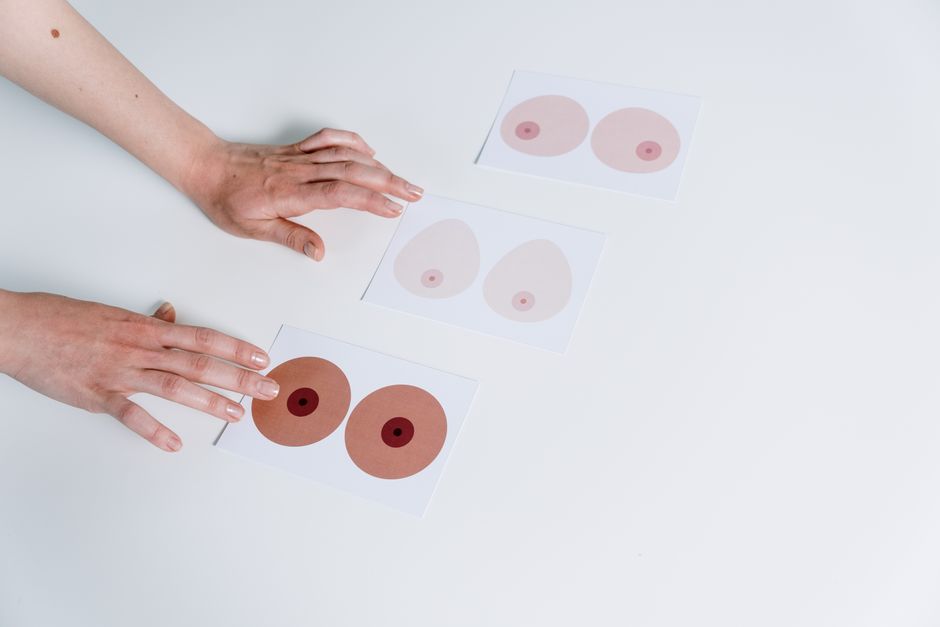
Mammograms are X-ray images of the breast used to look for cancer before symptoms appear. For most women at average risk, major medical organizations recommend starting screening mammograms at age 40, with repeat screening every one to two years. The exact schedule depends on your age, personal risk factors, and which guideline your doctor follows.
When To Get A Mammogram Exam: What the Guidelines Say
There is broad agreement that mammography screening saves lives. There is less agreement on the exact starting age and how often to repeat it. Different expert bodies weigh the benefits and harms differently, which is why their recommendations vary.
The American Cancer Society recommends that women at average risk begin annual mammograms at age 45, then switch to every other year starting at age 55. The U.S. Preventive Services Task Force recommends screening every two years for women aged 40 to 74. Other organizations, including the American College of Radiology and the American College of Obstetricians and Gynecologists, generally recommend starting at age 40 with annual or biennial screening.
The differences come down to how each group values early detection versus the risk of false positives. A false positive means the mammogram looks abnormal, but no cancer is present. This leads to extra imaging, sometimes a biopsy, and significant anxiety. These are real harms, even though they are not physical harm from the test itself.
What matters most is not which guideline you follow but that you and your doctor settle on a schedule and stick with it. Skipping years of screening undercuts the benefit more than choosing one interval over another.
What If You Have Risk Factors That Raise Your Risk?
If your personal risk is higher than average, the standard age-based schedule may not apply to you. Risk factors include a strong family history of breast or ovarian cancer, a known BRCA1 or BRCA2 gene mutation, prior chest radiation therapy, or certain other genetic conditions.
For women in these groups, screening often begins earlier — sometimes in the 30s or even late 20s — and may include MRI in addition to mammography. The exact timing and combination depend on the specific risk factor and are best worked out with a doctor who specializes in breast health or genetics.
It is worth being precise about what “family history” means here. One relative with breast cancer after age 60 does not usually change the screening schedule. Multiple relatives, cancer at a young age, cancer in both breasts, or ovarian cancer in the family are the patterns that typically prompt earlier and more intensive screening.
Some clinicians use formal risk assessment tools to estimate a woman’s lifetime risk. A lifetime risk above a certain threshold — often cited as 20 percent — is one factor that may lead to adding MRI to mammography. These tools are imperfect, and different doctors may interpret the same result differently.
How Often Should You Get Screened?
For average-risk women, the realistic options are yearly or every two years. Annual screening finds more cancers earlier but produces more false alarms. Biennial screening produces fewer false alarms but may catch some cancers at a slightly later stage.
Research consistently shows that both intervals reduce breast cancer deaths compared with no screening. The choice between them is a judgment call about trade-offs, not a matter of one being clearly correct.
Some women find that the anxiety of waiting two years is harder than the inconvenience of an annual test. Others prefer fewer tests and accept the small difference in detection timing. Neither preference is wrong. What tends to work poorly is an irregular schedule driven by convenience rather than a decision.
If you have dense breast tissue, your doctor may discuss additional imaging. Density makes cancer harder to see on a mammogram and is itself a modest risk factor. Many U.S. states require that women be notified if their mammogram shows dense tissue. What to do with that information is less standardized, and practices vary.
What Happens During a Mammogram?
A screening mammogram takes about 20 minutes. Each breast is compressed between two plates while two X-ray images are taken of each breast, one from top to bottom and one from side to side. The compression is uncomfortable for many women and briefly painful for some, but it lasts only a few seconds per image.
Compression matters. It spreads the tissue so the X-ray can see through it and reduces the radiation dose needed. Skipping or rushing it lowers image quality.
A radiologist reviews the images and sends results to you and your doctor, usually within a few days to a couple of weeks. Most results are normal or show benign findings that need no action.
If something looks suspicious, you will be called back for additional images. This is common and does not mean you have cancer. Most callbacks turn out to be normal tissue, cysts, or other non-cancerous findings.
What About False Positives and Overdiagnosis?
Two harms of screening get less attention than they deserve: false positives and overdiagnosis.
A false positive is an abnormal result that further testing shows is not cancer. Roughly one in ten screening mammograms leads to a callback for more imaging, and the vast majority of those women do not have cancer. Over a decade of annual screening, a substantial share of women will experience at least one false positive. The exact proportion depends on age, breast density, and how the test is read.
Overdiagnosis is different and harder to explain. It means finding a cancer that would never have caused symptoms or harm during a woman’s lifetime. Because doctors cannot reliably tell which detected cancers are dangerous and which are not, essentially all of them get treated. This means some women receive surgery, radiation, or medication for a cancer that would never have threatened them.
How common overdiagnosis is remains debated. Estimates vary widely, and no one has a precise number. This is one honest reason guidelines differ. It is also why some organizations emphasize shared decision-making — a conversation where you and your doctor weigh the benefits and harms together rather than following a single fixed rule.
None of this means screening does not work. The evidence that mammography reduces breast cancer deaths is solid. It means the benefits and harms are both real, and the balance shifts depending on your age and risk.
Does Breast Self-Exam Replace a Mammogram?
No. Breast self-exam is not a substitute for mammography, and major organizations no longer recommend routine self-exam as a screening method. Studies found that teaching women to perform structured self-exams did not reduce breast cancer deaths and led to more benign biopsies.
That does not mean you should ignore your breasts. Being aware of how your breasts normally look and feel — sometimes called breast self-awareness — helps you notice changes. If you find a lump, skin dimpling, nipple discharge, or a change that persists, see a doctor promptly. That is different from a scheduled self-exam routine.
Clinical breast exams by a doctor are also no longer recommended as a stand-alone screening method for average-risk women, though they may still be done during routine visits.
Common Questions About Timing and Preparation
A few practical points come up often.
- Schedule around your menstrual cycle if you still have periods. The week after your period is often when breasts are least tender.
- Skip deodorant, antiperspirant, lotion, and powder on the day of the exam. Some contain substances that can show up on the image.
- Wear a two-piece outfit so you can undress from the waist up easily.
- Bring records of any prior mammograms if you are seeing a new facility. Comparison with past images improves accuracy.
- Tell the technologist if you are pregnant or breastfeeding. Mammography can still be done, but the approach may change.
If you have breast implants, tell the facility when you schedule. Special views are needed, and not every center offers them.
How to Decide With Your Doctor
The most useful step is a direct conversation with your doctor about your personal risk and your priorities. Bring your family history. Ask which guideline your doctor follows and why. Ask what happens if a result is abnormal.
There is no single correct answer that fits everyone. A woman with a strong family history and a woman with none are in different situations. A woman who values catching every possible cancer early and a woman who wants to avoid unnecessary procedures may reasonably choose different schedules.
What the evidence supports clearly is this: for average-risk women, regular screening starting around age 40 reduces the chance of dying from breast cancer. The details of how often and exactly when to start are a genuine judgment call, and that is worth saying plainly rather than pretending one schedule is right for all women.
Frequently Asked Questions
At what age should I start getting mammograms?
Most major organizations recommend starting at age 40 for women at average risk, though some say 45 or 50. Your doctor can help you decide based on your personal risk factors.
How often should I get a mammogram?
For average-risk women, guidelines recommend screening every one to two years. Annual screening finds more cancers earlier but leads to more false positives.
Do I still need mammograms after menopause?
Yes. Breast cancer risk rises with age, and screening typically continues as long as you are in good health and would want treatment if cancer were found.
Can I skip a mammogram if I have no family history?
Most breast cancers occur in women with no family history, so a lack of family history does not remove the reason to screen. Talk with your doctor about your individual situation.
