
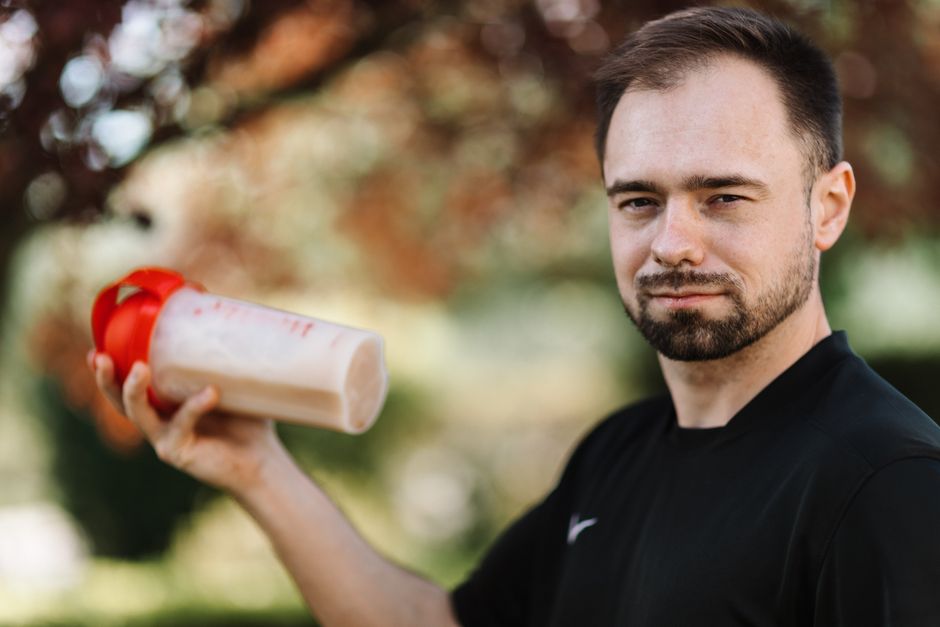
When you drink a protein shake for weight loss matters less than most people think. What matters more is whether the shake replaces something you would otherwise eat, how many calories it adds to your day, and whether it keeps you full long enough to eat less later. Timing can help, but it is a small lever compared with total calorie intake.
Protein shakes are a tool, not a switch. They can make it easier to hit a protein target and stay satisfied between meals. They can also quietly add several hundred calories a day if you drink them on top of your normal meals. The difference between those two outcomes is mostly planning, not the clock.
Does the timing of a protein shake actually matter for weight loss?
Weight loss comes down to a sustained calorie deficit. Protein supports that by helping you feel full and by helping preserve lean muscle while you lose fat. Neither of those effects depends heavily on the exact hour you drink the shake.
What the timing changes is your appetite and your eating pattern. A shake consumed between meals can blunt hunger before you reach for a snack. A shake consumed right after a meal adds calories on top of an already full stomach. Same drink, different effect.
There is a popular idea that a “metabolic window” makes protein after exercise far more valuable. The evidence does not support a narrow window for general health or weight loss. Total daily protein intake matters more than the minutes after a workout. Some research suggests that spreading protein across the day in even amounts may support muscle maintenance better than loading it all into one meal, though the findings are not uniform.
One clarification worth knowing: your body does not store protein the way it stores fat. It uses what it needs and oxidizes the rest. That is why a shake is not “saved up” for later muscle growth. It is used when you drink it.
When is the best time to drink protein shakes for weight loss?
The most useful time is whenever the shake replaces a higher-calorie food or prevents an unplanned snack. For many people that means one of three moments.
- As a meal replacement — a shake with protein, some fiber, and a source of fat can stand in for a rushed breakfast or lunch. This works best when it genuinely substitutes for a meal rather than sitting alongside one.
- As a between-meal snack — a shake in the mid-afternoon can head off the vending machine or the pantry raid. Protein is generally more satiating than fat or carbohydrate at the same calorie level.
- After exercise — convenient and reasonable, especially if you are not otherwise eating protein around your workout. It is not magic, but it is a practical anchor.
The timing that tends to backfire is drinking a shake right before bed in addition to a full day of eating, or drinking one immediately before a meal. In both cases you are adding calories without reducing hunger or replacing anything. That is how a weight-loss tool becomes a weight-gain tool.
How many calories are in a protein shake?
The calorie count varies enormously, and this is where many people get caught out. A plain whey or plant protein powder mixed with water can be relatively modest. A ready-to-drink shake, a smoothie-style blend, or a shake made with milk, banana, peanut butter, and honey can climb much higher.
Read the label on the actual product you use, and count what you add to it. The powder is only part of the drink. This is not a small detail — the add-ins can easily double or triple the calorie content.
| Type of shake | Rough calorie range |
|---|---|
| Protein powder + water | Low (varies by product; check label) |
| Ready-to-drink shake | Moderate to high (check label) |
| Powder + milk | Higher than powder + water |
| Powder + milk + fruit + nut butter | Can approach a full meal or more |
The exact numbers depend on the product and the portion. There is no single figure that applies to all shakes, so treat the label as the source of truth. A shake that fits a weight-loss plan and one that undermines it can look identical in the glass.
Do protein shakes help you lose weight or just add calories?
Both outcomes are possible, and the deciding factor is substitution versus addition. When a shake replaces a meal or a snack of equal or greater calories, it can support weight loss by making the calorie deficit easier to maintain. When it is added on top of your usual intake, it works against you.
Protein itself has a real advantage for appetite. It tends to be more filling per calorie than fat or refined carbohydrate, and it takes more energy to digest. Some studies suggest higher-protein diets can help people feel satisfied on fewer calories. But a shake is not automatically a weight-loss food — it is a calorie-containing drink like any other.
The evidence on meal-replacement shakes specifically is mixed but not empty. Some trials show modest weight loss when shakes substitute for meals within a structured plan. The results tend to depend on the overall diet, not the shake alone. No large trial has shown that shakes cause weight loss independent of calorie balance.
How much protein do you need, and can shakes fit into it?
General adult protein recommendations are well established. The standard dietary reference is roughly 0.8 grams of protein per kilogram of body weight per day for healthy adults. For a person weighing 70 kilograms (about 154 pounds), that is around 56 grams a day.
People trying to lose weight or preserve muscle sometimes aim higher, and some clinicians recommend more. The evidence for higher intakes during weight loss is reasonable but not settled, and individual needs vary with age, activity, health status, and kidney function. Anyone with kidney disease should talk to a clinician before increasing protein.
Shakes are simply a convenient way to reach that target. If you already eat enough protein from food, a shake is optional. If you struggle to hit your target, a shake can fill the gap with less effort than cooking. Neither approach is superior on its own — what matters is the total and the calorie cost.
What should you watch out for with protein shakes?
Several practical issues deserve attention. First, added sugar. Many flavored powders and ready-to-drink shakes contain substantial sugar, which adds calories without adding protein. Check the label for protein per serving and sugar per serving together.
Second, the “health halo” problem. Products marketed for fitness are not automatically low-calorie or nutritionally complete. A shake is not a multivitamin, and it is not a substitute for whole foods across the day. It is one item in a diet.
Third, digestive tolerance. Some people experience bloating or discomfort with certain protein powders, particularly whey or sugar alcohols used as sweeteners. Plant-based options exist but vary in amino acid profile and texture.
Fourth, and most important for weight loss: a shake does not teach you to eat differently. If the goal is lasting weight loss, the shake is a support, not a solution. The habits around it — portion awareness, regular meals, and a calorie deficit you can sustain — do the heavy lifting.
Can you drink protein shakes every day?
For most healthy adults, daily protein shakes are not inherently harmful, and many people use them routinely. The concern is not the shake itself but what it displaces and how many calories it contributes.
If a daily shake replaces a less nutritious meal or snack and helps you stay within your calorie target, it fits. If it sits on top of a full diet, it adds up. People with kidney conditions, pregnant or breastfeeding women, and children should not treat protein shakes as a casual daily habit without clinical guidance. No clinical guidelines currently exist for protein shake use in these groups, so individual advice from a clinician is the right approach.
The bottom line is unglamorous. Drink the shake when it helps you eat less overall, not because a clock says so. Choose a product with a sensible calorie and sugar profile. Count what you add. And remember that the shake is a small part of a larger pattern.
Frequently Asked Questions
Is it better to drink a protein shake before or after a workout?
After is fine for convenience, but the difference is small. Total daily protein intake matters more than the exact timing around exercise.
Can protein shakes replace meals for weight loss?
They can substitute for a meal within a structured plan, and some trials show modest weight loss with meal-replacement shakes. The results depend on your overall diet and calorie intake, not the shake alone.
Do protein shakes make you gain weight?
They can if they add calories on top of what you already eat. A shake supports weight loss when it replaces higher-calorie food, not when it is added to a full diet.
How many calories should a weight loss protein shake have?
There is no single recommended number, because products vary widely and add-ins change the total. Check the label and count what you mix in, then fit it into your daily calorie target.
