
Sciatica is pain that travels along the sciatic nerve, which runs from your lower back down through your buttock and into your leg. Most cases improve on their own within a few weeks with rest, gentle movement, and over-the-counter pain relief. You should see a neurologist for sciatica when the pain lasts more than six weeks despite home treatment, or when you have symptoms like leg weakness, numbness that spreads, or loss of bladder or bowel control.
What Does a Neurologist Do for Sciatica?
A neurologist is a doctor who specializes in the nervous system, including the spinal cord and the nerves that branch out from it. The sciatic nerve is the longest and thickest nerve in the body, so it falls directly within a neurologist’s area of expertise.
When you see a neurologist for sciatica, they will take a detailed history and perform a focused neurological exam. They will test your reflexes, muscle strength, sensation, and coordination. This exam helps them determine exactly which nerve root is affected and how severely.
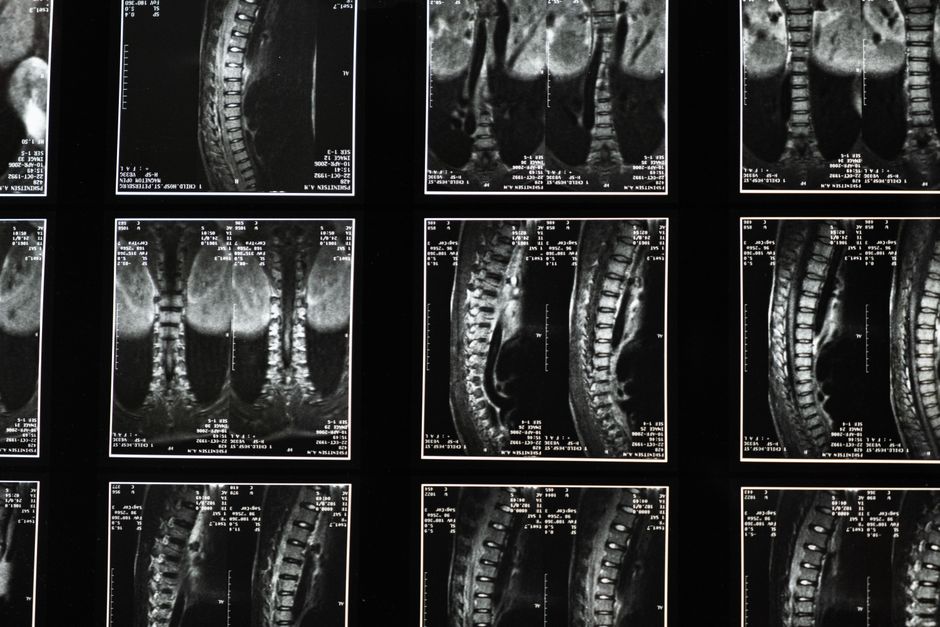
Neurologists also order and interpret diagnostic tests. The most common test for sciatica is an MRI of the lumbar spine. An MRI shows the soft tissues of your spine, including the discs and nerves, so the neurologist can see if a herniated disc or bone spur is pressing on a nerve root.
Neurologists treat sciatica with medications, nerve blocks, and physical therapy referrals. They do not perform back surgery. If surgery becomes necessary, they will refer you to a neurosurgeon or an orthopedic spine surgeon.
What Are the Red Flag Symptoms That Require Immediate Care?
Some symptoms require urgent medical attention, not just a routine appointment. These are called red flag symptoms because they may indicate a serious condition that needs immediate treatment.
Cauda equina syndrome is the most serious condition associated with sciatica. It happens when the bundle of nerves at the very bottom of the spinal cord becomes compressed. Symptoms include loss of bladder or bowel control, numbness in the groin or saddle area, and weakness in both legs. This is a medical emergency. If you have these symptoms, go to an emergency room immediately.
Sudden, severe weakness in your foot or leg is another red flag. If you cannot walk on your heel or toes, or if your foot drops when you lift your leg, seek care right away. This can indicate severe nerve compression that may cause permanent damage if not treated quickly.
Other red flags include pain that follows a fall or injury, fever with back pain, unexplained weight loss, or a history of cancer. These symptoms need prompt evaluation to rule out fractures, infections, or other serious causes.
When Should I See a Neurologist for Sciatica That Is Not an Emergency?
Most people with sciatica do not need to see a neurologist right away. Your primary care doctor can manage the early stages of sciatica. But there are clear situations where a neurologist referral makes sense.
If your pain has not improved after four to six weeks of conservative treatment, a neurologist can help. Conservative treatment includes over-the-counter anti-inflammatory medications, heat or ice, gentle stretching, and avoiding activities that worsen the pain. If these measures have not helped, further evaluation is warranted.
You should also see a neurologist if you have progressive neurological symptoms. This means symptoms that are getting worse over time, not staying the same. Progressive leg weakness, increasing numbness, or reflexes that are becoming abnormal all warrant a neurologist’s evaluation.
If you have had sciatica before and it keeps coming back, a neurologist can help identify why. Recurrent sciatica may indicate an underlying structural problem that needs more targeted treatment.
People with diabetes or other conditions that affect the nerves should see a neurologist sooner. These conditions can complicate sciatica and make the diagnosis less straightforward.





What Tests Will a Neurologist Order?
The neurologist will start with a clinical exam. This includes checking your reflexes, testing muscle strength in your legs and feet, and assessing your ability to feel light touch, pinprick, and vibration. They may perform specific maneuvers that reproduce your pain, such as the straight leg raise test.
If the clinical picture is clear and consistent with sciatica, the neurologist may not order any tests initially. They may recommend a course of treatment and ask you to return for follow-up. This is common practice when symptoms are typical and there are no red flags.
If your symptoms do not improve with initial treatment, or if the exam shows concerning findings, the neurologist will order imaging. An MRI of the lumbar spine is the gold standard for evaluating sciatica. It can show herniated discs, spinal stenosis, and other structural causes of nerve compression.
In some cases, the neurologist may order nerve conduction studies and electromyography, often called EMG. These tests measure how well electrical signals travel through your nerves and how well your muscles respond. They can confirm nerve damage and help determine its severity.
What Treatments Can a Neurologist Offer?
Neurologists have several treatment options for sciatica. The right choice depends on the cause of your pain and how severe your symptoms are.
Medications are often the first line of treatment. Over-the-counter options like ibuprofen or naproxen reduce inflammation and pain. If these are not enough, the neurologist may prescribe stronger anti-inflammatory medications, muscle relaxants, or medications that target nerve pain specifically, such as gabapentin or pregabalin.
Physical therapy is a core part of sciatica treatment. The neurologist can refer you to a physical therapist who specializes in spine conditions. Physical therapy focuses on strengthening your core and back muscles, improving flexibility, and teaching you how to move in ways that protect your spine.
Some neurologists perform or coordinate interventional procedures. Epidural steroid injections deliver anti-inflammatory medication directly into the space around the spinal nerves. These injections can provide significant pain relief for weeks or months, giving you time to do physical therapy and let the nerve heal.
Neurologists do not perform surgery, but they can tell you if surgery is likely to help. Surgery for sciatica is generally reserved for people with severe weakness, progressive neurological symptoms, or pain that does not respond to conservative treatment after a significant period of time.
How Is Sciatica Different From General Back Pain?
Sciatica is a specific type of pain caused by irritation of the sciatic nerve. General back pain can come from muscles, ligaments, joints, or bones. The two feel different and have different treatment approaches.
Sciatica typically causes pain that radiates down one leg, often following a specific path from the buttock down the back of the thigh and into the calf or foot. You may also feel numbness, tingling, or a burning sensation in the leg. The pain is often worse with sitting, coughing, or sneezing because these actions increase pressure on the nerve.
General back pain usually stays in the lower back and does not radiate down the leg. It may be a dull ache or a sharp pain that worsens with movement. Muscle spasms in the back are common with general back pain but not typical of sciatica.
Understanding the difference matters because it guides treatment. Sciatica responds well to treatments that reduce nerve compression and inflammation. General back pain may respond better to different types of therapy, such as manual therapy or specific exercise programs.
Can Sciatica Resolve Without Medical Treatment?
Yes, most cases of sciatica resolve without medical treatment. Research consistently shows that the majority of people with sciatica improve within four to six weeks, and most recover completely within three months. The body has a remarkable ability to heal a herniated disc or reduce inflammation around a nerve.
This does not mean you should ignore your symptoms. Home treatment can help you stay comfortable while your body heals. Over-the-counter anti-inflammatory medications, alternating heat and ice, and gentle stretching are reasonable first steps. Staying active within your pain limits is better than bed rest, which can weaken your muscles and slow recovery.
But improvement is not guaranteed. Some people have persistent symptoms that do not respond to conservative care. If your pain is not improving after several weeks, or if it is getting worse, medical evaluation is appropriate. Waiting too long can allow nerve damage to become permanent.
The evidence is clear that early intervention is not always necessary, but neither is suffering needlessly. If home treatment is not working, see your doctor. They can help you decide whether a neurologist referral is the right next step.
Frequently Asked Questions
Can a neurologist cure sciatica?
A neurologist can diagnose the cause of your sciatica and provide treatments that relieve pain and promote healing, but there is no guaranteed cure. Most people recover fully with a combination of medication, physical therapy, and time.
How long should I wait before seeing a neurologist for sciatica?
Most guidelines suggest trying conservative treatment for four to six weeks before seeking specialist care. If you have red flag symptoms like bladder or bowel changes or sudden leg weakness, do not wait.
Will I need surgery if I see a neurologist for sciatica?
No, most people with sciatica never need surgery. A neurologist will recommend surgery only if you have severe weakness, progressive neurological symptoms, or pain that does not respond to other treatments.
What is the difference between a neurologist and an orthopedic doctor for sciatica?
A neurologist focuses on the nervous system and is best for evaluating nerve damage and managing nerve-related symptoms. An orthopedic doctor focuses on the musculoskeletal system and may be preferred if your condition involves significant bone or joint problems.
