
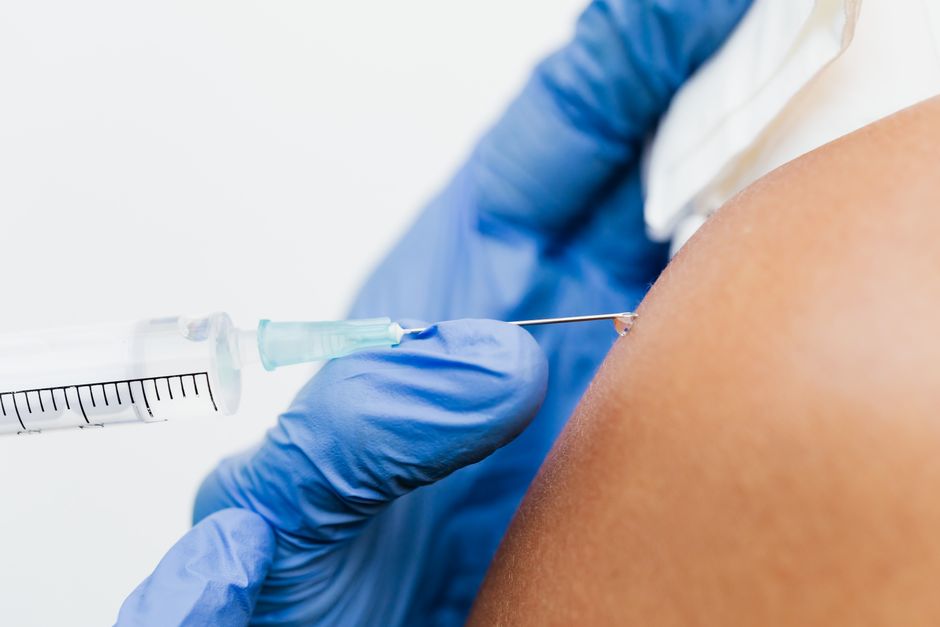
The shingles vaccine is given in two doses. The second dose is not optional — it is required for full protection. You should get your second shot 2 to 6 months after your first dose. That timing window is the official recommendation, and it applies to most healthy adults.
Why the Second Shingles Shot Matters
The shingles vaccine used in the United States is called Shingrix. It is a recombinant vaccine, which means it does not contain live virus. It is given as two separate injections into the upper arm.
The first dose starts your immune response. The second dose strengthens it. Without the second dose, your protection against shingles is significantly lower and may not last.
Shingles itself is caused by the varicella-zoster virus — the same virus that causes chickenpox. After you recover from chickenpox, the virus stays dormant in your nerve tissue. Years later, it can reactivate and cause shingles. The rash is painful, and for some people the pain lasts months or even years after the rash heals. That condition is called postherpetic neuralgia.
The vaccine does not guarantee you will never get shingles. But clinical trials show it reduces the risk substantially. It also reduces the risk of long-term nerve pain in people who do get shingles.
When Should I Get My Second Shingles Shot
The recommended interval between the first and second dose is 2 to 6 months. That means you should schedule your second appointment no earlier than 8 weeks after the first shot and no later than 6 months after it.
If you miss that 6-month window, you do not need to restart the series. Get the second dose as soon as you can. The vaccine is still effective even if more than 6 months have passed.
There is one exception to the standard timing. People with weakened immune systems — including those undergoing chemotherapy, organ transplant recipients, or people taking certain immunosuppressive medications — may receive the second dose sooner. For this group, the second dose can be given 1 to 2 months after the first. This is a clinical decision made by a doctor.
Who Should Get the Shingles Vaccine
The Centers for Disease Control and Prevention recommends Shingrix for adults aged 50 and older. It is also recommended for adults aged 19 and older who have weakened immune systems.
You should get the vaccine even if you have already had shingles. Having shingles once does not protect you from getting it again. In fact, you can get shingles multiple times.
You should also get the vaccine if you received the older shingles vaccine called Zostavax. That vaccine was a single-dose live vaccine. It was less effective and its protection faded over time. If you had Zostavax, you should still get the two-dose Shingrix series.
The vaccine is safe for people who do not remember having chickenpox. More than 99% of Americans over age 40 have had chickenpox, even if they do not remember it. Testing for prior chickenpox infection is not needed before vaccination.




Who Should Not Get the Shingles Vaccine
Some people should not get Shingrix. If you have had a severe allergic reaction to a previous dose of Shingrix, do not get another dose. If you have a severe allergy to any component of the vaccine, talk to your doctor.
If you are currently experiencing a shingles outbreak, wait until the rash has resolved before getting vaccinated. The vaccine is not a treatment for an active case of shingles.
Pregnant women should not get Shingrix. The vaccine has not been studied in pregnant women, and the manufacturer recommends avoiding it during pregnancy. If you are breastfeeding, talk to your doctor about timing.
If you are sick with a moderate or severe illness, wait until you recover. A mild cold is not a reason to delay vaccination.
What to Expect After the Second Shot
Side effects from the second dose are common. Many people report more side effects after the second dose than the first. This is a sign that your immune system is responding.
The most common side effects include:
- Pain, redness, or swelling at the injection site
- Muscle pain
- Fatigue
- Headache
- Fever
- Nausea
These side effects usually last 2 to 3 days. Some people feel well enough to go about their normal day. Others need to take a day off work. Plan your appointment for a time when you can rest afterward if needed.
Serious side effects are rare. In clinical trials, a small number of people experienced a severe allergic reaction. That is why you should stay at the clinic for 15 minutes after your shot — standard practice for all vaccines.
There is no evidence that Shingrix causes long-term health problems. The vaccine has been in use since 2017 and has been given to millions of people worldwide.
How Effective Is the Vaccine After Both Doses
Clinical trial data show that Shingrix is more than 90% effective at preventing shingles in adults aged 50 and older. Protection remains high for at least 7 years after vaccination.
For adults aged 70 and older, effectiveness is slightly lower but still substantial — around 89% in clinical trials. The vaccine also reduces the risk of postherpetic neuralgia by more than 90% in people who do develop shingles.
Effectiveness is lower in people with weakened immune systems. But even in this group, the vaccine provides meaningful protection and is recommended by health authorities.
It is not yet known how long protection lasts beyond 7 years. Studies are ongoing. If booster doses are ever needed, health authorities will issue updated guidance.
Does Insurance Cover the Second Dose
Most insurance plans cover Shingrix, including the second dose. Medicare Part D covers the vaccine for beneficiaries. Medicaid coverage varies by state, but the vaccine is generally covered for adults who meet the age or medical criteria.
If you are paying out of pocket, the cost is significant. A single dose of Shingrix costs roughly $200 or more, not including the administration fee. The second dose means a second payment.
Before your appointment, call your insurance provider to confirm coverage. Some pharmacies can check your coverage for you. If cost is a barrier, talk to your doctor. Some health departments and community clinics offer vaccines at reduced cost.
Missing the second dose because of cost is understandable, but it leaves you with incomplete protection. Ask about payment options before skipping the shot.
What Happens If You Miss the Second Dose
Life gets busy. Appointments get rescheduled. If you miss the 6-month window, do not panic.
You do not need to restart the series. The CDC guidance is clear: the second dose should be administered as soon as possible, regardless of how much time has passed. There is no maximum interval beyond which the second dose becomes ineffective.
Your immunity after one dose is lower than after two doses. One dose provides some protection, but it is not enough for the long-term protection the vaccine is designed to give. Getting the second dose late is far better than not getting it at all.
If you have lost track of when you received your first dose, check your vaccination record. Your pharmacy, doctor’s office, or state immunization registry can help you find it. If you truly cannot determine the date, your doctor can help you decide the best course of action.
Frequently Asked Questions
Can I get the second shingles shot earlier than 2 months?
For most people, no — the minimum interval is 2 months between doses. People with weakened immune systems may qualify for a shorter interval of 1 to 2 months, but that requires a doctor’s recommendation.
What if I got my first shingles shot more than 6 months ago?
Get the second dose as soon as possible. You do not need to restart the series, and the vaccine remains effective even with a longer gap between doses.
Can I get the second shingles shot at a different pharmacy than the first?
Yes. Any pharmacy or clinic that carries Shingrix can administer the second dose. Bring your vaccination record so they can confirm the date of your first dose.
Is it normal to feel sick after the second shingles shot?
Yes. Side effects like fatigue, muscle aches, headache, and fever are common after the second dose. They typically resolve within 2 to 3 days.
The shingles vaccine is one of the most effective vaccines available for adults. But it only works as designed when you complete both doses. Schedule your second appointment today if you are within the 2-to-6-month window — or make the appointment now if you have already passed it.
