
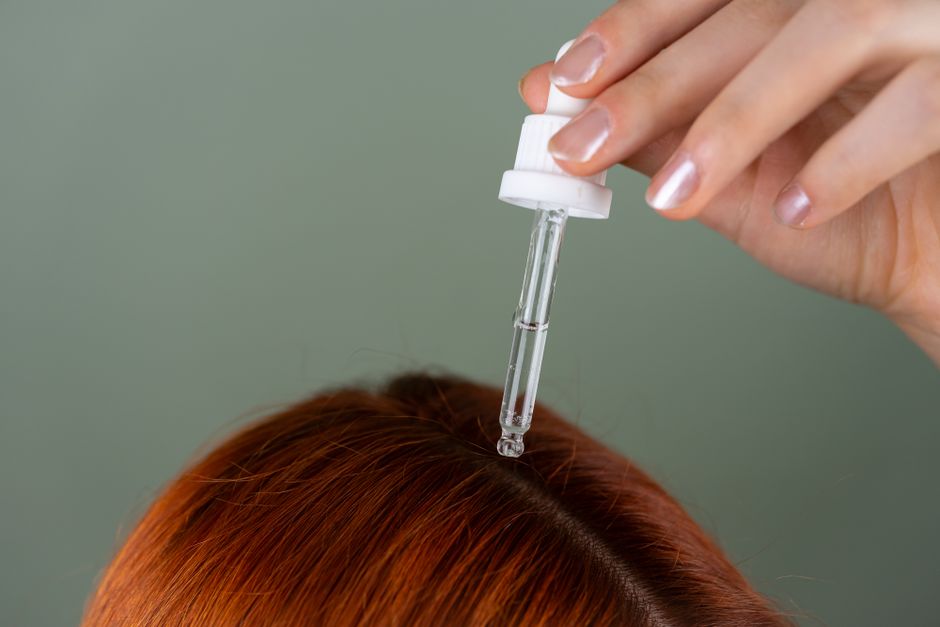
Applying oil to wet hair helps seal in moisture and reduces frizz, while applying it to dry hair is better for adding shine, taming flyaways, and protecting the hair shaft. The best choice depends on your hair type, the oil you are using, and the result you want. For most people with curly, coily, or thick hair, oil on damp hair works best. For fine or straight hair, a small amount on dry hair avoids weighing it down.
What Does Hair Oil Actually Do?
Hair oil does not add moisture to your hair. This is a common misunderstanding. Oil is a sealant, not a hydrator. It works by coating the hair shaft and reducing the amount of water that escapes from the hair.
Your hair absorbs water best when it is clean and wet. Once that water is inside the hair, oil can help lock it in. If you apply oil to dry hair, there is no water to lock in. The oil simply sits on the surface and adds shine.
This distinction matters more than most people realize. The order of your routine changes what the oil can actually do for you.
When Should I Apply Oil To My Hair Wet Or Dry: The Short Answer
Apply oil to wet or damp hair when your goal is moisture retention and frizz control. Apply oil to dry hair when your goal is shine, smoothing, or heat protection.
Wet hair has an open cuticle. The outer layer of the hair shaft lifts slightly when wet. This makes it easier for oil to penetrate and also makes the hair more fragile. Dry hair has a closed cuticle, so oil stays mostly on the surface.
There is no single right answer for everyone. The table below breaks down the main differences.
| Factor | Wet or Damp Hair | Dry Hair |
|---|---|---|
| Main benefit | Seals in moisture, reduces frizz | Adds shine, smooths flyaways |
| Best for | Thick, curly, coily, or dry hair | Fine, straight, or oily hair |
| Amount needed | More oil can be used safely | Very small amount only |
| Risk | Hair may feel heavy if too much is used | Can look greasy quickly |
| Absorption | Some penetration into the shaft | Stays mostly on the surface |
Why Wet Hair Absorbs Oil Differently
Hair is made of a protein called keratin. The outer layer, called the cuticle, acts like shingles on a roof. When hair is wet, those shingles lift slightly. This allows products like oil to move deeper into the hair structure.
When hair dries, the cuticle lies flat again. Oil applied to dry hair cannot move past that outer layer easily. It coats the surface instead.
There is an important warning here. Wet hair is at its weakest state. The hair shaft stretches more easily when wet and is more likely to break. Rubbing oil into sopping wet hair with force can cause damage. The safest approach is to gently squeeze excess water out first and apply oil to damp hair, not dripping wet hair.





Which Oils Work Best on Wet Hair
Heavier oils are better suited for damp hair because they seal moisture effectively. These oils have larger molecules that sit on the hair and create a protective layer.
- Coconut oil is one of the few oils that research has shown can penetrate the hair shaft. A well-known study published in the Journal of Cosmetic Science found that coconut oil reduces protein loss from hair. This makes it a strong choice for damp hair application.
- Shea butter and castor oil are thick and heavy. They work well on very dry or coarse hair types when applied to damp hair.
- Avocado and olive oil are medium-weight options that work for normal to thick hair.
These oils are best applied in small sections. Work the oil through the mid-lengths and ends first. The scalp produces its own natural oil, so adding more there is rarely necessary.
Which Oils Work Best on Dry Hair
Lighter oils are better for dry hair application because they do not weigh hair down. These oils absorb quickly and leave less residue.
- Argan oil is lightweight and commonly used for shine and frizz control on dry hair.
- Jojoba oil is technically a wax ester. Its structure is similar to the natural sebum your scalp produces. It spreads easily and does not feel greasy.
- Grapeseed oil is very light and works well for fine hair types.
For dry hair application, use a very small amount. A few drops is often enough for the entire head. Rub the oil between your palms first, then smooth it over the surface of your hair. Focus on the ends, which are the oldest and most damaged part of the hair.
How Hair Type Changes the Answer
Your hair texture is the single biggest factor in deciding when to oil your hair.
Fine or straight hair produces sebum that travels easily down the hair shaft. Adding oil on wet hair can make it look flat and greasy within hours. A tiny amount of lightweight oil on dry ends is usually safer.
Curly and coily hair has a harder time distributing natural oils from the scalp to the ends. The bends and curves in the hair shaft slow down that natural oil movement. This is why textured hair tends to be drier. Applying oil to damp hair after washing helps replace what the hair cannot produce on its own.
Thick hair can usually handle heavier oils and larger amounts. Thin hair cannot. If your hair feels weighed down after oiling, reduce the amount or switch to a lighter oil.
How to Apply Oil to Wet Hair Correctly
If you decide wet application is right for you, the technique matters.
Start with freshly washed hair. Gently squeeze out excess water with a towel. Your hair should be damp, not dripping. Then follow these steps:
- Warm a small amount of oil between your palms.
- Part your hair into sections.
- Apply the oil from the middle of each section down to the ends.
- Do not rub the oil into the scalp unless your scalp is very dry.
- Style as usual or let hair air dry.
For deep conditioning, you can apply oil to damp hair and leave it on for 30 minutes before washing. This is called a pre-shampoo treatment or oil mask. Some research suggests this can reduce protein loss and improve hair strength, but results vary by oil type and individual hair condition.
How to Apply Oil to Dry Hair Correctly
Dry application is simpler but easier to overdo.
Use the smallest amount you can. One to three drops is a reasonable starting point for most people with shoulder-length hair. Rub the oil between your palms and smooth it over the surface of your hair. Never pour oil directly onto your head.
Dry hair oiling is useful for:
- Adding shine before an event
- Taming flyaways and static
- Protecting hair from heat styling tools
- Refreshing styled hair between washes
If you use heat tools, apply a heat protectant product first and let it dry. Oil alone is not a sufficient heat protectant. Some oils have a low smoke point and can actually cook onto the hair at high temperatures.
Common Mistakes to Avoid
Several mistakes are extremely common and easy to fix.
Using too much oil. More oil does not mean more benefit. Excess oil attracts dirt and dust. It can also clog the scalp follicles over time.
Applying oil to a dirty scalp. Oil does not clean. Applying it to a dirty scalp can trap oil, sweat, and product buildup against the skin.
Oiling the scalp when you do not need to. Most people produce enough natural sebum. Adding more oil to the scalp can lead to buildup and irritation.
Using the wrong oil for your hair type. Heavy oils on fine hair will always look greasy. Light oils on very coarse hair may not provide enough moisture sealing.
Does Hair Oil Help With Hair Growth?
This is a question that comes up constantly. The evidence is limited.
Some oils, like rosemary oil, have shown promise in small studies for improving hair growth. One clinical trial compared rosemary oil to a common hair growth medication and found similar improvements over six months. However, this was a single study with a small number of participants.
Most other oils have not been shown to stimulate hair growth directly. What they can do is improve the condition of the hair you already have. Healthier hair breaks less and looks fuller. That is not the same as new growth, but it can look like it.
No oil will regrow hair in areas that are balding. If you are experiencing significant hair loss, see a dermatologist. That is a medical issue that needs a proper diagnosis.
Can You Leave Oil in Your Hair Overnight?
Yes, but it depends on the oil and your hair type.
Lighter oils like jojoba or argan can be left in overnight without issue for most people. Heavier oils like castor oil are very thick and can be difficult to wash out. Leaving heavy oils in for too long can attract dust and cause buildup.
If you do an overnight oil treatment, protect your pillowcase with a towel or wear a satin or silk bonnet. Wash the oil out thoroughly in the morning. Some people find that leaving oil on for more than a few hours makes their hair feel stiff or waxy.
Frequently Asked Questions
Is it better to put oil on wet or dry hair?
Wet or damp hair is better for sealing in moisture and reducing frizz. Dry hair is better for adding shine and smoothing the hair surface.
Can I apply oil to my hair every day?
Daily oiling is safe for very dry hair types, but most people only need it once or twice a week. Over-oiling can cause buildup and make hair look greasy.
Which oil is best for hair growth?
Rosemary oil has the most research support for hair growth, though the studies are small. Other oils improve hair condition but have not been proven to stimulate new growth.
Should I oil my scalp or just my hair?
Only oil your scalp if it is visibly dry or flaky. Most people only need oil on the mid-lengths and ends of the hair.
