
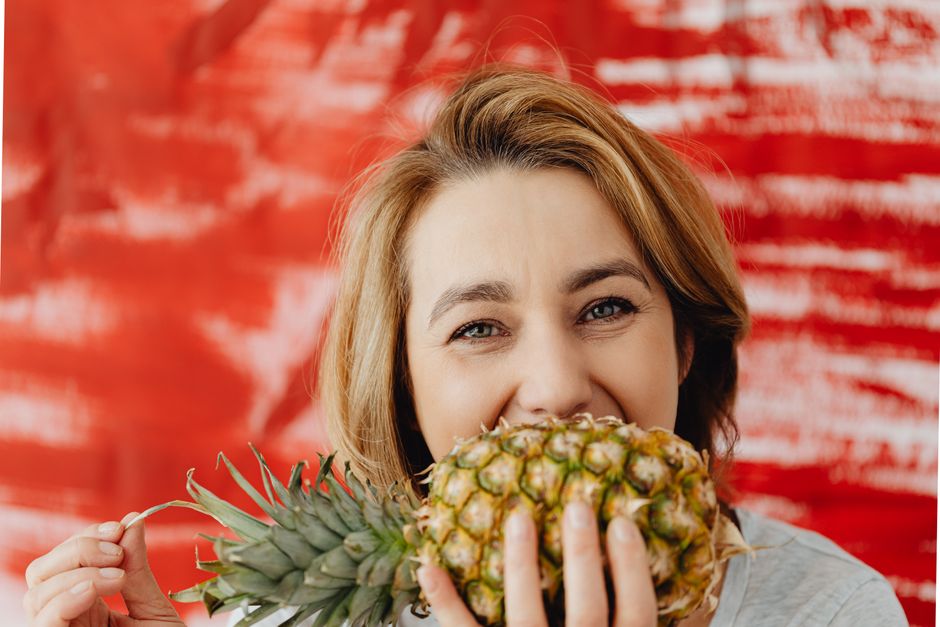
A pineapple is ready to pick when it has developed its full color, smells sweet at the base, and feels slightly soft when you press it. From planting to harvest, most pineapples take 18 to 24 months to produce a single fruit. The timeline shifts with variety, climate, and how the plant was started.
That long wait surprises most people. A pineapple plant is not a tree and not a bush that fruits every season. It grows one fruit, usually once, and the wait is measured in years rather than weeks.
When Is Pineapple Ready? The Full Timeline From Planting to Picking
A pineapple plant needs roughly 18 to 24 months from planting to a ripe fruit. The plant grows vegetatively for most of that time, then shifts into flowering, and the fruit itself matures over about five to six months after the flower appears.
The timeline breaks into clear stages:
- Rooting and early growth: a few months while the crown, slip, or sucker establishes.
- Vegetative growth: the bulk of the two years. The plant builds leaves and stores energy. This is when it looks like it is doing nothing.
- Flowering: a flower stalk rises from the center. This is the turning point.
- Fruit development: roughly five to six months from flowering to ripe fruit.
Growers sometimes force earlier flowering with ethylene, a natural plant hormone. Commercial farms do this to sync harvests. A home grower can trigger flowering by placing a ripe apple near the plant in a sealed space, since apples release ethylene. This speeds the timeline but does not change how long the fruit itself takes to ripen once it forms.
A plant started from a crown cut off a store-bought pineapple usually takes longer than one started from a slip or sucker. Crowns are slower to reach fruiting size. Suckers, which sprout from the base of a mature plant, are already partway along and tend to fruit sooner.
What Are the Signs a Pineapple Is Ripe and Ready to Harvest?
Color, smell, and firmness together tell you a pineapple is ready. No single sign is reliable on its own, and the most common mistake is picking too early based on color alone.
Here is what to check:
- Color: the green shell turns yellow, starting at the base and moving up. A fully ripe fruit is mostly golden. Some varieties stay green even when ripe, so color is a guide, not a rule.
- Smell: a ripe pineapple has a sweet, distinct aroma at the base. No smell usually means underripe. An overpowering, fermented smell means overripe.
- Firmness: press the base gently. It should give slightly, like a ripe peach, but not feel mushy.
- Weight: a ripe fruit feels heavy for its size, a sign of high juice content.
- Leaf test: on some varieties, a healthy center leaf pulls free with mild resistance when the fruit is close to ripe. This is a rough indicator, not a precise one.
An important point most people miss: a pineapple does not ripen much after it is cut. Unlike a banana or a pear, it will not sweeten significantly on the counter. It may soften and become more acidic, but the sugar content is largely set at harvest. That makes the harvest decision final. Pick too early and you are stuck with a tart fruit.
How Long Does a Pineapple Take to Ripen After It Flowers?
Once the flower appears, expect about five to six months before the fruit is ready. This is the most predictable part of the whole process. The long, uncertain stretch is the vegetative growth before flowering, not the fruit stage.
During those months the fruit grows from a small green nub into the full-sized pineapple. It stays green for most of this time. The color change comes late, usually in the final weeks. Watching for color too early leads to false hope and early picking.
Temperature matters here. Pineapples grow best in warm conditions, and cool weather slows fruit development. In a cooler climate, the fruit stage can stretch longer than six months. In tropical heat, it may finish closer to five. A home grower in a temperate zone growing the plant indoors or in a pot should expect the slower end of the range.
What Does a Ripe Pineapple Look and Feel Like Compared to an Unripe One?
A ripe pineapple is golden, fragrant, and slightly soft at the base. An unripe one is green, odorless, and firm all the way through. The differences are easy to spot once you know what to compare.
| Feature | Unripe | Ripe |
|---|---|---|
| Color | Mostly green, dark | Yellow to golden, starting at base |
| Smell at base | None or faint green scent | Sweet, distinct aroma |
| Firmness at base | Hard, no give | Slight give, like a ripe peach |
| Weight | Light for its size | Heavy for its size |
| Leaves | Firm, tightly held | Center leaf may pull free with mild resistance |
The base is where you check. Ripening starts there and moves up. A pineapple that is yellow at the top but hard and green at the base is not ready. Judge from the bottom up, not the top down.
Can You Ripen a Pineapple After Picking It?
A pineapple will not ripen further once it is cut from the plant. This is the key fact that separates it from many other fruits. What you pick is close to what you get.
The reason comes down to how the fruit stores sugar. A pineapple builds its sugars while still attached to the plant. Once harvested, it has no way to convert more starch into sugar, and it does not continue ripening the way a climacteric fruit like a banana does. It may soften slightly and grow more acidic, but it will not get meaningfully sweeter.
This is why commercial growers harvest pineapples at near-full ripeness for local sale but pick them greener for long-distance shipping. A grocery store pineapple is often picked early so it survives transport. That is why a store-bought fruit can look golden and still taste flat compared to one picked ripe from a garden.
If you do end up with an underripe pineapple, you cannot fix it. You can use it in cooking where sweetness matters less, but no countertop trick will turn a tart pineapple sweet. Storing it near other fruit does nothing for its sugar content.
What Shortens or Delays the Pineapple Timeline?
Temperature, plant source, and water are the biggest factors. A pineapple in warm, sunny conditions with steady moisture moves through its stages faster than one in cool or shaded conditions.
Things that tend to speed things up:
- Warmth: tropical or greenhouse heat keeps growth steady year-round.
- Starting from a sucker or slip: these are further along than a crown.
- Full sun: pineapples need strong light to build the energy for fruiting.
- Forced flowering: ethylene from a ripe apple can trigger earlier flowering.
Things that tend to slow it down:
- Cool temperatures: growth stalls and the fruit stage stretches out.
- Starting from a crown: slower to reach fruiting size.
- Poor drainage: pineapples rot in waterlogged soil, which sets the plant back or kills it.
- Low light: a shaded plant may never gather enough energy to flower.
One thing worth knowing: a healthy pineapple plant usually produces one main fruit, then sends up side shoots called suckers. Those suckers can grow into new plants and fruit in a shorter time than the original, since they start from an established parent. So the two-year wait is mostly a first-time cost. After that, a well-managed patch can keep producing.
How Do You Know When to Harvest Without Cutting Too Soon?
Wait for all three signs, not just one. Color, smell, and a slight give at the base together are the most reliable signal. If you are unsure, give it a few more days. A pineapple left on the plant a little longer is far better than one picked a week early.
Harvest by cutting the fruit off with a clean, sharp knife, leaving a short stem. The plant will not fruit again from that same spot, but its suckers will carry on. Handle the fruit gently, since a ripe pineapple bruises easily.
For anyone growing a pineapple for the first time, the honest expectation is patience. Two years is a long time to wait for one fruit. But the harvest is predictable once flowering happens, and the signs of ripeness are clear once you know to check the base rather than the top.
Frequently Asked Questions
How long does it take for a pineapple to be ready after planting?
Most pineapples take about 18 to 24 months from planting to a ripe fruit. The fruit itself matures in roughly five to six months after the plant flowers.
How can you tell a pineapple is ripe?
A ripe pineapple is golden at the base, smells sweet, and gives slightly when you press the bottom. It also feels heavy for its size.
Does a pineapple ripen after you pick it?
No. A pineapple does not ripen or get sweeter after harvest, so it should be picked when it is already ripe. It may soften slightly but will not gain sugar.
Should I pick a pineapple when it turns yellow?
Yellow color is one sign, but check smell and firmness at the base too. Some varieties stay green even when ripe, so color alone is not reliable.
