
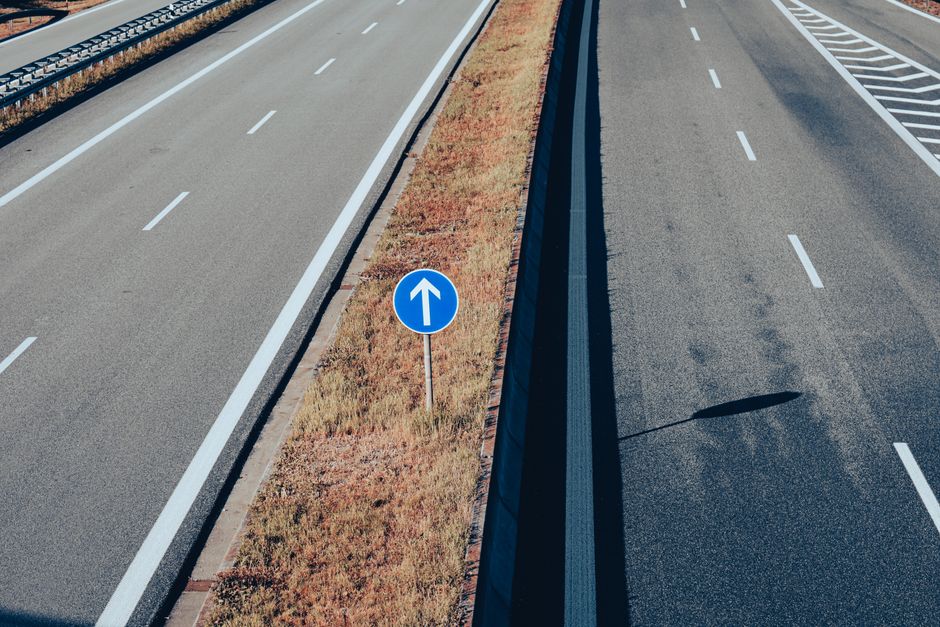
Merging onto an expressway is one of the most stressful maneuvers for many drivers, but it does not have to be dangerous. The safest way to enter an expressway is to match the speed of traffic before you reach the end of the acceleration lane, find a safe gap, and signal your intention clearly. You must yield to vehicles already on the expressway, but you should not stop unless traffic is completely stopped ahead of you.
What Is the First Step When Entering an Expressway?
Preparation begins before you ever reach the on-ramp. As you approach the expressway, check the traffic flow you are about to join. Look for gaps between vehicles and note the general speed of the traffic. This gives you a target speed to reach in the acceleration lane.
Turn on your turn signal early. This tells other drivers what you intend to do. Signal before you enter the acceleration lane, not halfway down it. Other drivers need time to react to your presence.
Check your mirrors frequently during the entire merge process. Glance over your shoulder to check your blind spot just before you move into the lane. A quick shoulder check is not optional — it is the only way to see vehicles that sit just outside your mirror range.
How Fast Should You Go in the Acceleration Lane?
The acceleration lane exists for one purpose: to let you match the speed of expressway traffic. If the expressway traffic is moving at 65 mph, you should be near 65 mph by the time you reach the end of the ramp. Entering at 45 mph when traffic moves at 65 mph creates a serious hazard because the speed difference forces other drivers to brake suddenly or change lanes to avoid you.
Accelerate smoothly and steadily. Do not floor the pedal and do not creep along. Use the full length of the lane to build speed. Short on-ramps may not give you enough room to reach full highway speed, especially in a less powerful vehicle or when merging uphill. In that case, do your best to get as close to traffic speed as possible while still maintaining control.
Check your speedometer as you accelerate. Some drivers underestimate how fast they are going, especially in vehicles with smooth engines and good sound insulation. Others overestimate and end up going too slow. A quick glance at the speedometer helps you calibrate correctly.
Where Should You Look When Merging?
Your attention must move in a pattern. Start by looking forward down the acceleration lane. Then check your rearview mirror to see what is behind you. Next check your side mirror for vehicles in the lane you plan to enter. Finally, turn your head to check the blind spot over your shoulder.
Repeat this pattern several times as you accelerate. Traffic conditions change quickly. A gap that looked open ten seconds ago may have closed. A vehicle may have moved into the lane you planned to enter.
Do not fixate on one spot. Some drivers stare at the vehicle directly ahead of them in the acceleration lane, missing the expressway traffic beside them entirely. Others watch only the expressway and forget to look forward, risking a collision with a slow vehicle or stopped traffic at the end of the ramp.





When Entering an Expressway, How Do You Find a Safe Gap?
A safe gap gives you enough room to move into the lane without forcing the driver behind you to brake. As a general rule, you want a gap of at least four seconds between the vehicle ahead and the vehicle behind when you merge. This means the car behind you is not closing on your bumper as you enter.
Judge gaps by watching the vehicles in the lane you are entering. If you see a vehicle approaching in that lane, estimate its speed relative to yours. If it is moving faster than you, it will reach you sooner than it appears. If it is moving slower, you may have more time than you think.
Adjust your speed to fit the gap. If the gap is ahead of you, accelerate slightly to reach it. If the gap is behind you, ease off the accelerator to let it come to you. Do not slam on the brakes in the acceleration lane unless you absolutely must — this creates a hazard for vehicles behind you on the ramp.
Should You Stop at the End of the Acceleration Lane?
Stopping at the end of an acceleration lane is dangerous and should be avoided in nearly all situations. When you stop, you force yourself to accelerate from zero while trying to merge into traffic moving at highway speed. This requires a much larger gap and puts you at risk of being hit from behind by another vehicle on the ramp.
There is one exception. If traffic on the expressway is completely stopped or moving very slowly, you may need to stop and wait for a gap to open. This happens during heavy congestion. In that case, stop at the end of the ramp, keep your turn signal on, and wait for a safe opening.
Some on-ramps have a yield sign rather than an acceleration lane. These require a different approach. You may need to slow down or stop to yield to expressway traffic because you do not have a dedicated lane to build speed. Treat these ramps with extra caution and look for a gap before entering.
What Mistakes Cause Most Merge Accidents?
The most common merging mistake is entering the expressway too slowly. Drivers who hesitate or fail to accelerate properly create a speed differential that other drivers do not expect. Rear-end collisions and sideswipes are the typical result.
Failing to check the blind spot is the second most common error. Many drivers rely only on mirrors, which do not show the area directly beside and slightly behind the vehicle. A shoulder check takes less than a second and prevents accidents that mirrors cannot.
Another frequent mistake is merging at the last possible moment. Some drivers stay in the acceleration lane until it physically ends, then force their way into traffic. This eliminates your options. If you merge earlier, you have room to adjust your speed if the gap closes.
Some drivers also fail to yield to traffic already on the expressway. Expressway traffic has the right of way. You must adjust your speed to fit into the flow, not expect others to move for you. Aggressive merging that forces other drivers to brake hard or swerve is both dangerous and illegal in most states.
How Does Merging Differ for Large Vehicles or Trucks?
Large vehicles need more time and distance to accelerate and merge. If you drive a truck, RV, or vehicle towing a trailer, you need a larger gap and a longer acceleration distance. Give yourself extra room and do not force a merge that feels tight.
If you drive a passenger car, be aware of large vehicles around you. Do not cut in front of a truck that is merging. Trucks cannot stop or slow down as quickly as cars, and they have large blind spots on both sides. Give them space and let them complete their merge.
Motorcycles present a different challenge. They are small and can be difficult to see in mirrors. Check twice before changing lanes. A motorcycle can easily hide in your blind spot even when you have checked once.
What Should You Do If You Miss Your Merge?
If you reach the end of the acceleration lane and cannot find a gap, the safest action depends on the situation. If traffic is moving and you have no gap, slow down slightly to create more time. Do not stop unless traffic ahead is stopped.
If you cannot merge safely at all, continue to the next exit. Missing your exit is inconvenient but never dangerous. Forcing a merge into a space that is too small is how accidents happen. Take the next exit, turn around, and try again.
Never back up on an on-ramp or expressway shoulder to correct a missed merge. This is extremely dangerous and illegal. A wrong exit costs you a few minutes. A backing maneuver on a highway can cost you your life.
Frequently Asked Questions
Who has the right of way when merging onto an expressway?
Vehicles already on the expressway have the right of way. You must yield to them and adjust your speed to enter a gap safely.
How fast should you go when merging onto the highway?
You should match the speed of expressway traffic by the time you reach the end of the acceleration lane. If traffic moves at 65 mph, aim to be near that speed before merging.
Is it illegal to stop at the end of an on-ramp?
Stopping at the end of an on-ramp is dangerous and often illegal when traffic is moving normally. You may stop only when expressway traffic is completely stopped or a yield sign requires you to give way.
What is the safest way to merge in heavy traffic?
Use the full acceleration lane to match speed, signal early, and adjust your speed to fit a gap rather than forcing your way in. If no gap appears, slow down and wait for one rather than stopping abruptly.
