
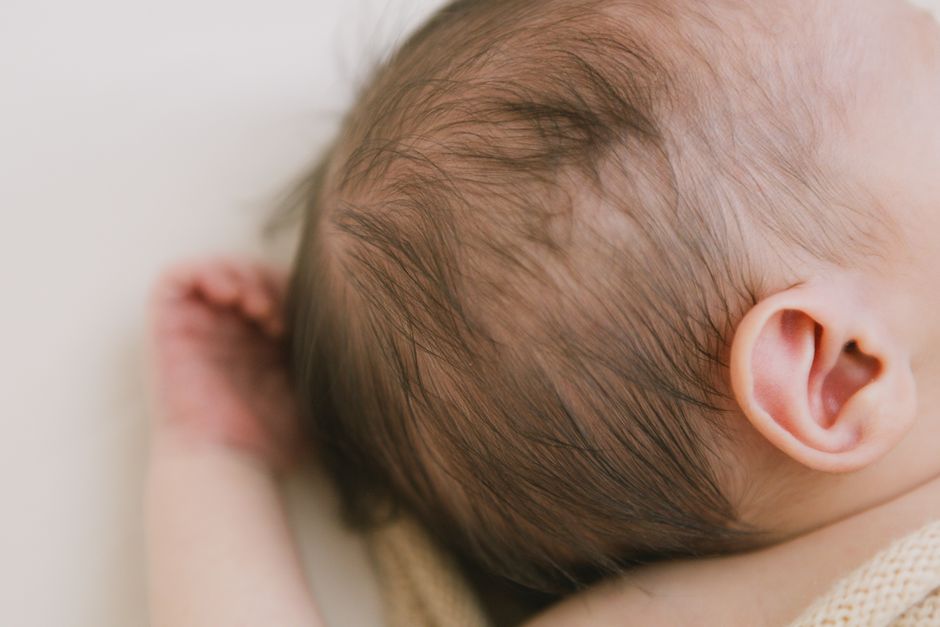
Newborn skin color changes over the first hours to weeks of life, and the timing depends on what is causing the color. Most of the dramatic shifts happen in the first 24 to 48 hours, while a baby’s permanent skin tone usually settles by around 6 to 12 months. Several normal and some serious conditions can affect color along the way. Knowing which is which matters.
Why Does Newborn Skin Color Look Different Right After Birth?
Babies are not born with their final skin tone. The color you see in the delivery room reflects circulation, temperature, and a still-developing system, not the child’s eventual complexion.
At birth, a newborn’s skin often looks reddish or purple. That redness comes from blood vessels close to the surface and from the effort of transitioning to breathing air. The skin is thin, and the outer layer has not fully thickened yet. This is normal and fades within hours to a few days.
Melanin is the pigment that gives skin its color. Newborns have very little of it at birth. Melanin production ramps up gradually after delivery, which is why a baby’s tone deepens over weeks and months rather than appearing all at once. The cells that make melanin, called melanocytes, are present at birth but are not yet working at full capacity.
Hands and feet often look bluish or mottled in the first day. This is called acrocyanosis. It happens because circulation to the extremities is slower in a newborn. It usually resolves on its own and is not a sign of a problem when the rest of the body is pink and the baby is otherwise well.
When Does Newborn Skin Color Change And Settle?
The most visible color changes occur in the first 24 to 48 hours. A baby’s stable, lasting skin tone generally settles by about 6 to 12 months of age.
Here is a rough timeline of what most parents notice:
- First minutes to hours: Skin looks red, purple, or dusky as circulation adjusts.
- First 24 to 48 hours: Redness fades. Jaundice, a yellow tint, often appears during this window.
- First 1 to 2 weeks: Newborn jaundice typically peaks and then clears. Skin starts to look less red.
- First few months: Melanin production increases. Tone gradually deepens or shifts.
- 6 to 12 months: Skin tone is usually close to its long-term color.
These ranges are typical, not fixed. Babies born prematurely may take longer because their skin is even thinner and their systems are less mature. Babies with darker skin tones may show less visible redness at birth and settle into their tone on a similar timeline.
One detail that surprises many parents: a baby’s skin tone can keep shifting subtly for the first year, and even beyond. The color at 3 months is often not the color at 12 months.
What Causes Jaundice And When Does It Go Away?
Jaundice is the most common reason a newborn’s skin looks yellow. It affects a large share of full-term babies in the first week of life.
Jaundice happens when bilirubin builds up in the blood. Bilirubin is a yellow substance made when the body breaks down old red blood cells. Newborns produce more bilirubin and clear it more slowly than older children and adults, so it can temporarily accumulate.
Jaundice usually shows up 2 to 4 days after birth in full-term babies. It often starts on the face and spreads downward to the chest, belly, and sometimes the legs. It typically peaks around day 3 to 5 and then fades over 1 to 2 weeks.
Premature babies tend to develop jaundice later and clear it more slowly. In preterm infants, it may last longer than 2 weeks.
Most newborn jaundice is mild and resolves without treatment. Some babies need monitoring or treatment with light therapy, called phototherapy. A healthcare provider checks bilirubin levels when jaundice appears early, spreads quickly, or lasts a long time.
Call a doctor promptly if jaundice appears in the first 24 hours after birth, if it spreads to the palms or soles, if the baby is very sleepy or feeding poorly, or if it lasts more than 2 weeks in a full-term baby. These can signal a level that needs treatment.
What Are The Harmless Skin Color Changes In Newborns?
Many newborn skin patterns look alarming but are normal and temporary. Knowing them can save a worried trip to the doctor.
Mottling is a lacy, blotchy pattern of red and pale skin, often on the arms and legs. It comes from immature circulation and usually fades within weeks to months.
Harlequin color change is a sharp line down the middle of the body, with one side flushed and the other pale. It is uncommon but harmless and goes away on its own.
Milia are tiny white bumps, often on the nose and cheeks. They are not a color change of the skin itself but are common in the first weeks and clear without treatment.
Mongolian spots are flat, blue-gray patches, often on the lower back or buttocks. They are common in babies with darker skin tones and usually fade over the first few years. They are not bruises.
Erythema toxicum is a blotchy red rash with small bumps that can appear in the first few days. Despite the name, it is harmless and resolves on its own.
None of these require treatment. They resolve as the skin and circulation mature.
When Is A Color Change A Medical Concern?
Some color changes need a doctor’s attention right away. These are not the normal shifts of a settling newborn.
Blue or gray skin, especially around the lips, tongue, or face, can signal low oxygen. This is a medical emergency. Call for help immediately.
Pale or white skin that looks washed out, along with sluggish behavior, can point to poor circulation or anemia. Get medical care promptly.
Yellow skin in the first 24 hours is always worth checking. Early jaundice can mean a higher bilirubin level that needs treatment.
A yellow tint that lasts beyond 2 weeks in a full-term baby may need evaluation. Prolonged jaundice can have several causes, and a provider can determine whether testing is needed.
Sudden spreading bruises or tiny red or purple dots that do not fade when pressed can indicate bleeding under the skin. This needs prompt medical review.
Trust your instincts. If something looks wrong, it is reasonable to have it checked. A provider would rather see a well baby than miss a treatable problem.
How Can Parents Track Their Baby’s Skin Tone?
You do not need to monitor skin tone closely, but a few habits help you notice real changes.
Look at your baby in natural daylight when possible. Artificial lighting can make skin look more yellow or more red than it is. Check the face, chest, and belly, and gently press the skin to see how quickly color returns.
Note feeding and behavior along with color. A baby who feeds well, has wet diapers, and is alert is generally doing well. A baby who is very sleepy, feeds poorly, or is hard to wake needs attention regardless of skin color.
Skin tone is not a reliable measure of health on its own. Use it as one signal among several, and let a healthcare provider make the call when you are unsure. For darker-skinned babies, jaundice can be harder to see on the face and may show first in the whites of the eyes, the gums, or the palms and soles.
Frequently Asked Questions
How long does it take for a newborn’s skin color to settle?
A baby’s lasting skin tone usually settles by about 6 to 12 months of age. The most dramatic changes happen in the first 24 to 48 hours after birth.
Why does my newborn look yellow?
Yellow skin is usually caused by jaundice, a buildup of bilirubin that is common in the first week of life. It often fades within 1 to 2 weeks in full-term babies, but see a doctor if it appears in the first 24 hours or lasts longer than 2 weeks.
Is it normal for a newborn’s hands and feet to look blue?
Bluish hands and feet, called acrocyanosis, are common in the first day and usually harmless when the rest of the body is pink. Blue or gray color around the lips or face is different and needs emergency care.
Can a baby’s skin tone change after the first year?
Skin tone can keep shifting subtly through the first year and beyond as melanin production matures. The color at 3 months is often not the final color at 12 months.
