
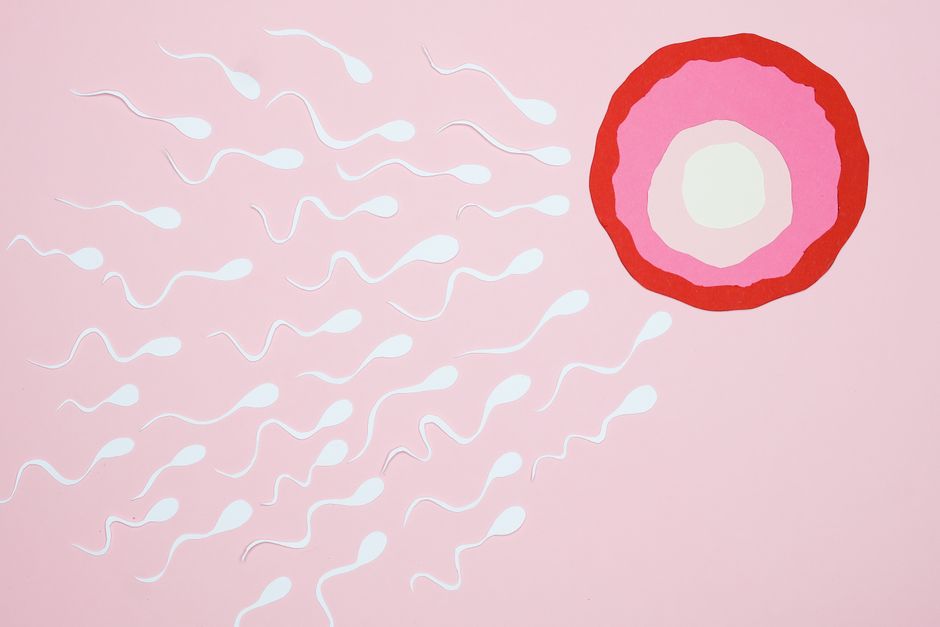
Male fertility does not switch off at a set age the way female fertility does. Sperm production continues into old age, but the quality and genetic health of sperm gradually change over decades. Most men remain fertile well past 50, yet the odds of conception with a partner do fall as men get older, and the decline speeds up after about 40. The practical takeaway is that age matters, but it is one factor among several — and a few of them are within your control.
When Does Male Fertility Decline And What To Do?
There is no cliff edge. Male fertility declines gradually, and the clearest changes show up after age 40. Sperm concentration, total sperm count, and the share of sperm that move normally all tend to fall slowly with age. The genetic quality of sperm changes too, because the cells that produce sperm keep dividing throughout life, and each division carries a small chance of copying errors.
That is the key difference from female fertility. Women are born with a fixed supply of eggs, and fertility falls sharply in the late 30s and early 40s. Men make new sperm continuously, so the decline is a slope rather than a drop. It is real, but it is slower and more variable.
What to do about it depends on your age and your plans. If you are under 35 with no health issues, the main steps are lifestyle basics and treating any obvious problems. If you are over 40, or your partner has not conceived after a year of trying, a fertility evaluation is reasonable. For men over 35, some clinicians suggest seeking help sooner rather than waiting the full year.
What Actually Changes In Sperm As Men Age?
Several measurable things shift. Semen volume tends to decrease slightly. Sperm motility — the ability to swim forward — often drops. The shape of sperm (morphology) can change as well. These changes are gradual and vary widely between men, so an older man can still have excellent semen parameters.
The change with the strongest evidence behind it is in sperm DNA. Research consistently shows that DNA fragmentation — breaks in the genetic material inside sperm — becomes more common with age. This matters because DNA damage can affect fertilization and early embryo development.
There is also a well-documented rise in new genetic mutations in sperm as men age. These are not inherited mutations; they arise fresh in the sperm-producing cells. This is the mechanism behind the higher risk of certain rare conditions in children of older fathers.
One clarification worth knowing: age-related fertility decline in men is not mainly about hormone levels crashing. Testosterone does decline gradually in many men, but the relationship between testosterone and fertility is more complicated than most people assume.
How Much Does Paternal Age Affect Pregnancy Chances?
Paternal age affects the odds of conception, but the effect is modest compared with maternal age. Studies of couples trying to conceive show that time to pregnancy lengthens somewhat as the man’s age rises, particularly past 40. The effect is real but usually not dramatic on its own.
Where paternal age matters more clearly is in pregnancy outcomes and child health. Older paternal age is associated with a higher risk of certain rare genetic conditions, including some that arise from new mutations. The absolute risk for any single condition remains low, but the relative risk does increase with age.
Some research also links older paternal age to a higher chance of miscarriage and to certain neurodevelopmental differences in children. The evidence here is mixed and the effects are small. It is honest to say these associations exist without overstating them — they are population-level patterns, not predictions about any individual child.





What Lifestyle Factors Speed Up Fertility Decline?
Age is not the only variable, and some of the others you can change. The factors with the strongest evidence for harming sperm quality include:
- Smoking. Consistent evidence links smoking to lower sperm count, poorer motility, and more sperm DNA damage.
- Heavy alcohol use. Regular heavy drinking is associated with reduced sperm quality. Moderate intake is less clear.
- Obesity. Excess body fat is linked to lower sperm quality and altered hormone levels.
- Heat exposure. Frequent saunas, hot tubs, and prolonged laptop-on-lap use can raise scrotal temperature. Sperm production works best a few degrees below core body temperature.
- Certain medications and drugs. Some prescription drugs, anabolic steroids, and recreational drugs can suppress sperm production.
Anabolic steroids deserve a specific mention. They can shut down sperm production, sometimes severely, and recovery after stopping can take months to years — and is not always complete. This is a common and underappreciated cause of male infertility.
What Can Men Do To Protect Fertility?
The steps with the best support are unglamorous. Stop smoking. Keep alcohol moderate. Maintain a healthy body weight. Avoid prolonged heat exposure to the testes. Get regular exercise. Eat a diet rich in vegetables, fruit, whole grains, and fish — patterns like the Mediterranean diet are associated with better semen quality in observational studies, though cause and effect is not firmly established.
Supplements are where honesty matters most. Many products marketed for male fertility have weak or absent evidence. Some studies suggest modest benefit from certain antioxidants in men with specific deficiencies or high DNA fragmentation, but results vary and no supplement is established as a reliable fertility booster. Talk to a clinician before starting anything, especially since some “testosterone boosters” can actually suppress fertility.
If you have a varicocele (an enlarged vein in the scrotum), a history of undescended testicle, or prior chemotherapy, mention it. Some of these are treatable or manageable, and a specialist can advise whether intervention helps in your case. The evidence for varicocele repair improving fertility is mixed, so this is a decision to make with a clinician rather than assume.
When Should A Man Get A Fertility Evaluation?
A fertility evaluation is reasonable after a year of regular unprotected sex without conception if the partner is under 35. If the partner is 35 or older, many guidelines suggest evaluation after six months. If the man is over 40, or either partner has a known risk factor, seeking help sooner is sensible.
A basic male evaluation is straightforward. It usually starts with a semen analysis, which measures count, motility, and morphology. A clinician may also check hormone levels and review medications and history. Semen analysis results can vary between samples, so a single abnormal result is often repeated.
Do not wait for a partner’s evaluation to finish before getting your own checked. Male factors contribute to a substantial share of infertility cases, and in some couples both partners have contributing issues. Getting answers early saves time.
The Bottom Line On Age And Male Fertility
Male fertility declines gradually, with the clearest changes after 40 and a steeper slope in the 50s and beyond. Sperm count, motility, and DNA integrity tend to worsen slowly, and the risk of new genetic mutations rises with age. Most men remain capable of fathering children late in life, but the odds and the genetic risk profile are not the same at 50 as at 25.
The useful response is not panic. It is awareness. If you are planning children and you are over 35, do not assume time is unlimited. Address the modifiable factors, get evaluated if conception is slow, and treat age as one input rather than a verdict.
Frequently Asked Questions
At what age does male fertility start to decline?
Male fertility begins a gradual decline that becomes more noticeable after age 40. There is no sharp cutoff, and many men remain fertile well into their 50s and beyond.
Can a 50-year-old man still get a woman pregnant?
Yes, many men father children in their 50s, though the odds of conception are lower and the risk of certain genetic conditions in the child is somewhat higher than at a younger age.
Does masturbation or frequent sex lower sperm count?
Frequent ejaculation can temporarily lower sperm count per sample, but it does not cause lasting infertility. For conception, sex every one to two days around ovulation is generally reasonable.
Do fertility supplements actually help men?
The evidence is weak for most fertility supplements, and no product is established as a reliable way to boost fertility. Some antioxidants may help men with specific deficiencies, so discuss any supplement with a clinician first.
