
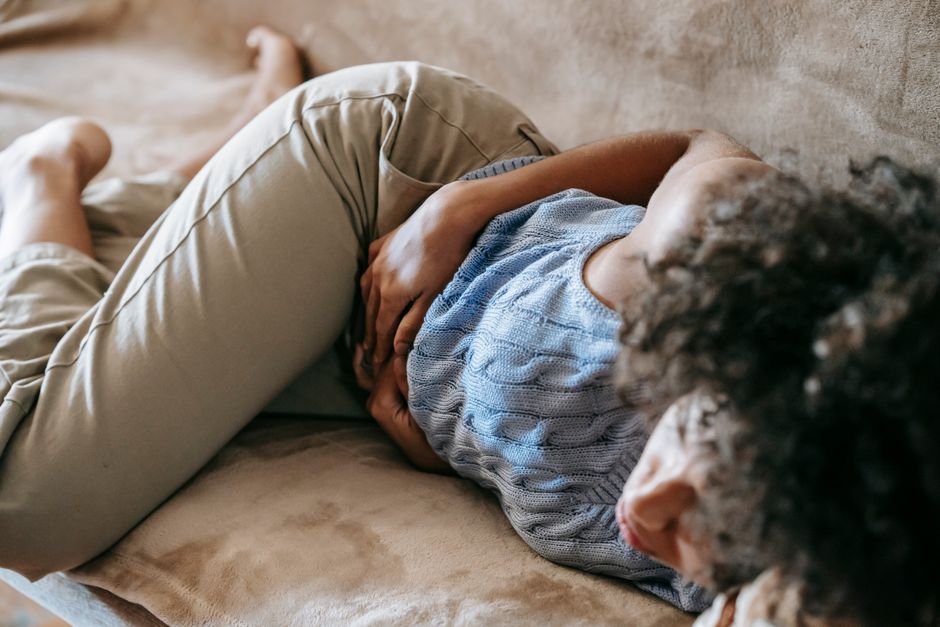
Cramping in early pregnancy usually eases as the first trimester ends, and for most women it settles by around weeks 12 to 14. The mild, period-like cramping many women feel in the first weeks is often linked to the uterus stretching and hormone changes, and it tends to fade gradually rather than stop on a single day. Cramping that is severe, one-sided, or comes with bleeding is a different matter and needs medical attention right away.
Why Does Cramping Happen in Early Pregnancy?
The uterus is a muscle, and in early pregnancy it begins to change in size, blood supply, and tone. That change can produce a mild pulling or heaviness low in the pelvis. Many women describe it as similar to the feeling just before a period.
Hormones are part of the picture too. Progesterone rises early in pregnancy and affects smooth muscle and the digestive tract. This is one reason some women notice cramping alongside bloating, gas, or constipation. The same hormonal shifts can slow digestion, which itself can cause discomfort that feels like cramping.
There is also a very early event worth knowing about. Around the time a fertilized egg implants in the uterine lining — usually a week or so after conception — some women feel brief, light cramping. This is often called implantation cramping. It is not experienced by everyone, and it is not a reliable sign of pregnancy on its own. Many women who conceive feel nothing at all at this stage.
What connects these causes is that they are all mild and temporary. They reflect normal changes rather than a problem. The cramping that matters clinically is different in character, and the next sections explain how.
When Does Cramping In Early Pregnancy Stop?
For most women, the mild cramping of early pregnancy fades during the first trimester and is largely gone by about 12 to 14 weeks. There is no exact day it stops. It usually decreases gradually as the body adjusts to the hormonal and physical changes of early pregnancy.
Some women notice it come and go in waves over several weeks. Others feel it only briefly. The pattern varies widely from person to person, and a lack of cramping is not a sign that anything is wrong.
It helps to separate two kinds of cramping. The everyday kind linked to the uterus stretching tends to be mild, occasional, and not tied to bleeding. Cramping that is persistent, severe, or paired with other symptoms does not follow this timeline and should be checked regardless of how many weeks along you are.
If cramping continues past the first trimester, it is usually caused by something other than early pregnancy changes — for example, digestive discomfort, round ligament stretching as the uterus grows, or a urinary issue. Round ligament pain tends to appear later, often in the second trimester, and feels like a sharp pull on one or both sides of the lower belly.
What Does Normal Early Pregnancy Cramping Feel Like?
Normal cramping in early pregnancy is typically mild and similar to menstrual cramps. It is often felt low in the pelvis or across the lower belly. Some women describe a dull ache, a heaviness, or a brief pulling sensation.
It tends to be occasional rather than constant. It may come and go over minutes or hours and then ease. It is not usually sharp enough to stop you from doing normal activities.
What normal cramping generally does not include:
- Severe pain that makes it hard to stand, walk, or function
- Pain that is sharp and one-sided
- Cramping accompanied by heavy bleeding or passing clots
- Pain with fever, chills, or feeling faint
- Cramping with pain when urinating
This list is a guide, not a diagnosis. If something feels wrong to you, that matters. Trusting your own sense that something is off is reasonable, and contacting your clinician is always appropriate.
When Is Cramping a Reason to Call a Doctor?
Some cramping in early pregnancy needs prompt medical attention. The key features to watch for are severity, one-sidedness, and bleeding.
Contact a clinician urgently if you have:
- Severe or worsening abdominal pain
- Sharp pain on one side of the lower belly
- Vaginal bleeding, especially heavy bleeding or bleeding with clots
- Pain in the shoulder tip, which can be a warning sign in some conditions
- Dizziness, fainting, or feeling very unwell
- Fever or chills
- Pain or burning when you urinate
One-sided pain deserves specific attention. A pregnancy that develops outside the uterus — an ectopic pregnancy — can cause sharp, one-sided pain, sometimes with bleeding. This is a medical emergency. It cannot be ruled out by how the pain feels alone, so any severe or one-sided pain in early pregnancy should be assessed by a clinician.
Heavy bleeding with cramping can also be a sign of miscarriage. Many women who have some light spotting in early pregnancy go on to have healthy pregnancies, so spotting alone is not automatically a sign of loss. But bleeding with significant cramping is a reason to seek care rather than wait.
This is general information, not a substitute for medical advice. Your own clinician can assess your specific situation.
Does Cramping Mean Something Is Wrong?
Most mild cramping in early pregnancy is not a sign that something is wrong. It is common and usually reflects normal changes. Many women who have cramping in early pregnancy have healthy pregnancies.
That said, cramping alone cannot tell you whether a pregnancy is progressing normally. The only reliable way to assess early pregnancy is through clinical evaluation, which may include an ultrasound and blood tests. Symptoms are a guide to when to seek care, not a way to diagnose what is happening.
It is also true that some women with miscarriage or ectopic pregnancy have cramping as an early sign. This is why the character of the pain matters. Mild and occasional is reassuring in general terms. Severe, persistent, or one-sided is not, and should be evaluated.
The most useful thing you can do is pay attention to how the cramping behaves over time and whether it comes with any other symptoms. That information helps a clinician far more than the cramping alone.
How Can You Ease Mild Early Pregnancy Cramping?
For mild cramping, simple comfort measures are reasonable. A warm — not hot — bath or a heating pad on a low setting can help relax tense muscles. Resting and changing position often eases discomfort.
Staying hydrated and eating regular meals with fiber can help if bloating or constipation is adding to the discomfort. Gentle movement, like a short walk, is fine for most women with uncomplicated pregnancies, though it is worth checking with your clinician about what activity level suits you.
Be cautious with over-the-counter pain relievers. Acetaminophen is generally considered the preferred option for pain relief during pregnancy, but you should confirm with your clinician before taking any medication, including familiar ones. Avoid nonsteroidal anti-inflammatory drugs such as ibuprofen and naproxen unless a clinician specifically directs otherwise, because they are generally not recommended during pregnancy.
No home measure will treat cramping caused by a miscarriage, ectopic pregnancy, or infection. If pain is severe or comes with the warning signs above, comfort measures are not a substitute for medical care.
What About Cramping Later in Pregnancy?
Cramping after the first trimester usually has different causes. As the uterus grows, the round ligaments that support it stretch, which can cause sharp pulls on the sides of the lower belly, often with movement or a change in position.
Later in pregnancy, some cramping can also be a sign of preterm labor or a urinary tract infection. Any cramping that is regular, comes with lower back pain, pelvic pressure, fluid leaking, or bleeding should be checked promptly, whatever the stage of pregnancy.
Because the causes shift as pregnancy progresses, cramping that appears or changes later on should be discussed with your clinician rather than assumed to be the harmless early-pregnancy kind.
Frequently Asked Questions
How long does early pregnancy cramping last?
For most women it eases gradually over the first trimester and is largely gone by around 12 to 14 weeks. It varies widely, and some women feel it only briefly or not at all.
Is cramping at 5 weeks pregnant normal?
Mild, period-like cramping at 5 weeks is common and often linked to normal early changes. Severe, one-sided, or bleeding-associated cramping is not normal and should be checked right away.
Should I worry if my cramping stops?
No, cramping stopping is not a sign that something is wrong. Cramping comes and goes for many women, and a lack of it is common in healthy pregnancies.
When should I call my doctor about early pregnancy cramping?
Call promptly if cramping is severe, one-sided, or comes with bleeding, fever, dizziness, or pain when urinating. Mild cramping without other symptoms usually does not need urgent care.
