
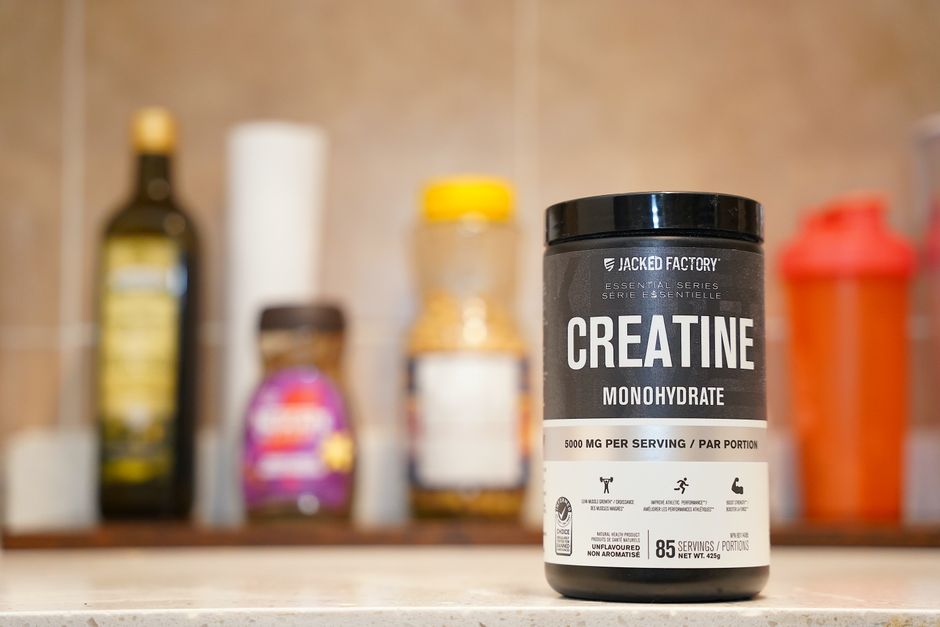
Creatine works whenever you take it, as long as you take it consistently. The timing question matters far less than most supplement marketing suggests. What your muscles care about is total creatine availability over weeks, not the clock on your kitchen wall. That said, timing does affect a few practical things — stomach comfort, how well you remember to take it, and how quickly you load your muscles if you choose a loading phase.
When Do You Take Creatine? The Short Answer
Take creatine at whatever time of day you will reliably remember it. Morning, afternoon, or evening all work. The evidence does not support a meaningful performance difference between these windows.
Creatine monohydrate works by saturating your muscles with phosphocreatine over time. Your body stores it, and stores build up gradually. Once your muscles are saturated — which takes days to weeks depending on your dose — the timing of any single dose becomes almost irrelevant to your total muscle creatine level.
This is the part most people miss. Creatine is not a stimulant like caffeine that peaks and clears within hours. It is a stored substrate. You are filling a tank, not flipping a switch.
How Long Does It Take for Creatine to Work?
With a loading phase, muscle creatine stores can rise substantially within about a week. With a steady daily maintenance dose and no loading, saturation typically takes around three to four weeks.
Both approaches reach a similar endpoint. The difference is speed, not final result. This has been a consistent finding in the research literature on creatine supplementation.
Here is what the timeline looks like in practical terms:
- Days 1–7 (loading): Muscle stores climb quickly with higher divided doses. Some people notice performance effects within this window.
- Weeks 1–4 (no loading): Stores rise more gradually on a standard daily maintenance dose.
- Week 4 onward: Stores are typically saturated and stay there as long as you keep taking it.
If you stop taking creatine, muscle stores decline over roughly the same timeframe it took to build them — weeks, not hours. This is why consistency beats perfect timing every time.
Does It Matter If You Take Creatine Before or After a Workout?
The evidence here is mixed, and it is often overstated in both directions. Some studies suggest taking creatine near a workout may offer a small advantage. Others find no meaningful difference. No strong consensus exists.
What the research does consistently support is total daily intake and consistency. If you train at 6 p.m. and take your creatine at 7 a.m., you are not wasting it. Your muscles will still absorb and store it.
Some people prefer taking it with a post-workout meal because insulin appears to help with creatine uptake into muscle. That is a reasonable biological rationale, and it is a common practice. But it is not a requirement, and the performance difference in real-world terms is likely small.
If taking it around your workout helps you remember it, do that. Adherence is the variable that actually moves outcomes.
Should You Take Creatine With Food or on an Empty Stomach?
Either works. Taking creatine with a meal that contains carbohydrates and protein may improve absorption slightly and tends to reduce stomach discomfort for people who are sensitive.
Some people experience mild nausea or stomach upset when taking creatine on an empty stomach, especially at higher doses. If that happens to you, taking it with food is a simple fix.
There is no established clinical requirement to take creatine with food. The absorption difference is modest. Comfort and consistency matter more.
What About a Loading Phase — Do You Need One?
No, you do not need a loading phase. It is optional. It gets your muscles saturated faster, but skipping it simply means a slower ramp-up over a few weeks.
The classic loading protocol involves taking a higher dose split into several smaller servings per day for about a week, then dropping to a maintenance dose. This approach is well documented in the scientific literature and reliably raises muscle creatine levels quickly.
Some people find the higher doses cause digestive discomfort. Splitting the dose across the day and taking it with food reduces that risk. If loading bothers your stomach, a steady maintenance dose is a perfectly valid alternative.
This is a genuine point of confusion worth clearing up: loading is not a prerequisite for creatine to work. It is a speed option, not a requirement.
Does the Form of Creatine Change the Timing?
Creatine monohydrate is the most studied form and the one with the strongest evidence base. Other forms — creatine hydrochloride, buffered creatine, creatine ethyl ester — are marketed with claims about better absorption or timing, but the evidence for these advantages is limited.
No clinical evidence currently confirms that any creatine form requires different timing than monohydrate. The storage mechanism is the same. If you are using a different form, the same principle applies: consistency and total daily intake matter more than the clock.
Practical Timing for Real Life
Pick a time you will not forget. That is the whole strategy. Here are the approaches people commonly use:
- Tie it to a habit: Take it with breakfast, or right after your morning coffee. Habit stacking works.
- Take it with your post-workout meal: Convenient if you already eat at that time, and may slightly aid uptake.
- Take it whenever you take other daily supplements: Reduces the number of separate routines you need to track.
- Keep it visible: A container on the counter beats one in a cabinet you rarely open.
If you train in the morning and prefer taking creatine post-workout, that works. If you train at night and take creatine at breakfast, that also works. The studies do not support stressing over this.
What Happens If You Miss a Day?
Missing a single day is not a problem. Your muscle stores do not drop meaningfully from one missed dose.
Missing several days in a row starts to matter more, because stores begin to decline. If you miss a week or more, you may need to rebuild saturation over the following weeks. The practical fix is simple: resume your normal dose and stay consistent going forward. Do not double up to “catch up.”
Doubling doses to make up for missed ones is not recommended. It does not speed re-saturation meaningfully and increases the chance of stomach upset.
Who Should Be Careful About Timing and Dosing?
Creatine has a strong safety record in healthy adults in the research literature. People with pre-existing kidney conditions should talk to a clinician before starting it, because creatine metabolism produces creatinine, which is used as a marker of kidney function. This can complicate interpretation of kidney blood tests.
For pregnant women, breastfeeding women, and children, no clinical guidelines currently exist for creatine supplementation. Do not assume it is appropriate for these groups based on adult data.
If you take medications or have any chronic health condition, check with your doctor before starting. This is standard advice for any supplement, and it applies here.
Frequently Asked Questions
What is the best time of day to take creatine?
Any consistent time works — morning, afternoon, or evening. The evidence does not show a meaningful performance difference between these windows.
How long does creatine take to work?
With a loading phase, muscle stores can rise within about a week. Without loading, saturation typically takes around three to four weeks of consistent daily use.
Should I take creatine before or after my workout?
Either is fine. Some studies suggest a small advantage to taking it near your workout, but the evidence is mixed and consistency matters far more.
Can I take creatine on an empty stomach?
Yes. If it causes stomach upset, taking it with food that contains carbohydrates and protein may help reduce discomfort.
