
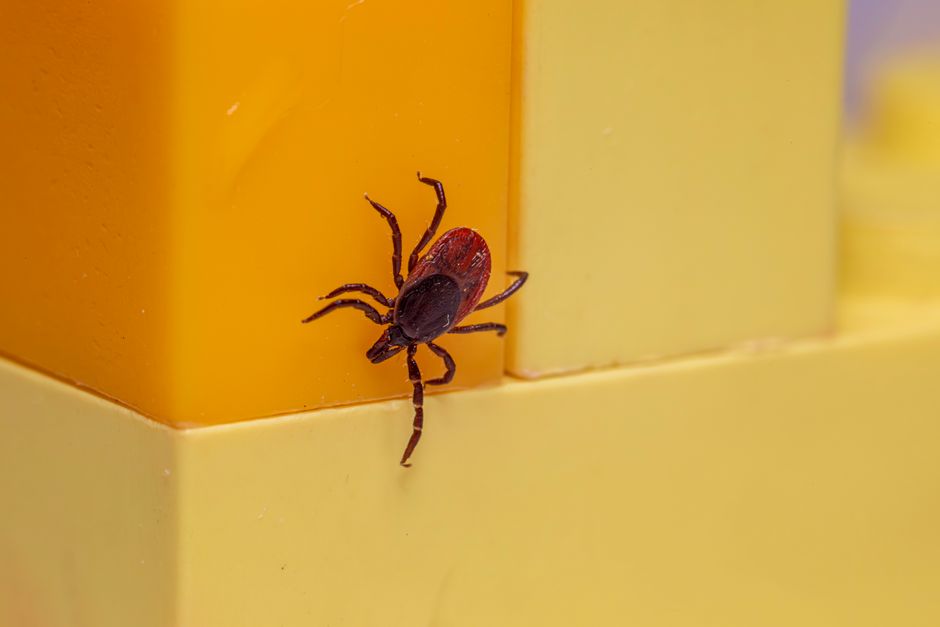
Ticks are not a year-round problem in most of the United States, but they do not simply disappear in winter. Most ticks go away — or become inactive — when temperatures drop below freezing for a sustained period, but some species remain active whenever the ground is not frozen. The exact timing depends on your region, the tick species, and the weather in a given year. The short answer: in many northern states, tick activity drops sharply by November and stays low until March, while in warmer southern states, ticks can remain active all year.
When Do Ticks Go Away for the Season?
Tick activity follows temperature, not the calendar. Most tick species become inactive when temperatures stay below 35°F (about 2°C) for a sustained stretch. A single cold night does not kill ticks or stop them. They need prolonged cold to enter dormancy.
In the Northeast and Upper Midwest, this usually means tick season runs from early spring through late fall. Activity peaks in May through July for nymphs and again in October for adult ticks seeking a host before winter. By December, most ticks in these regions are dormant.
In the South and parts of the West Coast, winter is milder. Ticks may remain active all year, especially on days when temperatures rise above 40°F. The Gulf Coast and Florida see near-year-round tick activity, with only brief slowdowns during the coldest weeks.
One important detail: ticks do not die in winter. They survive by hiding under leaf litter, in soil cracks, or beneath snow. Snow acts as an insulator, keeping the ground warmer than the air above it.
What Temperature Kills Ticks or Makes Them Inactive?
Ticks are cold-blooded. Their activity level drops as temperatures fall. Research consistently shows that below 35°F, most ticks stop seeking hosts and enter a state called diapause — a kind of hibernation.
Diapause is not death. Ticks in diapause have slowed metabolisms. They wait for warmer conditions. When temperatures rise above 40°F for a few consecutive days, even in January, some ticks become active again. This is why a warm winter day can bring tick encounters in areas where ticks were seemingly gone.
True cold death is rare. Only extreme, prolonged cold — well below freezing for weeks without snow cover — kills significant numbers of ticks. Most winters do not produce these conditions. That means the tick population in your area is largely intact come spring.
Freezing and thawing cycles can be harder on ticks than steady cold. Repeated freeze-thaw events damage their tissues and reduce survival rates. But this is not a reliable control method, and you should not assume a cold snap eliminated ticks from your yard.
Which Ticks Are Active in Winter?
Not all ticks behave the same way. The black-legged tick — also called the deer tick — is the most winter-hardy species in the United States. Adult black-legged ticks are actually most active in late fall and early spring, with a peak in October through November and again in March through April.
These adults can become active on any winter day when temperatures rise above freezing. They are the primary carriers of Lyme disease in the Northeast and Upper Midwest. Finding an adult black-legged tick on a warm January day is possible, especially in areas with mild winters.
The American dog tick and lone star tick are more strictly seasonal. They are active from spring through early fall and largely disappear in winter. Their activity is tied to longer daylight hours and warmer temperatures, not just temperature alone.
The Gulf Coast tick and brown dog tick behave differently. The brown dog tick can live indoors and remain active year-round. It is unique among common ticks because it can complete its entire life cycle inside a home or kennel, meaning winter does not stop it.





Does Snow or Frost Kill Ticks?
No. Snow and frost do not kill ticks. Snow actually protects ticks by insulating the leaf litter where they hide. The temperature under a snowpack can be significantly warmer than the air above it.
Frost alone is not lethal either. Ticks have natural antifreeze-like compounds in their bodies that help them survive freezing temperatures. These cryoprotectants prevent ice crystals from forming inside their cells.
This is why tick populations do not crash after a normal winter. The ticks that survive are the ones that found good shelter in leaf litter, woodpiles, or under rocks. Your tick risk in spring is determined by how many ticks survived the winter, not by whether frost occurred.
When Should You Stop Checking for Ticks?
You should not stop checking for ticks entirely, even in winter. In northern states, the risk is low from December through February, but it is not zero. Any day above freezing can bring an adult black-legged tick out of dormancy.
In southern states, tick checks should continue year-round. The risk is lower in the coldest weeks, but ticks remain a genuine threat throughout winter.
After outdoor activities in winter, especially in wooded or brushy areas, a quick tick check is reasonable. Pay attention to the same areas you check in summer: behind the knees, in the groin area, under the arms, around the waistline, and in the hair and ears.
The bigger concern is early spring. Tick activity often begins before people expect it. By late March in many northern states, adult black-legged ticks are actively seeking hosts. By April, nymphs begin to emerge. Tick season starts earlier than most people think.
How to Reduce Ticks in Your Yard Year-Round
Yard management is the most effective way to reduce tick exposure, and it works in every season. Ticks thrive in moist, shaded areas with leaf litter. Removing those conditions reduces tick habitat.
Keep grass mowed short, especially at the edges of your yard. Clear leaf litter and brush piles. Create a barrier of wood chips or gravel between your lawn and wooded areas. This dry barrier discourages ticks from crossing into recreational spaces.
Stack wood neatly in a dry area, preferably off the ground and away from your home. Woodpiles attract rodents, which carry ticks. Move bird feeders away from the house and garden areas, since they attract deer and rodents that bring ticks.
Some homeowners apply chemical tick control treatments to their yards. These products can reduce tick numbers significantly when applied correctly. They are most effective when applied in spring and again in summer, following the product label instructions. No pesticide eliminates all ticks, and treatments need to be repeated.
For pets, year-round tick prevention is recommended by most veterinarians. Even in winter, pets can pick up ticks on warm days. Ask your veterinarian about the right preventive for your pet and region.
When Do Ticks Go Away in Your Region?
Regional differences are significant. Here is what to expect in broad terms:
- Northeast and Upper Midwest: Tick activity drops sharply in November and stays low through February. Adult black-legged ticks can appear on warm winter days. Activity resumes in March.
- Southeast and Gulf Coast: Ticks remain active year-round. Activity dips only during the coldest weeks. The Gulf Coast tick and lone star tick are common.
- Midwest and Plains: Similar to the Northeast, with a distinct winter lull from December through February. American dog ticks are common in this region.
- West Coast: Highly variable. Coastal areas with mild winters see year-round tick activity. Inland and mountain areas see a winter lull.
- Southwest and Rocky Mountains: Tick season is shorter, typically April through September. Winter inactivity is more reliable in these regions.
These are general patterns. A specific year can differ. A mild winter can extend tick activity later into fall or start it earlier in spring. A harsh winter can shorten the active season. Check local weather forecasts and tick activity reports from your state health department for current conditions.
Frequently Asked Questions
Do ticks die in the winter?
Most ticks do not die in winter. They enter a dormant state called diapause, hiding in leaf litter and soil until temperatures rise. Only extreme, prolonged cold without snow cover kills significant numbers.
What month do ticks go away?
In northern states, ticks typically become inactive by November and stay dormant through February. In southern states, ticks may remain active all year with only brief slowdowns during the coldest weeks.
Can you get a tick bite in winter?
Yes, but the risk is low in northern states. Adult black-legged ticks become active on any winter day above freezing. In southern states, tick bites are possible year-round.
Does snow kill ticks?
No. Snow insulates the ground and protects ticks from freezing temperatures. Ticks survive under snow cover in leaf litter and soil.
