
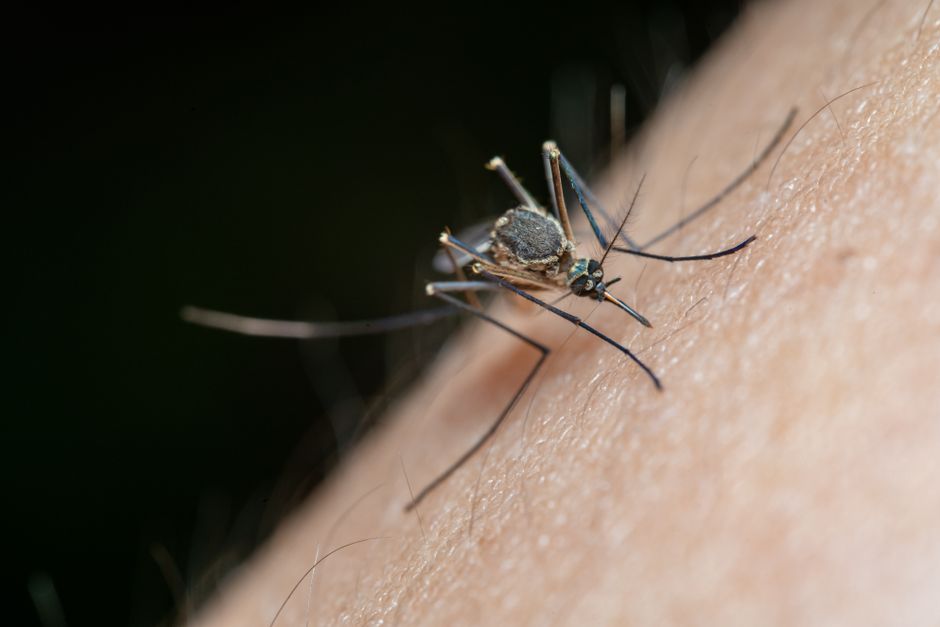
Most mosquito bites stop itching and fade within 3 to 10 days, though the timeline depends on your immune response, whether you scratch, and whether the bite becomes infected. The red bump itself — called a wheal or papule — usually flattens within a few hours to a couple of days. The itching is often the last symptom to go, and it can linger for a week or more in people who are more sensitive to mosquito saliva. If a bite is still growing, spreading, or getting more painful after 24 hours, that is not a normal healing timeline and needs medical attention.
What Happens to Your Skin Right After a Mosquito Bite
A mosquito does not just poke a hole in your skin. When a female mosquito bites, she injects saliva that contains proteins designed to keep your blood flowing and stop it from clotting. Your immune system recognizes those proteins as foreign and responds within minutes.
That response causes the familiar signs:
- Redness and swelling from dilated blood vessels
- Itching from histamine release
- A raised, firm bump called a wheal
- Warmth at the bite site
The wheal is a fluid buildup under the skin. In most people it peaks within 20 to 30 minutes and then begins to flatten. The redness and itch are driven by histamine and other immune chemicals your body releases to flush out the foreign proteins.
People who have been bitten many times over their lives often have a milder reaction than someone bitten for the first time. That is because the immune system partially adapts to mosquito saliva over repeated exposure — it is not that the mosquito becomes less harmful. Some people, however, develop stronger reactions over time, a condition sometimes called skeeter syndrome. That is a hypersensitivity reaction, not an infection, though it can look severe.
When Do Mosquito Bites Go Away? A Day-by-Day Timeline
Healing happens in overlapping stages, not strict calendar days. But most bites follow a similar pattern in people with typical immune responses.
First 24 hours: The bite is at its most noticeable. The wheal may still be raised, and itching is usually intense. This is when scratching does the most damage.
Days 2 to 3: Swelling goes down. The bump becomes a flat red spot or a small firm papule. Itching often continues, sometimes in waves.
Days 4 to 7: The redness fades to pink or light brown. The itch usually decreases but can still flare, especially at night or when the skin gets warm.
Days 7 to 10: Most bites are barely visible. A faint mark may remain, especially on darker skin tones, where inflammation can leave post-inflammatory hyperpigmentation.
Beyond 10 days: A bite that is still red, raised, and itchy after 10 days may not be healing normally. It could be an infection, a different bug bite, or a skin condition that looks similar. This is worth a medical visit.
Children and people with eczema or sensitive skin often take longer to clear. So do bites on the lower legs and ankles, where circulation is slower and scratching is more likely.
Why Some Bites Last Longer Than Others
Not all mosquito bites heal at the same speed. Several factors change the timeline:
- Scratching. Breaking the skin opens the door to bacteria and prolongs inflammation. A scratched bite can stay red and irritated for weeks.
- Immune sensitivity. People with stronger reactions to mosquito saliva get bigger welts that take longer to fade.
- Bite location. Bites on the face and hands swell more because the skin is thinner and looser. Bites on the feet and ankles heal more slowly.
- Skin tone. On darker skin, the mark left behind can last for months even after the bite itself has healed.
- Age. Young children often have more dramatic reactions than adults, partly because their immune systems are still learning to tolerate mosquito saliva.
One thing that does not change the timeline: the species of mosquito. Different mosquitoes carry different diseases, but the local skin reaction is driven by your immune system, not the mosquito’s identity.





What Makes a Mosquito Bite Last Weeks or Months
A bite that lingers for weeks is usually not the bite itself. It is something else happening at the site.
Secondary infection is the most common reason. When you scratch, bacteria from your fingernails or skin get into the bite. The area becomes more red, more swollen, warmer, and often painful rather than just itchy. Pus may appear. This needs medical treatment — usually antibiotics — because a skin infection can spread.
Post-inflammatory hyperpigmentation is a dark mark left after the inflammation clears. It is not an active bite. It can take months to fade, especially on darker skin, and it is not dangerous. Sun exposure makes it darker.
Skeeter syndrome is a more severe allergic reaction to mosquito saliva. It causes large, swollen, warm areas that can look like an infection. It is not infectious, but it can be uncomfortable and sometimes requires medical evaluation to rule out cellulitis.
Other causes. A persistent bump that does not itch and does not heal may be something else entirely — a spider bite, a cyst, or another skin condition. A doctor can tell the difference.
How to Stop the Itch and Speed Healing
There is no way to make a mosquito bite disappear faster than your immune system allows. But you can reduce scratching, which is the main thing that prolongs healing.
What helps:
- Wash the bite with soap and water soon after you notice it.
- Apply a cold pack for 10 to 15 minutes at a time. Cold reduces swelling and numbs the itch.
- Use an over-the-counter anti-itch cream containing hydrocortisone or calamine. Follow the label directions.
- Take an oral antihistamine if itching is severe. Non-drowsy options work during the day; older antihistamines can help at night but cause drowsiness.
- Keep fingernails short and cover the bite with a bandage if you cannot stop scratching.
What does not help, despite what you may have read: pressing a fingernail into the bite, applying toothpaste, or using heat. These may distract you for a moment but do not change the healing process. Some traditional remedies can irritate the skin further.
If the bite becomes infected — spreading redness, increasing pain, warmth, pus, or fever — see a doctor. Do not try to treat an infection at home.
When to See a Doctor About a Mosquito Bite
Most bites need no medical care. Seek medical attention if you notice:
- Redness that spreads outward from the bite
- Increasing pain rather than itching
- Warmth and swelling that get worse after 24 hours
- Pus or a yellow crust
- Fever, chills, or feeling unwell
- A bite that is still growing after 48 hours
- Difficulty breathing, facial swelling, or widespread hives — these are signs of a severe allergic reaction and require emergency care
Also see a doctor if you were bitten in an area where mosquito-borne diseases are common and you develop fever, headache, body aches, or rash in the weeks after. Mosquitoes can transmit viruses and parasites in certain regions, and those illnesses need diagnosis and sometimes treatment.
How to Prevent Bites in the First Place
Prevention is more effective than treating bites after they happen.
- Use an EPA-registered insect repellent. Products with DEET, picaridin, IR3535, or oil of lemon eucalyptus are supported by evidence. Follow label instructions, especially for children.
- Wear long sleeves and pants when outdoors at dawn and dusk, when many mosquito species are most active.
- Remove standing water around your home. Mosquitoes breed in as little as a bottle cap of water.
- Use screens on windows and doors, and repair any tears.
- Treat clothing and gear with permethrin if you are in an area with high mosquito activity. Do not apply permethrin directly to skin.
No method is perfect. The goal is to reduce the number of bites, not eliminate them entirely.
Why Mosquito Bites Itch More at Night
Itching often feels worse at night, and there are a few reasons. Body temperature rises slightly in the evening, which can increase blood flow to the skin and amplify itch signals. Distractions are fewer, so your brain pays more attention to the sensation. And histamine release follows a daily rhythm that can peak at night in some people.
This is why an oral antihistamine before bed can help — not because the bite is worse, but because your perception of it is stronger when you are lying still in a quiet room.
Frequently Asked Questions
How long do mosquito bites usually last?
Most mosquito bites stop itching and fade within 3 to 10 days. The bump itself often flattens within a few hours to 2 days, while itching can linger for a week or more in sensitive people.
Why is my mosquito bite still there after 2 weeks?
A bite still red, raised, or itchy after 2 weeks may be infected or may not be a mosquito bite at all. See a doctor if it is spreading, painful, warm, or oozing.
Does scratching make mosquito bites last longer?
Yes. Scratching breaks the skin and can introduce bacteria, which prolongs inflammation and raises the risk of infection. Keeping the bite clean and covered helps it heal faster.
When should I worry about a mosquito bite?
Worry if redness spreads, pain increases, pus appears, or you develop fever or chills. Difficulty breathing or facial swelling after a bite is an emergency and needs immediate care.
