
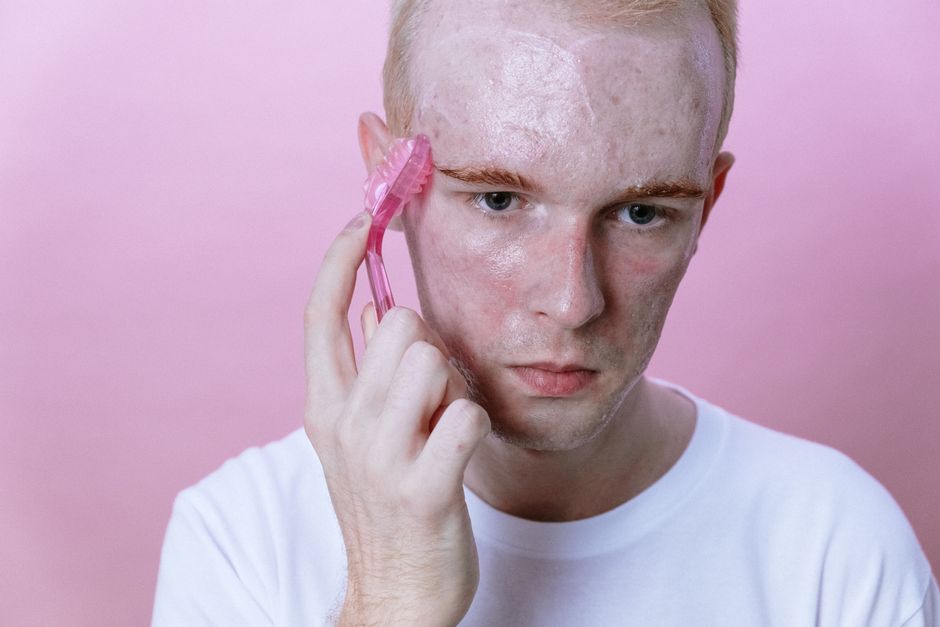
Most boys see their first acne breakouts between ages 11 and 14, right as puberty begins. For many, acne peaks in the mid-to-late teen years and starts to clear by the early twenties. But this timeline varies a lot. Some boys develop acne earlier, and some continue to struggle with breakouts well into adulthood.
When Do Boys Get Acne Ages? Causes And Timeline
Acne in boys follows a fairly predictable pattern tied to puberty. The first pimples usually appear between ages 11 and 14. The most active phase typically happens between ages 14 and 19. During this window, breakouts can be frequent and sometimes severe.
For most young men, acne begins to fade in the early twenties. By age 25, many find their skin has settled. But this is not universal. Some men have acne into their thirties and beyond. Others may have a second wave of breakouts in adulthood even if their teen years were mostly clear.
The timing comes down to hormones. Boys produce increasing amounts of testosterone during puberty. This hormone drives oil production in the skin, which is why acne tends to appear right when other puberty changes do.
What Causes Acne in Boys Specifically?
Acne forms when hair follicles become clogged with oil and dead skin cells. In boys, the main trigger is the surge of androgens — male sex hormones like testosterone. These hormones enlarge the sebaceous glands, which produce sebum, the skin’s natural oil.
More oil means a higher chance of pores clogging. When a pore traps oil and dead skin, bacteria that normally live on the skin can multiply. The immune system responds, causing redness, swelling, and pus — the visible pimples.
Boys often get acne in specific patterns. The face is the most common area, especially the forehead, nose, and chin. But boys frequently develop acne on the chest, shoulders, and back too. These areas have more oil glands and are often affected more severely than in girls.
Genetics play a major role. If a boy’s parents had significant acne, he is more likely to have it as well. The severity, timing, and duration of acne all appear to have a genetic component.
How Long Does Acne Last in Boys?
There is no fixed end date for acne. For most boys, the most noticeable phase lasts about five to seven years, covering the middle and late teen years. After that, hormone levels stabilize and the skin typically becomes less oily.
However, the timeline is not guaranteed. Some boys have mild acne that clears within a couple of years. Others have persistent breakouts that continue into their twenties. Research suggests that roughly one in five men experiences acne that continues past age 25.
Severity matters too. Mild acne may come and go quickly. Moderate or severe acne often lasts longer and may require treatment to prevent scarring. If a boy’s acne is painful, deep, or leaving marks, it is worth seeing a doctor rather than waiting for it to run its course.
-
 What Does A Year Of Hair Growth Look Like Timeline?
 -
How To Prevent Acne After Eating Chocolate What Works?
-
What Kind Of Acne Do I Have Identify Your Type?
-
Will Acne Scars Go Away On Their Own Or Need Treatment?
-
PrimeBiome Reviews: A 2025 Critical Analysis, Real Results, Side Effects, and Is It a Scam?





Mild, Moderate, or Severe? How to Tell
Acne severity ranges widely. Knowing the difference helps families decide when to seek medical care.
- Mild acne: Mostly blackheads and whiteheads with a few inflamed pimples. Usually manageable with over-the-counter cleansers.
- Moderate acne: More inflamed pimples and pustules. May leave temporary dark marks after healing. Often benefits from prescription treatments.
- Severe acne: Deep, painful nodules or cysts. High risk of permanent scarring. Requires a dermatologist’s care.
Painful, deep breakouts are not normal acne that will simply pass. Cystic acne — large, tender bumps under the skin — can cause permanent scars if left untreated. A dermatologist can offer treatments that prevent this damage.
Temporary dark spots after a pimple heals are common, especially in boys with darker skin tones. These are not true scars and usually fade over several months. Real scars — pits or raised bumps — are permanent and are the main reason early treatment matters.
What Actually Helps Treat Teen Acne?
Over-the-counter products work for mild acne. The most effective ones contain benzoyl peroxide or salicylic acid. Benzoyl peroxide kills bacteria and helps clear clogged pores. Salicylic acid helps shed dead skin cells that block follicles.
Washing the face twice daily with a gentle cleanser is reasonable. But scrubbing hard or washing more often can irritate skin and make acne worse. The goal is to remove excess oil without stripping the skin completely.
When over-the-counter options are not enough, doctors have several effective treatments. Topical prescription medications include retinoids, which are vitamin A derivatives that help prevent clogged pores. Antibiotics can reduce skin bacteria and inflammation.
For moderate to severe acne, oral medications may be prescribed. These include antibiotics and, for the most stubborn cases, isotretinoin — a powerful drug that shrinks oil glands. Isotretinoin is highly effective but has significant side effects and requires close medical monitoring.
For boys, there is a specific concern with certain treatments. Hormonal therapies used in girls are not appropriate for boys. But standard acne medications work the same regardless of gender.
Skincare Habits That Actually Matter
Simple habits make a measurable difference. Washing the face twice a day with a gentle cleanser is the foundation. Using a non-comedogenic moisturizer — one that does not clog pores — can help, especially if acne treatments dry out the skin.
Shaving can irritate acne. Using a clean razor, shaving in the direction of hair growth, and applying a soothing aftershave balm may reduce irritation. Some boys find that shaving less frequently helps their skin.
Popping pimples is one of the most common mistakes. It pushes bacteria deeper into the skin and increases inflammation. This makes the pimple worse and raises the risk of scarring. It is better to let a pimple run its course or use a spot treatment.
Diet and acne have a complicated relationship. Some research suggests that high-glycemic foods — like sugary drinks and refined carbohydrates — may worsen acne in some people. Dairy, particularly skim milk, has also been linked to acne in some studies. But the evidence is not strong enough to recommend eliminating these foods entirely.
Sweat and friction can contribute. Wearing tight clothing, helmets, or backpack straps that rub against skin can worsen breakouts in those areas. Showering after heavy sweating is a reasonable habit.
When Should a Boy See a Doctor for Acne?
Seeing a doctor early is the best way to prevent scarring. A dermatologist should be involved if acne is painful, deep, or not improving after several months of consistent over-the-counter treatment.
Another reason to seek care is emotional distress. Acne can significantly affect confidence and social life during the teen years. If a boy is avoiding school, sports, or social activities because of his skin, that is a valid reason to seek professional help.
There is no benefit to waiting until acne becomes severe. Prescription treatments work better when started early. A doctor can also rule out other skin conditions that look like acne but need different treatment.
Frequently Asked Questions
At what age do boys get acne the worst?
Acne is typically worst between ages 14 and 19 for most boys. This is when hormone levels peak and oil production is at its highest.
Can a 10-year-old boy get acne?
Yes, some boys show early signs of acne around age 10, especially if puberty starts early. This is usually mild and often appears as blackheads on the nose or forehead.
Does acne in boys go away on its own?
Mild acne often clears as hormone levels stabilize in the early twenties. Moderate to severe acne may not fully resolve without treatment and can cause permanent scarring.
Is acne a sign of high testosterone in boys?
Acne is related to how the skin responds to androgens, not just the amount of testosterone. Two boys with the same hormone levels can have very different acne severity based on genetics and skin sensitivity.
