
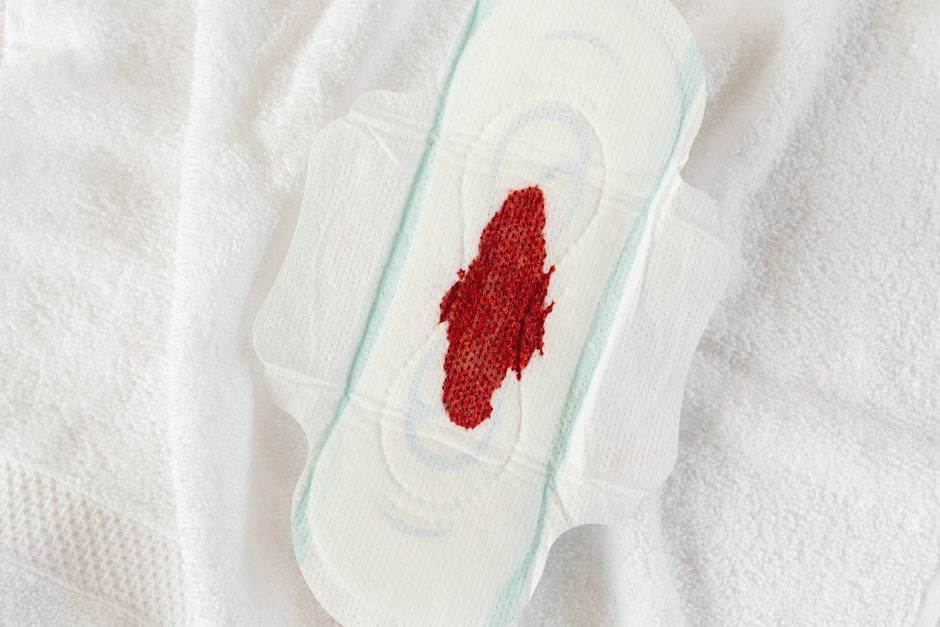
Blood spills look simple to clean, but they are not. Blood is a body fluid that can carry infectious organisms, and standard household cleaners are not designed to handle it. The right approach is to treat any blood spill as potentially infectious, use the correct products in the correct order, and protect yourself while doing it.
The products that matter most are disposable gloves, paper towels or absorbent material, and a disinfectant proven to work against bloodborne pathogens. Plain soap and water or a general-purpose spray cleaner will not reliably kill viruses like hepatitis B, hepatitis C, or HIV in a spill. The order matters too: absorb first, clean second, disinfect last.
Why Is Blood Considered a Hazardous Spill?
Blood can carry viruses that survive outside the body long enough to infect someone who touches a contaminated surface. The three that public health agencies focus on most are hepatitis B, hepatitis C, and HIV.
Hepatitis B is the toughest of the three. Research shows the virus can remain infectious on dried surfaces for at least seven days, and it can still be detected on surfaces where no visible blood remains. That is one reason dried blood is not harmless. Hepatitis C survives outside the body less well than hepatitis B, though it can still persist for days to weeks depending on conditions like temperature and moisture. HIV is far less sturdy. It does not survive long outside the body and is not considered a serious risk from dried surface contact.
Transmission from a surface requires the virus to get into the body, usually through a cut, a scrape, or contact with the eyes, nose, or mouth. Intact skin is a strong barrier. This is why gloves matter and why you should never wipe up blood with bare hands, even a small amount.
Some employers, schools, and public facilities are required to follow specific bloodborne pathogen rules. If you are cleaning up blood at work in a healthcare, childcare, or janitorial setting, follow your workplace exposure control plan. That plan exists because general cleaning advice is not enough for these settings.
What Products Actually Kill Bloodborne Pathogens?
Chlorine bleach mixed fresh with water is the standard disinfectant for blood spills. It is inexpensive, widely available, and effective against hepatitis B, hepatitis C, and HIV when used correctly.
The key phrase is “mixed fresh.” Bleach loses potency over time once diluted. A diluted bleach solution should be used soon after mixing, not stored for later. Many public health agencies recommend a dilution of about 1 part household bleach to 10 parts water for blood spills. Check the label on your bleach bottle for the concentration and follow the manufacturer’s guidance, since bleach products vary.
Other options exist. Some EPA-registered disinfectants carry a claim on the label stating they are effective against bloodborne pathogens. If you use one of these, follow the label exactly. Contact time matters. A disinfectant that needs to sit wet on the surface for a set number of minutes does not work if you wipe it dry immediately.
What does not work reliably:
- Plain soap and water — cleans but does not disinfect
- General-purpose household sprays — not labeled for bloodborne pathogens
- Vinegar, baking soda, or “natural” cleaners — no evidence they inactivate these viruses
- Alcohol wipes on large spills — alcohol evaporates too fast to maintain contact time on a spill
Hydrogen peroxide is sometimes used, and it does have some activity against viruses on surfaces. But for a blood spill, bleach or an EPA-registered bloodborne pathogen disinfectant is the more established choice.
When Cleaning Up Blood Use The Right Products in the Right Order
The sequence protects you and the people who use the space afterward. Skipping a step leaves either visible contamination or live virus behind.
Step 1: Protect yourself. Put on disposable gloves before you touch anything. If there is any chance of splashing, add eye protection and a mask. If you have open cuts on your hands, cover them before gloving.
Step 2: Absorb the liquid. Use paper towels, absorbent pads, or cat litter for larger spills. Work from the outside of the spill toward the center to avoid spreading it. Place used absorbent material in a plastic bag.
Step 3: Clean the surface. Once the bulk of the liquid is gone, wash the area with soap and water or a detergent cleaner. This removes remaining blood and organic material. Disinfectants work poorly when blood or dirt is still present, so this step is not optional.
Step 4: Disinfect. Apply your bleach solution or EPA-registered disinfectant. Let it stay wet on the surface for the contact time listed on the product label. Do not wipe it away early.
Step 5: Dispose and wash. Bag all used materials, seal the bag, and place it in regular trash unless your local rules say otherwise. Remove gloves without touching the outside with bare skin. Wash your hands with soap and water for at least 20 seconds.
One detail people miss: the absorbent material itself is contaminated. Treat every paper towel you used as if it carries infection, and never leave it sitting on a counter or in an open bin.
What Surfaces and Materials Need Special Care?
Hard, non-porous surfaces like tile, laminate, glass, and sealed countertops handle bleach solutions well. Wipe them down, disinfect, and let them air dry.
Porous materials are a different problem. Carpets, upholstery, mattresses, and unfinished wood absorb blood into fibers and pores where surface disinfectant cannot reach. For small spots on these materials, blot with gloves on, then clean with a detergent and follow with a disinfectant labeled for the surface. For larger or saturating spills, professional cleaning or removal is often the more realistic option, because you cannot reliably disinfect what you cannot reach.
Electronics and anything that cannot get wet need a different approach. Unplug the device first. Use the least moisture possible, wipe with a disinfectant wipe labeled for bloodborne pathogens, and follow the manufacturer’s cleaning guidance so you do not damage the item. If blood got inside a device, it usually cannot be safely cleaned at home.
Laundry that has blood on it can generally be washed, but handle it carefully. Wear gloves, keep the item away from your face and body, and wash it separately in the hottest water the fabric allows with detergent. Dry it on the highest heat the fabric can take. Check the fabric care label first, since heat can shrink or damage some materials.
What If You Do Not Have Bleach or Disinfectant?
If you have no appropriate disinfectant on hand, do not improvise with something unproven. Clean up what you can with gloves and soap and water, contain the waste, and then disinfect the area as soon as you can get a proper product.
Soap and water reduce the amount of virus present, but they do not reliably inactivate it. Do not treat a soap-and-water wipe as a finished job. It is a first step, not the last one.
For large spills, spills involving sharps like needles or broken glass, or any spill where you were not able to avoid direct contact, some situations call for professional help. Never pick up broken glass or sharps with your hands, even gloved. Use tongs, a dustpan, or a scoop, and place sharps in a rigid, puncture-resistant container.
What Should You Do If You Are Exposed to Blood?
If blood touches broken skin, your eyes, your nose, or your mouth, wash the area right away with soap and water, or flush eyes and mucous membranes with water. Then seek medical advice promptly.
Timing matters for hepatitis B. There is a vaccine and, for some exposures, post-exposure treatment that can reduce the risk of infection, and it works best when started soon after exposure. This is not a situation to wait on. Contact a healthcare provider or, in the US, a poison control center or your local health department for guidance on next steps.
Do not try to judge your own risk based on how the blood looked or where it came from. You usually cannot know whether blood carries an infection, and the person may not know either. Let a medical professional assess the exposure.
Frequently Asked Questions
What is the best product to clean up blood?
A fresh bleach-and-water solution or an EPA-registered disinfectant labeled for bloodborne pathogens is the most reliable choice. Use it after absorbing the spill and cleaning the surface with soap and water.
Can I get an infection from cleaning up dried blood?
Yes, dried blood can still carry infectious viruses, and hepatitis B in particular can remain infectious on surfaces for days. The risk comes from the virus entering your body through a cut, your eyes, or your mouth, which is why gloves matter.
Does soap and water kill bloodborne viruses?
Soap and water remove blood and reduce the amount of virus present, but they do not reliably kill viruses like hepatitis B or HIV. You still need a proper disinfectant afterward.
How long should bleach sit on a blood spill?
Let the surface stay visibly wet with the bleach solution, then follow the contact time on your product label. Do not wipe it dry immediately, since the disinfectant needs time to work.
