
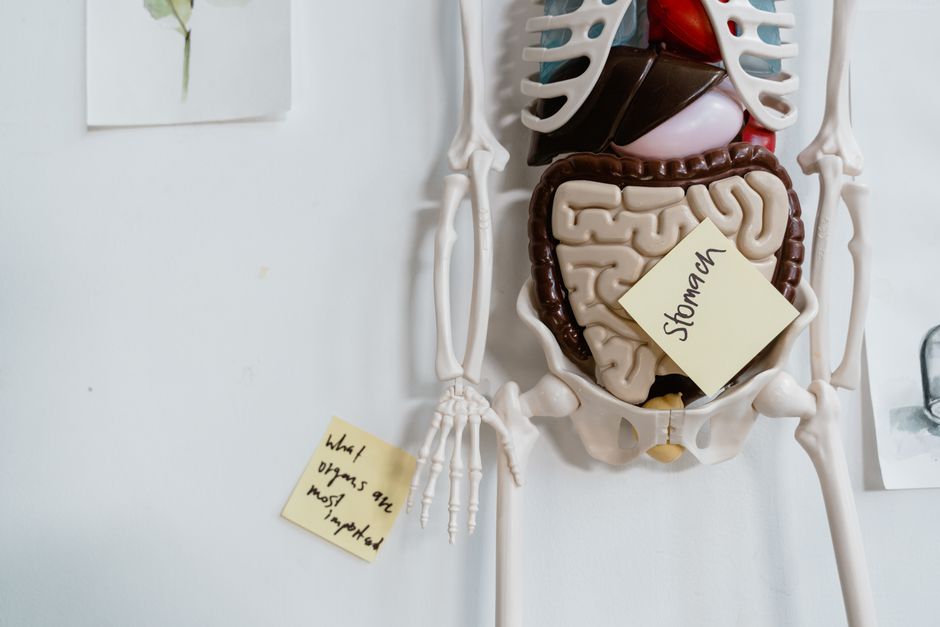
Most people can eat a light, normal diet within 24 to 48 hours after the worst of the stomach flu passes. The key is not a specific day on the calendar — it’s whether your stomach is tolerating food again. Start bland and small, and move forward as your body allows.
The “stomach flu” is not influenza. It is viral gastroenteritis — inflammation of the stomach and intestines caused by viruses such as norovirus or rotavirus. It has nothing to do with the flu shot. Knowing that matters, because the recovery is about calming an irritated gut, not fighting a respiratory infection.
Here is what the evidence actually shows about eating during and after viral gastroenteritis, and how to tell when your gut is ready for real food again.
What Happens to Your Gut During the Stomach Flu?
The virus infects the lining of your small intestine and, in some cases, your stomach. That lining is where digestion and nutrient absorption happen, and it is where the trouble starts.
The infected cells become inflamed and stop working properly. The intestine’s ability to absorb water and sugars drops, while it may secrete more fluid than usual. The result is the watery diarrhea that defines most cases. The stomach can also become irritated, which is why nausea and vomiting often come first.
The important point is that this is temporary damage. The intestinal lining replaces itself constantly, and healthy cells move in to replace the damaged ones over days, not weeks. That turnover is the biological reason most people recover fully. It also explains why your gut is fragile for a short window after the vomiting stops — the lining is still healing even when you feel better.
How Do You Know Your Stomach Is Ready for Food Again?
Your body gives you signals, and they are more reliable than a fixed timeline. The first sign is that you can keep small sips of water down without nausea returning. Once clear fluids stay down, you can usually try a small amount of bland food.
Watch for these signs that your gut is tolerating food:
- You can drink water without feeling sick.
- You have not vomited for several hours.
- Hunger is starting to return, even mildly.
- Small amounts of bland food do not bring back nausea or cramping.
If eating a few crackers brings back nausea, that is not a setback — it is information. Wait an hour or two and try again with a smaller amount. The gut is telling you it needs more time.
One clarification worth making: hunger returning is a genuinely good sign, but it does not mean you should eat a full meal right away. Appetite often comes back before the intestine has fully recovered its absorption capacity. Small, frequent portions work better than one large meal during this window.
When Can You Eat Normally After the Stomach Flu?
For most healthy adults, a normal diet is tolerable within one to two days after vomiting and diarrhea stop. The transition is gradual rather than a single switch.
The typical progression looks like this:
- First: small sips of clear fluids — water, broth, or an oral rehydration solution.
- Next: bland, low-fiber foods in small amounts — crackers, plain rice, toast, bananas, applesauce.
- Then: slightly more substantial foods as tolerance improves — plain chicken, eggs, cooked vegetables.
- Finally: your normal diet, once bland foods sit comfortably.
Children and older adults often need a little more time. Their reserves are smaller, and dehydration is a bigger risk. The same principle applies — follow tolerance, not the clock — but move more slowly and watch hydration closely.
People with weakened immune systems or chronic digestive conditions may take longer and should follow guidance from their own clinician.
What Should You Eat First — and What Should You Avoid?
Bland, easy-to-digest foods are the sensible starting point. They put the least demand on a healing intestine.
Foods that tend to sit well early on:
- Plain crackers, toast, and rice.
- Bananas and applesauce.
- Clear broth and oral rehydration drinks.
- Plain eggs, chicken, or other lean protein once tolerated.
Foods that commonly cause trouble in the first day or two:
- Dairy, which can be harder to digest while the gut lining recovers. Temporary lactose intolerance after gastroenteritis is a real and well-documented effect, especially in children.
- High-fat and fried foods, which slow stomach emptying and can worsen nausea.
- Very high-fiber foods, which can be harsh on an irritated intestine.
- Spicy foods, alcohol, and caffeine, which can irritate the gut and worsen diarrhea.
- Very sugary drinks and juices, which can pull more water into the intestine and worsen diarrhea.
The old advice to avoid all dairy is worth a caveat. Some people tolerate small amounts of yogurt or milk fine. If dairy clearly makes things worse, hold off — but you do not have to avoid it automatically if it causes no symptoms.
Is the BRAT Diet Still Recommended?
BRAT — bananas, rice, applesauce, toast — is a well-known approach, but it is not a complete diet and modern guidance has moved away from relying on it for long. The reason is simple: BRAT is low in protein, fat, and several nutrients. It is fine as a short bridge, not as a plan for several days.
Current thinking favors resuming a normal, balanced diet as soon as it is tolerated, rather than restricting food for days. Prolonged bland eating does not speed recovery and can leave you undernourished when your body needs energy to heal. Use BRAT-style foods as your first step, then widen your diet as your gut allows.
For children, the general direction from pediatric guidance is similar — early refeeding with age-appropriate foods rather than prolonged fasting. If you are unsure about a young child, check with their clinician.
How Do You Prevent Dehydration While You Recover?
Dehydration is the main complication of viral gastroenteritis, and it is more dangerous than the infection itself in most cases. Fluid matters more than food in the first hours.
Small, frequent sips work better than large gulps, which can trigger vomiting. An oral rehydration solution — available at pharmacies — replaces water and electrolytes in the right balance. Sports drinks are not equivalent; they contain a lot of sugar and less sodium than a proper rehydration solution.
Signs of dehydration to watch for include dark urine, infrequent urination, dry mouth, dizziness on standing, and unusual tiredness. In young children, watch for fewer wet diapers, no tears when crying, and sunken eyes. Seek medical care promptly if these appear, or if you cannot keep fluids down at all.
When Should You See a Doctor?
Most cases of viral gastroenteritis resolve on their own within a few days. Some situations call for medical attention rather than home care.
Contact a clinician if you notice:
- Blood or black material in your stool or vomit.
- Signs of dehydration that do not improve with fluids.
- High fever, or a fever that returns after improving.
- Severe abdominal pain, rather than cramping.
- Vomiting that lasts more than a couple of days, or diarrhea lasting more than several days.
- Inability to keep any fluids down.
These signs can point to something other than a simple viral infection, or to a complication that needs treatment. Do not wait them out.
Frequently Asked Questions
When can I eat normally after the stomach flu?
Most healthy adults can return to a normal diet within one to two days after vomiting and diarrhea stop, moving gradually from bland foods. Follow your tolerance rather than a fixed date.
Can I eat dairy with the stomach flu?
Dairy can be harder to digest while the gut lining heals, and temporary lactose intolerance after gastroenteritis is well documented. If it clearly worsens symptoms, hold off until you feel better.
How long does the stomach flu last?
Most viral gastroenteritis cases improve within one to three days, though mild symptoms can linger a little longer. Dehydration is the main concern, so keep taking fluids.
Should I force myself to eat if I have no appetite?
No. Focus on fluids first, and eat small amounts when hunger returns and food stays down. Forcing a full meal too early can bring back nausea.
