
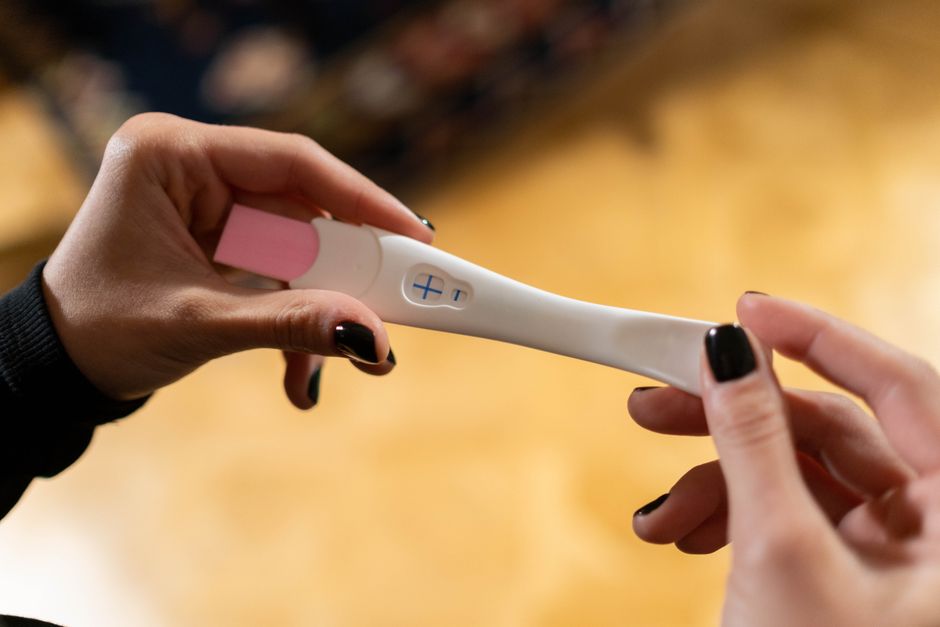
There is no medical rule that says you must wait before telling people you are pregnant. The decision is personal. That said, many people wait until around 12 weeks because the risk of miscarriage drops significantly after the first trimester. If you want to share sooner, you can. If you want to wait longer, that is fine too.
The “12-week rule” is a social convention, not a clinical requirement. It exists because most miscarriages happen in the first trimester. Understanding why that timing matters can help you decide what feels right for you.
Why Do Most People Wait Until 12 Weeks?
The main reason is miscarriage risk. Most pregnancy losses happen in the first trimester, and the risk falls as the pregnancy progresses.
Research consistently shows that the majority of miscarriages occur before 12 weeks. Many of these happen so early that a person may not even know they were pregnant. Once a pregnancy reaches the second trimester, the chance of loss drops considerably.
This is why 12 weeks became the informal marker. It is not a guarantee that everything is fine after that point. Pregnancy loss can happen later, though it is less common.
The 12-week convention also lines up with when many people have their first ultrasound and prenatal visit. Getting visual confirmation of a developing pregnancy and hearing a heartbeat can make the news feel more real and more certain before sharing it widely.
When Can You Announce Pregnancy If You Want to Tell People Earlier?
You can announce at any time you choose. There is no medical reason you must keep early pregnancy private.
Some people tell a close friend or family member the day they see a positive test. Others tell a small circle early and widen it later. There is no right or wrong here.
The reason many people wait is about privacy and support, not safety. If a pregnancy ends early, you may prefer to grieve privately rather than explain what happened to a wide group of people. That is a personal choice, not a medical one.
One practical point: early pregnancy symptoms like nausea and fatigue can be hard to hide. Some people announce earlier simply because they need understanding and flexibility at work or from friends.
What Are the Actual Chances of Miscarriage by Week?
Miscarriage is common. It is the most frequent complication of early pregnancy.
Estimates vary depending on how miscarriage is defined and how early pregnancies are counted. Many pregnancies end before a person even misses a period, and these are often not counted in clinical statistics. Among pregnancies that are recognized clinically, the risk of miscarriage is highest in the earliest weeks and declines steadily as the pregnancy advances.
By the end of the first trimester, the risk of loss is much lower than it was in early weeks. It does not reach zero. Later pregnancy loss still happens, but it is less frequent.
Because exact week-by-week percentages depend on the study population and how pregnancy is confirmed, I am not giving specific figures here. If you want numbers tailored to your situation, your clinician can give you a more precise picture based on your age, health history, and how far along you are.
Does Waiting Until 12 Weeks Make Sense for Everyone?
No. The 12-week mark is a common reference point, not a rule that fits every person or every pregnancy.
Several factors can shape the timing that feels right:
- Your personal history with pregnancy loss or fertility treatment
- Whether you have a partner and how you want to share the news together
- Your workplace situation and whether early symptoms affect your work
- Your cultural or family traditions around pregnancy announcements
- Whether you have had an early scan that gave you reassurance
People who have experienced previous losses sometimes wait longer, sometimes share earlier with a trusted few. People going through fertility treatment may have told many people already, since the process itself is often not private.
There is no universal right answer. The timing that protects your privacy and gives you the support you need is the right one for you.
What Happens at the First Prenatal Visit?
The first prenatal visit usually happens in the first trimester, often between 8 and 12 weeks. It typically includes a health history, blood pressure check, weight, and lab tests.
Depending on the practice, you may have an ultrasound to confirm the pregnancy, check the due date, and look for a heartbeat. Hearing or seeing a heartbeat is often a milestone that makes people feel ready to share their news.
Some clinicians schedule the first ultrasound earlier if there is a reason, such as pain, bleeding, or a history of loss. Others follow a standard schedule. Your clinician can tell you what to expect at your practice.
One clarification worth knowing: an early scan that shows a heartbeat is reassuring, but it does not guarantee the pregnancy will continue. It lowers uncertainty. It does not remove it entirely.
How Do You Decide Who to Tell and When?
Think about who you would want supporting you if something went wrong. That question often helps people decide who to tell early.
Many people use a tiered approach. They tell a small number of trusted people early, then share more widely after the first trimester or after a reassuring scan. This lets them have support without a public conversation if the pregnancy ends.
If you tell people early and the pregnancy does end, you are not obligated to update everyone. You can ask a partner or close friend to share the news if you prefer not to repeat it yourself.
There is also no rule that you must announce at all. Some people keep pregnancy private for personal or cultural reasons, and that is entirely their choice.
Does Announcing Early Put the Pregnancy at Risk?
No. Telling people you are pregnant does not affect the pregnancy.
There is no evidence that sharing the news early changes the outcome. The idea that announcing early “jinxes” a pregnancy is a cultural belief, not a medical fact. Pregnancy loss is caused by chromosomal abnormalities, maternal health conditions, and other biological factors, not by who knows about the pregnancy.
What announcing early can affect is your privacy and your social situation. That is a real consideration. But it is not a health risk to the pregnancy.
What If You Are Not Sure How Far Along You Are?
Early dating can be uncertain, especially if your cycles are irregular. This can make the 12-week mark harder to pin down.
An early ultrasound is the most accurate way to establish gestational age. If your dates are unclear, your clinician may recommend a scan to confirm how far along you are. This can also help you decide when to share your news.
If you are unsure of your dates, you might choose to wait for a scan before announcing widely. That is a practical choice, not a requirement.
Frequently Asked Questions
When is the safest time to announce a pregnancy?
There is no medically “safest” time, because announcing does not affect the pregnancy. Many people choose to wait until around 12 weeks because miscarriage risk is lower after the first trimester.
Can I announce my pregnancy at 5 weeks?
Yes, you can announce at any point you choose. Some people tell close family or friends as soon as they see a positive test, while others wait longer for privacy or reassurance.
Does telling people early cause miscarriage?
No. There is no evidence that sharing pregnancy news early affects the outcome. Miscarriage is caused by biological factors, not by who knows about the pregnancy.
Should I wait until after my first ultrasound to announce?
It is a personal choice, not a medical requirement. Some people feel more confident sharing after seeing a heartbeat on a scan, but waiting is not necessary for the health of the pregnancy.
