
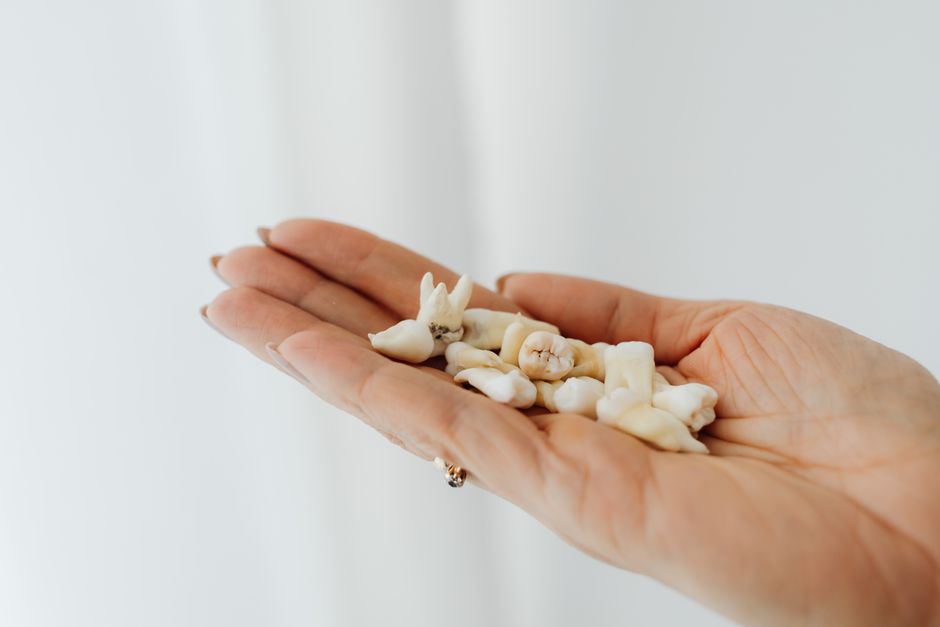
You can usually start brushing the teeth next to the extraction site with a soft toothbrush within 24 hours, but you should avoid using toothpaste on the socket itself for at least 3 to 7 days. Most dentists advise skipping toothpaste entirely for the first 24 hours and keeping it away from the healing socket for about a week. The reason is not the toothpaste itself — it is the suction, spitting, and rinsing that come with brushing and can dislodge the protective blood clot.
That clot is the entire game. It covers the exposed bone and forms the scaffold for new tissue. Lose it, and you risk a painful condition called dry socket. So the real question is not just when you can use toothpaste, but how to brush in a way that protects the clot while it sets.
When Can I Use Toothpaste After Tooth Extraction?
The 24-hour mark is the standard dividing line. For the first day after surgery, most oral surgeons and dentists advise leaving the mouth alone — no rinsing, no spitting, no brushing near the site. Some clinicians suggest skipping brushing altogether for the first 24 hours; others say you can gently brush your other teeth as long as you keep the brush far from the socket.
After that first day, you can resume brushing the rest of your mouth with a soft-bristled brush and a small amount of toothpaste. The socket area itself needs more time. A common recommendation is to keep toothpaste and vigorous brushing away from the extraction site for about a week, until the gum tissue has begun to close over it.
Here is the part people miss: toothpaste is not the danger. The action is. Bubbling, rinsing, and spitting create pressure changes in the mouth that can pull the clot out of the socket. Even a small amount of foam reaching the site is less of a problem than the swishing and spitting that usually follow.
If you had a simple extraction with no complications, the timeline above is typical. If you had a surgical extraction, a wisdom tooth removed, or you take blood thinners, healing may take longer and your dentist’s specific instructions should guide you.
Why the Blood Clot Matters More Than the Toothpaste
After a tooth is removed, the body’s first move is to fill the empty socket with a blood clot. That clot is not a nuisance to be cleaned away — it is a biological bandage. It seals the wound, stops the bleeding, and provides the surface that new gum and bone tissue grow across.
When the clot is dislodged before healing is underway, the result is dry socket (the clinical term is alveolar osteitis). The exposed bone and nerve endings produce a deep, throbbing pain that often radiates to the ear, and it usually starts a few days after the extraction. It is more common after surgical extractions and in smokers.
This is why so much post-extraction advice centers on protecting the clot rather than cleaning the wound. Rinsing too hard, spitting, drinking through a straw, and smoking all create suction or pressure that can loosen it. Toothpaste plays a minor role in this story. The behaviors around it play the major one.
How to Brush Safely After a Tooth Extraction
Brushing the rest of your mouth is fine and even helpful — you do not want plaque building up while you heal. The technique just needs adjusting for a few days.
- Use a soft-bristled toothbrush. Hard bristles are more likely to irritate healing gum.
- Use a small amount of toothpaste and keep it away from the socket.
- Brush gently and slowly, especially on the side of the mouth where the tooth was removed.
- Do not spit forcefully. Let the toothpaste foam dribble out, or wipe it away with a tissue.
- Do not rinse vigorously. If your dentist has cleared you to rinse, do it gently.
- Avoid a mouthwash containing alcohol in the early days, as it can sting and irritate the site.
Some dentists suggest using a cotton swab or a very soft brush to clean the teeth directly next to the socket, rather than a full brush head. Others recommend holding off on the adjacent teeth for a day or two. Both approaches are reasonable. What matters is that you are not scrubbing the extraction site.


Toothpaste Ingredients and the Healing Socket
Standard toothpaste contains fluoride, abrasives, foaming agents, and often flavorings like peppermint or cinnamon. None of these are designed to touch an open wound. Fluoride is beneficial on tooth enamel but has no role in socket healing. Abrasives are meant for teeth, not gum tissue.
Some people ask about using a milder or “natural” toothpaste instead. There is no clinical evidence that any specific toothpaste speeds healing or is safer for an extraction socket. The safest approach is simply to keep toothpaste off the socket until the gum has closed over it.
There is one ingredient worth a note. Toothpaste that contains stannous fluoride or strong flavorings can sting if it reaches raw tissue. If you feel a sharp burn when brushing, that is a sign the paste is reaching the site. Rinse gently with plain water and keep the brush farther away next time.
What to Avoid in the First Week
The first week after extraction is when the clot is most vulnerable. Most of the risk comes from pressure and suction, not from toothpaste.
- Do not drink through a straw. The suction can pull the clot loose.
- Do not smoke or vape. Smoking is one of the strongest risk factors for dry socket.
- Do not swish liquids forcefully in your mouth.
- Do not poke the socket with your tongue, a finger, or a toothpick.
- Avoid very hot, spicy, or crunchy foods that can irritate the site.
- Do not use a water flosser near the extraction area.
If your dentist has prescribed a rinse — often a chlorhexidine solution — use it exactly as directed, and only once they have told you to start. Do not add your own rinses on top of that without asking.
Signs You Should Call Your Dentist
Some discomfort after an extraction is normal and usually eases over the first few days. Certain symptoms are not normal and warrant a call to your dentist.
- Pain that gets worse after day 2 or 3 instead of better
- A deep, throbbing pain that radiates to your ear or jaw
- A bad taste or foul odor coming from the socket
- Visible bone in the socket, or an empty-looking socket
- Bleeding that does not stop with gentle pressure
- Fever or swelling that is increasing
These can point to dry socket or infection. Both are treatable, but they need a clinician to assess them. Do not try to manage them at home with toothpaste or rinses.
When Normal Brushing Can Resume
Most people can return to normal brushing once the gum tissue has closed over the socket, which typically takes about a week to ten days. Your dentist will usually confirm this at a follow-up visit, especially after a surgical extraction.
Until then, gentle brushing of the rest of the mouth with a small amount of toothpaste is reasonable. The socket itself should be left alone. If you are unsure whether your socket has healed enough, ask your dentist rather than guessing. Healing timelines vary with the type of extraction, your overall health, and whether you smoke.
A simple rule that covers most cases: brush everything except the socket, keep toothpaste off the wound, and avoid anything that creates suction or pressure. That approach protects the clot while letting you keep the rest of your mouth clean.
Frequently Asked Questions
Can I use toothpaste 24 hours after a tooth extraction?
You can usually use a small amount of toothpaste on the teeth away from the socket after the first 24 hours. Keep it off the extraction site itself and avoid spitting or rinsing forcefully.
What happens if toothpaste gets into the extraction socket?
A small amount of toothpaste reaching the socket is unlikely to cause harm on its own. The bigger risk is the rinsing and spitting that usually follow, which can dislodge the blood clot.
Can I brush my teeth the day after a tooth extraction?
Most dentists allow gentle brushing of the teeth away from the socket starting the day after surgery. Do not brush directly over the extraction site until the gum has begun to heal.
How long should I avoid toothpaste after a tooth extraction?
A common recommendation is to keep toothpaste away from the socket for about a week, until the gum tissue has closed over it. Your dentist may adjust this based on how your extraction is healing.
