
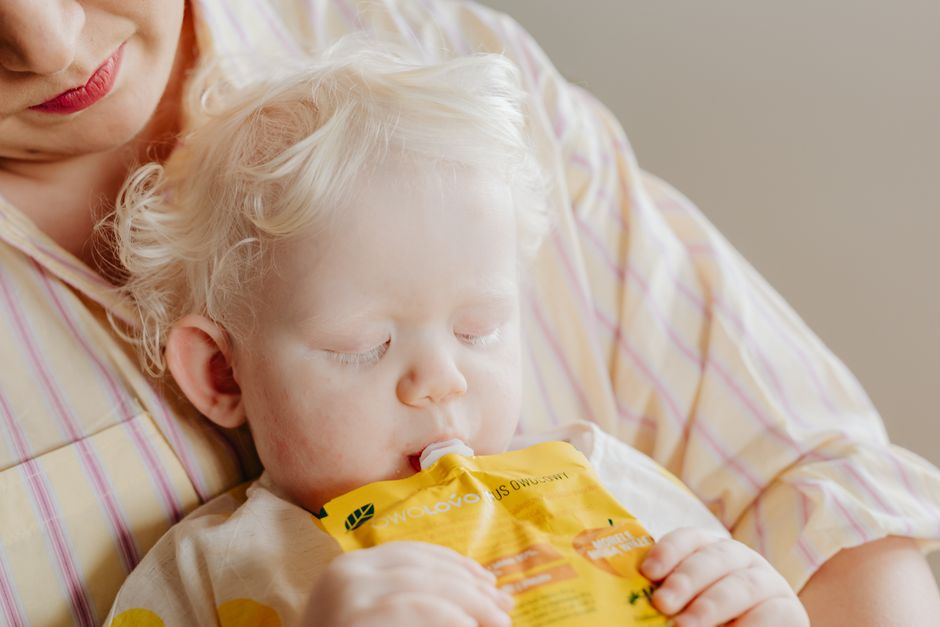
Most babies are ready to try their first tastes of food at around 6 months of age. That timing is not arbitrary. It reflects when a baby’s digestive system, swallowing skills, and nutrient needs have developed enough to handle something beyond breast milk or formula. Before 4 months, a baby’s body is not ready for solid foods. Between 4 and 6 months, some babies show signs of readiness, but most pediatric guidance points to 6 months as the target.
Readiness is not just about a birthday. It is about watching your baby for specific developmental signs. A baby who can sit with support, hold their head steady, and show interest in food is telling you something. A baby who still pushes food out with their tongue or slumps over in a high chair is not ready yet, no matter the calendar.
When Can I Let My Baby Taste Food Age Readiness?
The short answer is around 6 months, and this is one of the few feeding topics where major health organizations largely agree. The World Health Organization recommends exclusive breastfeeding for the first 6 months, followed by the introduction of complementary foods. The American Academy of Pediatrics similarly supports starting solids at about 6 months. These are not arbitrary numbers pulled from thin air.
By 6 months, a baby’s iron stores from birth begin to run low. Breast milk alone cannot meet the growing demand for iron and zinc at that point. Solid foods help fill that gap. Before 6 months, breast milk or formula provides everything a baby needs. Introducing solids earlier does not offer a nutritional advantage for most babies and may carry some risks.
There is a range here. Some babies show clear readiness signs slightly before 6 months, and some are not ready until a bit after. The window is not a single day. What matters is that you are watching your baby, not just the calendar.
What Are the Signs Your Baby Is Ready for Solid Foods?
Readiness shows up in a cluster of signs, not just one. A baby who can do all of the following is likely ready:
- Head control: Your baby can hold their head up steady and keep it upright without bobbing.
- Sitting with support: Your baby can sit upright in a high chair with minimal help and does not slump forward or to the side.
- Tongue thrust fading: The reflex that pushes food out of the mouth starts to fade. If your baby pushes most food back out with their tongue, they may not be ready.
- Interest in food: Your baby watches you eat, reaches for food, or opens their mouth when food comes near.
- Coordinated swallowing: Your baby can move food to the back of the mouth and swallow it rather than letting it pool or dribble out.
One sign alone is not enough. A baby who reaches for your fork but cannot sit upright is not ready. A baby who can sit well but shows zero interest in food may just need a little more time.
A common mistake is reading hunger as readiness. A baby who seems hungrier than usual or wakes more at night may be going through a growth spurt, not asking for solids. Starting solids does not reliably improve infant sleep, despite what many parents are told.
Why Is 6 Months the Recommended Age?
Six months is not a random milestone. Several systems mature around this time, and they all need to be working together before solids make sense.
The digestive system becomes better equipped to handle more complex foods. The kidneys mature enough to manage the extra solute load that comes with food beyond milk. The mouth and throat develop the coordination needed to move a bolus of food safely to the back of the mouth and swallow it without choking.
There is also the iron question. Full-term babies are born with iron stores that generally last about 4 to 6 months. After that, breast milk alone does not provide enough iron to meet a growing baby’s needs. Iron-fortified cereals, pureed meats, and other iron-rich foods help bridge that gap. This is one reason the 6-month mark matters nutritionally, not just developmentally.
Introducing solids too early — before 4 months — has been associated with some risks. These include an increased chance of choking, digestive upset, and possibly a higher risk of certain allergies, though the allergy research is still evolving. Early introduction also tends to replace breast milk or formula calories at a time when those are still the primary source of nutrition.
What About Starting Before 6 Months?
Some parents are eager to start solids earlier, and some babies seem ready. The general guidance is to wait until about 6 months unless a pediatrician specifically recommends otherwise for a medical reason.
Between 4 and 6 months, a baby may show some signs of readiness — good head control, interest in food — but their digestive and swallowing systems may not be fully prepared. The risk of choking is higher, and the nutritional benefit is minimal. Breast milk or formula still meets all their needs during this window.
There are rare situations where a pediatrician might suggest starting solids earlier. These are individual medical decisions, not general recommendations. If you are considering starting before 6 months, talk to your baby’s doctor first.
How Should You Introduce First Tastes?
The first tastes are less about nutrition and more about experience. At this stage, food is a supplement to breast milk or formula, not a replacement. Most of your baby’s calories should still come from milk for the first several months of eating.
Start with single-ingredient foods. Pureed vegetables, fruits, iron-fortified infant cereal, and pureed meats are common first choices. Offer one new food at a time, and wait a few days before trying another. This makes it easier to spot a reaction if one occurs.
Texture matters. Thin purees are a good starting point. As your baby gets more practice, you can gradually thicken the texture. Some families use a baby-led approach with soft finger foods, but this requires close supervision and a baby who can sit upright and bring food to their mouth. Both spoon-feeding and baby-led approaches can work. The evidence does not clearly favor one over the other for most outcomes.
Never leave a baby alone with food. Choking is a real risk, and it is different from gagging. Gagging is a normal protective reflex that helps move food forward. Choking is silent and requires immediate action. Knowing the difference matters.
Avoid honey before 12 months. It can carry spores that cause infant botulism, a rare but serious illness. Also avoid foods that are choking hazards — whole nuts, whole grapes, chunks of hard raw vegetables, popcorn, and hard candy.
Do You Need to Worry About Allergies?
The thinking on allergen introduction has changed significantly over the past couple of decades. For years, parents were told to delay introducing common allergens like peanuts and eggs. That advice has largely been reversed.
Current evidence suggests that introducing allergenic foods early and regularly may actually reduce the risk of developing allergies, particularly for babies at higher risk. This does not mean you should give a baby a spoonful of peanut butter. Whole peanut butter is a choking hazard. Thinned peanut butter or peanut powder mixed into food is a safer option.
If your baby has severe eczema, an existing food allergy, or a strong family history of allergies, talk to your pediatrician before introducing common allergens. In some cases, they may recommend testing or a supervised introduction. For most babies, introducing allergens around 6 months as part of normal feeding is considered reasonable and possibly protective.
What If Your Baby Refuses Food?
Refusing food in the early weeks of solids is common and usually not a sign of a problem. Some babies need many exposures to a new food before they accept it. Taste preferences develop over time, and a food rejected on day one may be accepted on day ten.
Do not force it. Pressuring a baby to eat can backfire and create negative associations with mealtime. Offer the food, let your baby explore it, and try again another day. If your baby consistently refuses all foods well past 6 months, or if you notice weight loss, poor weight gain, or feeding difficulties, talk to your pediatrician.
Every baby moves at their own pace. Some take to solids quickly. Others take weeks to warm up. Both are within the range of normal. What matters most is that you are following your baby’s cues and keeping mealtimes low-pressure.
Frequently Asked Questions
Can I start my baby on solids at 4 months?
Most health organizations recommend waiting until about 6 months. Starting at 4 months is generally not advised unless a pediatrician recommends it for a specific medical reason.
How do I know if my baby is ready for solids?
Your baby should be able to hold their head steady, sit upright with support, and show interest in food. The tongue-thrust reflex should also be fading so food is not pushed back out.
What should I feed my baby first?
Single-ingredient purees like pureed vegetables, fruits, or iron-fortified infant cereal are common first foods. Iron-rich options help meet your baby’s growing nutritional needs around 6 months.
Is it safe to give my baby peanut butter at 6 months?
Yes, for most babies, introducing peanut products around 6 months is considered safe and may help reduce allergy risk. Whole peanut butter is a choking hazard, so thin it or use peanut powder mixed into food.
