
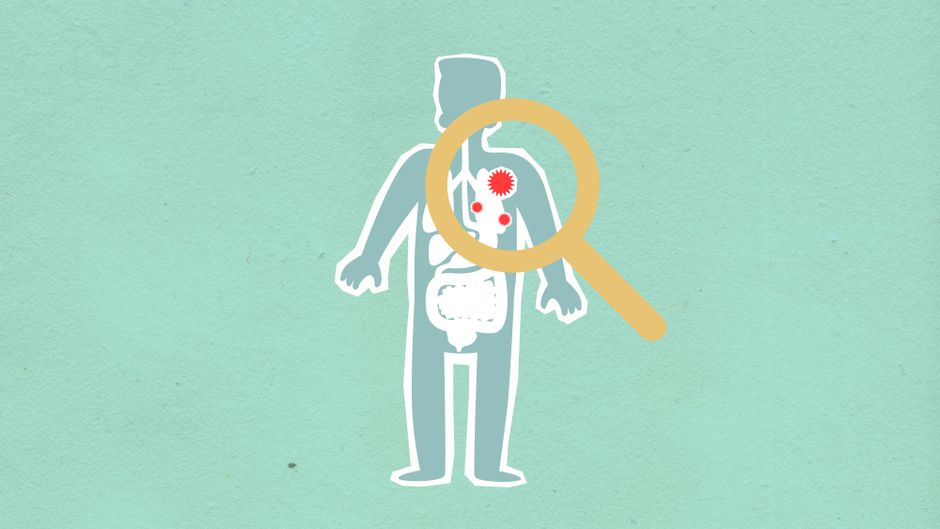
Campylobacter is one of the most common causes of foodborne diarrheal illness in the United States, but in a small number of cases the bacteria escape the gut and enter the bloodstream. That condition is called Campylobacter bacteremia, and it is a serious, invasive infection rather than a routine case of food poisoning. It happens most often in people whose immune systems are weakened, in older adults, and in those with underlying conditions such as liver disease or blood disorders. Bacteremia is uncommon, but when it occurs it requires prompt medical evaluation and antibiotic treatment.
What Is Campylobacter Bacteremia?
Campylobacter bacteremia means live Campylobacter bacteria are present in the bloodstream. This is different from the far more common situation where the bacteria stay in the intestinal tract and cause diarrhea, cramping, and fever.
The gastrointestinal illness is called campylobacteriosis. It is typically self-limiting, meaning it resolves on its own in most healthy people without antibiotics. Bacteremia is a separate and more serious event. Once bacteria are circulating in the blood, the infection is no longer confined to the gut, and the body’s response can become systemic.
The distinction matters because it changes how the illness is managed. A routine Campylobacter infection in a healthy adult is often watched rather than treated aggressively. Bacteremia generally calls for antibiotics and closer monitoring, because the bacteria have reached a space they normally do not occupy.
How Does Campylobacter Spread From the Gut to the Blood?
The exact route is not fully understood, but the leading explanation involves the bacteria crossing the intestinal lining and entering the bloodstream directly. The gut wall is normally a barrier that keeps bacteria in the intestinal tract. When that barrier is compromised, organisms can pass through.
Several factors can weaken that barrier or allow bacteria to survive once they cross it:
- Damage to the intestinal lining from severe or prolonged diarrhea
- A weakened immune system that cannot clear bacteria entering the blood
- Underlying liver disease, which can affect how the body filters bloodborne organisms
- Certain blood cancers or conditions that reduce normal immune defenses
Campylobacter also has features that help it survive in the body, including the ability to change the surface molecules that the immune system recognizes. That does not mean it is designed to cause bloodstream infection. It means that in a person whose defenses are already strained, the bacteria have a better chance of persisting once they get there.
An important point: biological plausibility is not the same as proof. The mechanism above reflects what is generally understood about how gut bacteria invade the blood, but the precise steps for Campylobacter specifically are still an area of study.
Who Is Most at Risk?
Campylobacter bacteremia is strongly associated with people whose immune defenses are reduced. The pattern is consistent across clinical reports, even though the absolute number of cases is small.
Groups described most often in the medical literature include:
- People with weakened immune systems, whether from disease or from medications that suppress immunity
- Older adults
- People with liver disease, including cirrhosis
- People with blood cancers or other disorders affecting blood cells
- People living with HIV, particularly when the immune system is significantly compromised
It is worth being clear about what this list does and does not mean. Being in one of these groups raises the likelihood compared with the general population, but most people in these groups who get Campylobacter diarrhea still do not develop bacteremia. The infection stays in the gut in the large majority of cases.
Healthy people can develop bacteremia too, but it is uncommon. When it happens in someone without obvious risk factors, clinicians often look for an underlying condition that had not been recognized.





What Are the Symptoms of Campylobacter Bacteremia?
The symptoms reflect a systemic infection rather than a localized gut illness. Fever is common and often the most prominent sign. Chills, a general feeling of being unwell, and fatigue are frequently reported.
Because the infection has moved beyond the gut, digestive symptoms may or may not be present. Some people have diarrhea at the same time. Others have few or no intestinal symptoms, which can make the picture harder to recognize.
Depending on where the bacteria settle, other problems can develop. Campylobacter in the blood has been associated with infections in other parts of the body, including the heart valves, joints, and other tissues. These are not the typical presentation, but they are recognized complications.
The key practical point is that a high fever with shaking chills in someone who is immunocompromised or has liver disease is a reason to seek medical care promptly, especially if there has been recent diarrheal illness. That combination should not be managed at home.
How Is It Diagnosed?
Diagnosis requires a blood culture. This is a laboratory test in which a sample of blood is placed in a medium that encourages any bacteria present to grow. If Campylobacter grows from the blood, that confirms bacteremia.
A stool test can identify Campylobacter in the intestines, but a positive stool test does not tell you whether the bacteria are in the blood. Those are separate questions, and only a blood culture answers the bloodstream one.
Blood cultures take time. Bacteria need to grow in the lab before they can be identified, so results are not immediate. Because of that delay, treatment decisions are often made based on the clinical picture while results are pending.
Doctors may also order other tests depending on symptoms, such as imaging or tests on other body fluids, to check whether the infection has spread to specific organs. The specific tests depend on what the person is experiencing.
How Is Campylobacter Bacteremia Treated?
Bacteremia is treated with antibiotics. This is a meaningful difference from uncomplicated Campylobacter diarrhea, where antibiotics are often not needed and supportive care may be enough.
Which antibiotic is used depends on several factors, including the severity of illness, the person’s history, and local patterns of antibiotic resistance. Campylobacter resistance to some commonly used antibiotics, particularly fluoroquinolones, has become more common in many parts of the world. That is one reason treatment is guided by culture results and susceptibility testing whenever possible.
Because treatment choices depend on resistance patterns, the person’s condition, and other individual factors, no single antibiotic regimen applies to everyone. This is a decision for a clinician, not something to manage independently.
Supportive care matters too. Fluids, monitoring of vital signs, and management of any complications are part of treatment. In severe cases, hospitalization may be needed.
It is honest to say that the evidence base for treating Campylobacter bacteremia specifically is limited. Much of what guides care comes from general principles of treating bloodstream infections and from clinical experience, rather than from large trials focused only on this organism. That does not mean treatment is uncertain in a harmful way. It means the recommendations rest partly on established practice for invasive bacterial infections broadly.
How Serious Is It and What Is the Outlook?
Campylobacter bacteremia is a serious infection. It carries a higher risk of complications and death than uncomplicated Campylobacter diarrhea, particularly in people who are already medically fragile.
That said, the outlook varies widely. Many people recover fully with appropriate antibiotic treatment, especially when the infection is recognized and treated promptly and when the person’s underlying health is reasonably good. Outcomes tend to be worse in people with weakened immune systems, significant liver disease, or other serious underlying conditions.
It is not possible to give a single reliable recovery rate that applies to everyone. Reported outcomes differ across studies and populations, and the numbers depend heavily on who is being studied. Anyone quoting one figure as universal is oversimplifying.
The practical takeaway is that this is a condition where early recognition matters. Delays in diagnosis and treatment are associated with worse outcomes, which is why persistent fever in a high-risk person deserves prompt attention.
How Can Campylobacter Infection Be Prevented?
Preventing the initial gut infection is the first line of defense, since bacteremia usually follows a gastrointestinal illness. Campylobacter is commonly linked to undercooked poultry, contaminated water, unpasteurized milk, and cross-contamination in the kitchen.
Steps that reduce risk include:
- Cooking poultry thoroughly so the meat is no longer pink and juices run clear
- Washing hands after handling raw poultry and after contact with animals
- Keeping raw meat separate from ready-to-eat foods
- Cleaning cutting boards and utensils that touched raw meat
- Avoiding unpasteurized milk and untreated water
These measures reduce the chance of the intestinal infection that can, in some people, progress to bacteremia. They do not eliminate risk entirely, and they do not guarantee that bacteremia will not occur, but they lower the odds of the starting point.
For people who are immunocompromised, extra care with food safety is reasonable, and discussing any prolonged or severe diarrheal illness with a clinician early is sensible rather than waiting it out.
Frequently Asked Questions
How common is Campylobacter bacteremia?
It is uncommon. Only a small fraction of Campylobacter infections spread to the bloodstream, and most cases occur in people with weakened immune systems or other underlying conditions.
Can Campylobacter bacteremia go away on its own?
It should not be assumed to resolve without treatment. Bacteremia is generally managed with antibiotics, and anyone with suspected bloodstream infection needs prompt medical evaluation.
How long does Campylobacter bacteremia last?
Recovery time varies depending on the person’s health, how quickly treatment starts, and whether complications develop. There is no single reliable timeline that applies to everyone.
Is Campylobacter bacteremia contagious?
The bloodstream infection itself is not spread from person to person. The intestinal form of Campylobacter can spread through contaminated food, water, or contact, which is how the initial infection is usually acquired.
