
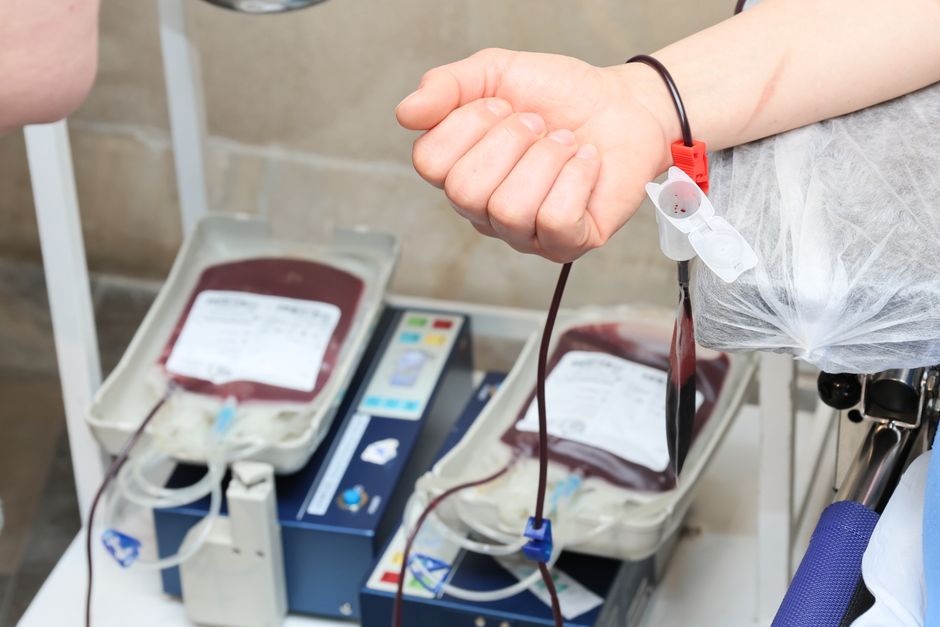
Blood transfusions can save lives, but they do not always work forever. When a transfusion stops working, the body is not getting the oxygen or clotting help it needs. This can happen quickly or build up over time. The medical term for this is transfusion refractoriness, and it is more common than most people realize.
What Does “Blood Transfusions Stop Working” Actually Mean?
A blood transfusion works when the donated cells survive in your bloodstream and do their job. Red blood cells carry oxygen. Platelets help blood clot. When a transfusion stops working, the donated cells are destroyed too quickly or never function properly in the first place.
For red blood cells, this means your hemoglobin levels do not rise as expected after a transfusion. For platelets, it means your platelet count stays low or bleeding does not stop. Doctors call this a poor response to transfusion.
The most common cause is the immune system. Your body recognizes the donated cells as foreign and destroys them. This is called alloimmunization. It happens when you have had multiple transfusions, pregnancies, or organ transplants. Each exposure can create new antibodies that attack future transfusions.
Why Does the Body Reject Transfused Blood?
Your immune system is designed to attack what it does not recognize. Blood cells have proteins and sugars on their surface called antigens. When donated blood has antigens your body does not have, your immune system may build antibodies against them.
This is why blood typing matters. ABO and Rh matching prevent the most dangerous reactions. But there are hundreds of other antigens on blood cells. The more transfusions you receive, the more likely you are to develop antibodies to these minor antigens.
Some patients develop antibodies to specific platelet antigens. This is particularly common in people who receive many platelet transfusions, such as patients with blood cancers or those undergoing bone marrow transplants.
Non-immune causes exist too. The spleen can destroy transfused cells. Certain medications can cause destruction of both your own and transfused blood cells. Infections and active bleeding can consume transfused cells faster than they can help.
How Do Doctors Know a Transfusion Has Stopped Working?
Doctors measure response to transfusion with blood tests. For red blood cells, they check hemoglobin before and after transfusion. A typical expectation is that one unit of red blood cells raises hemoglobin by about 1 gram per deciliter in an average-sized adult. If the rise is much less, the transfusion is not working effectively.
For platelets, doctors use a calculation called the corrected count increment. They check platelet counts 10 to 60 minutes after transfusion and again 18 to 24 hours later. A poor rise at either time point suggests the platelets are being destroyed or consumed.
Signs that a transfusion is not working can also appear in your symptoms. You may continue to feel weak, short of breath, or fatigued. You may keep bruising or bleeding even after platelet transfusions. These symptoms matter as much as lab values.




When Blood Transfusions Stop Working What Happens to Your Body?
When transfusions stop working, the underlying condition that required them continues. If you needed transfusions for anemia, your anemia persists. If you needed them for bleeding, the bleeding continues or worsens.
This creates a serious medical situation. Without working transfusions, your body struggles to deliver oxygen to tissues. Organs can begin to fail. The heart works harder to compensate, which can lead to heart strain or failure in severe cases.
For patients with bone marrow failure, the stakes are higher. Conditions like aplastic anemia, myelodysplastic syndrome, or leukemia may leave the bone marrow unable to produce enough blood cells on its own. When transfusions stop working, these patients have few options left.
Iron overload is another concern. Even when transfusions work, the body cannot easily remove the extra iron from donated red blood cells. Over time, iron builds up in the liver, heart, and pancreas. When transfusions stop being effective, this problem does not go away. It may have already caused damage.
What Are the Treatment Options When Transfusions Fail?
The first step is finding out why the transfusion is failing. A blood bank specialist, usually a pathologist or hematologist, can test your blood for antibodies. This testing is called a panel or antibody identification. It can take days to get results.
If antibodies are the problem, the solution is finding blood that lacks the antigens your antibodies attack. Blood banks can do this, but it takes time and the blood may be harder to find. This is called antigen-negative blood.
For platelet refractoriness, options include HLA-matched platelets. These are platelets from donors whose tissue type closely matches yours. They are less likely to be attacked by your immune system.
Some medications can help. For example, drugs that suppress the immune system may reduce antibody production. Medications that stimulate your own blood cell production, such as erythropoietin, may reduce your need for transfusions altogether.
Can Medications Replace Transfusions?
For some patients, yes. Erythropoietin stimulates the bone marrow to make more red blood cells. It is commonly used in kidney disease and some types of anemia. It does not work for everyone and takes weeks to show effect.
For platelets, there are medications called thrombopoietin receptor agonists. These drugs stimulate platelet production. They are approved for certain conditions like immune thrombocytopenia and are sometimes used in other settings.
Iron supplements can help if iron deficiency is causing the anemia. Vitamin B12 and folate are essential for blood cell production. But these treatments only work if the underlying problem is a nutritional deficiency or a bone marrow that can still respond.
When the bone marrow itself is failing, medications cannot always fix the problem. In these cases, the only curative option may be a stem cell transplant. This is a high-risk procedure but can restore the bone marrow’s ability to make blood cells.
What Can Patients Do to Prepare?
If you need regular transfusions, talk to your doctor about your antibody status. Ask whether you have been tested for antibodies and what your blood type is in detail. Knowing this information early can save time later.
Consider donating blood if you are eligible. Blood banks need diverse donors to match patients with rare antibody patterns. Patients with rare blood types depend on a steady supply of compatible donors.
Keep a list of your transfusions. The number of units and dates matter. This information helps doctors assess your risk of alloimmunization and plan future transfusions.
If you are told a transfusion did not work, ask what the next step is. Antibody testing takes time. The sooner it is ordered, the sooner compatible blood can be found.
Are There Risks to Receiving Transfusions That Do Not Work?
Yes. Every transfusion carries small risks of infection, allergic reaction, and lung injury. When transfusions do not work, you face those risks without the benefit.
Repeated exposure to incompatible blood can also make future matching harder. Each transfusion can create more antibodies. This is why doctors are careful about transfusing patients who may need long-term transfusion support.
Delayed hemolytic transfusion reactions are a particular concern. These occur days after a transfusion when antibodies destroy the transfused cells. They can cause jaundice, dark urine, and a drop in hemoglobin. In severe cases, they can be life-threatening.
Patients who have had many transfusions should be monitored for iron overload. Regular blood tests can check ferritin levels. If levels are high, chelation therapy may be needed to remove excess iron from the body.
When Should You Contact a Doctor?
If you have received a transfusion and your symptoms do not improve, tell your doctor. Feeling short of breath, weak, or dizzy after a transfusion may mean it was not effective.
If you experience new bruising, bleeding, or dark urine after a transfusion, seek medical attention promptly. These can be signs of a transfusion reaction.
Do not assume that feeling unwell after a transfusion is normal. Some fatigue is expected, but persistent or worsening symptoms deserve attention. Your doctor can determine whether the transfusion worked and what to do next.
Frequently Asked Questions
How long does it take to know if a transfusion worked?
Doctors usually check blood counts within 24 hours after a transfusion. For platelets, they may check within 10 to 60 minutes and again the next day.
Can your body become resistant to blood transfusions?
Yes. The immune system can develop antibodies against donated blood cells, making future transfusions less effective or ineffective.
What is the most common cause of transfusion refractoriness?
Alloimmunization is the most common cause. This happens when your immune system creates antibodies against antigens on donated blood cells.
Is there an alternative if transfusions stop working?
Options include antigen-matched blood, HLA-matched platelets, medications that stimulate blood cell production, and in some cases stem cell transplantation.
