
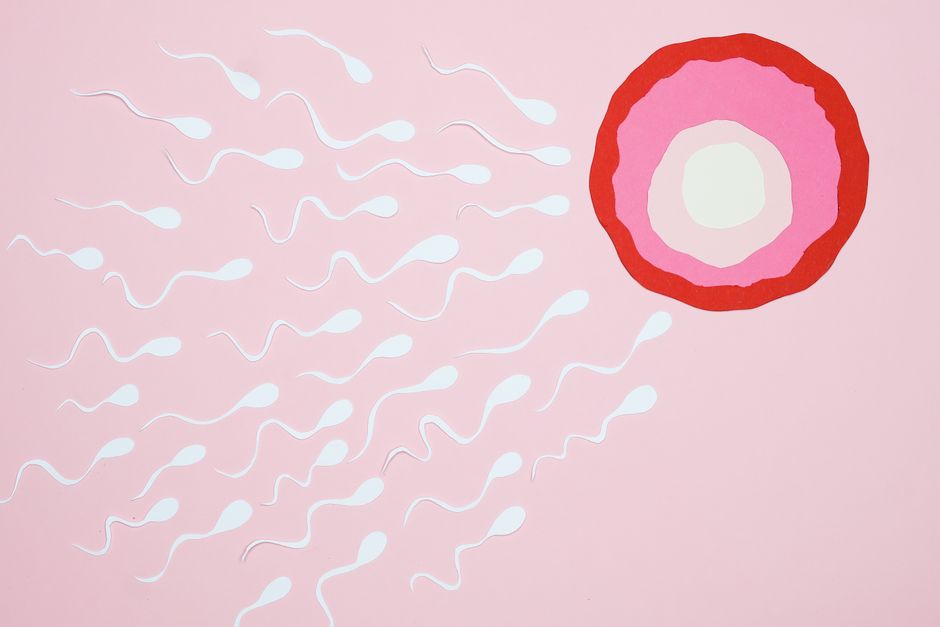
Most women are most fertile in the days leading up to and including ovulation, which typically happens about 14 days before your next period starts. For a woman with a regular 28-day cycle, that window usually falls around day 14. The fertile window is roughly six days long, ending on the day of ovulation itself. Sperm can survive inside the female reproductive tract for up to five days, which is why pregnancy is possible from intercourse that happens before ovulation, not just on the day of ovulation itself.
What Exactly Happens During Ovulation?
Ovulation is the release of a mature egg from one of your ovaries. The egg travels down the fallopian tube, where it can meet sperm. Once released, the egg lives for only about 12 to 24 hours. If sperm does not fertilize it within that window, the egg dissolves and the fertile window closes.
Your body follows a hormonal script each cycle. Estrogen rises in the first half, causing the uterine lining to thicken. A surge in luteinizing hormone (LH) triggers the egg’s release. Progesterone rises after ovulation to prepare the uterus for a possible pregnancy. When no pregnancy occurs, hormone levels drop and the uterine lining is shed as your period.
When Are Women Most Fertile During the Cycle?
The fertile window starts about five days before ovulation and ends the day after. Conception is most likely when intercourse happens in the two to three days immediately before ovulation. This is because sperm need time to reach the fallopian tube and undergo changes that allow them to fertilize the egg.
Having intercourse on the day of ovulation can also result in pregnancy, but timing matters. If intercourse happens more than 24 hours after the egg is released, the egg is no longer viable. The day of ovulation itself is a moving target, which is why tracking signs and symptoms matters more than relying on calendar math alone.
Key Physical Signs of Ovulation
Your body gives off signals when ovulation is approaching. Learning to read them improves your chances of timing intercourse accurately.
- Cervical mucus changes: As estrogen rises, mucus becomes clear, slippery, and stretchy, similar to raw egg whites. This consistency helps sperm swim and survive. This is often the most reliable physical sign.
- Basal body temperature shift: Your resting temperature dips slightly just before ovulation, then rises about 0.5 to 1 degree Fahrenheit after ovulation. The rise confirms ovulation has happened, but it does not predict it in advance.
- Mild pelvic pain: Some women feel a twinge or cramp on one side of the lower abdomen near ovulation. This is called mittelschmerz. It is harmless but not every woman experiences it.
- Breast tenderness: Hormone changes around ovulation can make breasts feel sore or heavy. This is more common after ovulation when progesterone rises.
- Increased sex drive: Some research suggests libido naturally rises around ovulation. This is a soft signal, not a reliable one.
No single sign is perfect. Combining two or three methods gives a clearer picture than relying on one.




How to Track Ovulation Accurately
Calendar prediction alone is unreliable. Cycle lengths vary, and ovulation can shift from month to month due to stress, illness, travel, or sleep changes. Tracking methods that measure actual hormone changes are more accurate than counting days.
Ovulation predictor kits detect the LH surge in urine. The surge happens 24 to 48 hours before ovulation. Testing once or twice daily around your expected fertile window helps catch it. These kits are widely available and reasonably accurate when used correctly.
Basal body temperature tracking requires taking your temperature at the same time every morning before getting out of bed. A sustained rise over three consecutive days confirms ovulation occurred. It does not help you predict ovulation in real time, so it works best when combined with cervical mucus checks or LH testing.
Fertility apps use algorithms based on your cycle history. They can estimate your fertile window, but they are only as good as the data you enter. If your cycles are irregular, app predictions become less reliable. Apps that incorporate temperature and LH results perform better than those that only track period dates.
How Fertility Changes With Age
Fertility peaks in the late teens and twenties. It begins to decline gradually around age 30, then more noticeably after age 35. By age 40, the chance of conceiving in any given cycle is significantly lower than it was at age 25.
This decline is tied to both egg quantity and egg quality. Women are born with all the eggs they will ever have. That supply decreases steadily over time. Older eggs also have higher rates of chromosomal abnormalities, which increases the risk of miscarriage and reduces the chance of a live birth.
Male fertility also declines with age, though more gradually. Sperm quality, including motility and DNA integrity, decreases over time. This matters for couples trying to conceive, especially when the male partner is over 40.
When to Seek Help From a Doctor
Most couples conceive within one year of regular, unprotected intercourse. If you are under 35 and have been trying for 12 months without success, it is reasonable to see a doctor. If you are over 35, the recommendation is to seek help after six months of trying. Women over 40 should consider consulting a doctor sooner, often before trying or within a few months of starting.
See a doctor earlier if you have irregular or absent periods, a history of pelvic inflammatory disease, endometriosis, or prior abdominal or pelvic surgery. Men with a history of testicular issues, prior hernia repair, or fertility problems in previous relationships should also seek evaluation early.
Fertility testing typically includes blood work to check hormone levels, an ultrasound to examine the ovaries and uterus, and a semen analysis for the male partner. These tests identify many common causes of infertility and guide next steps.
Common Myths About Fertility and Ovulation
Myth: You can only get pregnant on the exact day of ovulation. Sperm can live up to five days in the reproductive tract. Intercourse two to three days before ovulation carries a meaningful chance of pregnancy.
Myth: A regular 28-day cycle means you ovulate on day 14. Cycle length varies, and ovulation timing shifts even in regular cycles. The only reliable way to know is to track actual signs.
Myth: Stress causes infertility. Stress does not directly prevent ovulation in most women, though severe stress can disrupt cycles. The bigger issue is that stress can reduce intercourse frequency and libido, which indirectly lowers conception odds.
Myth: Fertility awareness methods are the same as contraception. Tracking ovulation for conception is different from using it for birth control. The consequences of a timing error are very different in each situation.
When Are Women Most Fertile Ovulation Key Signs Summary
The most fertile days are the five days before ovulation plus ovulation day itself. The two to three days immediately before ovulation carry the highest probability of conception. Key signs include egg-white cervical mucus, a sustained temperature rise after ovulation, and a positive LH surge on an ovulation test kit.
Tracking multiple signs together gives the most accurate picture. If you have been trying for a year or more without success, or six months if you are over 35, a fertility evaluation is a reasonable next step. Most couples who seek help find that a treatable cause is identified or that no cause is found at all.
Frequently Asked Questions
How many days before ovulation can you get pregnant?
You can get pregnant from intercourse that happens up to five days before ovulation because sperm can survive that long in the female reproductive tract. The highest chance comes from intercourse in the two to three days before ovulation.
What does ovulation discharge look like?
Ovulation discharge is clear, slippery, and stretchy, similar to raw egg whites. This consistency helps sperm swim and survive on their way to the egg.
Can you ovulate without noticing any symptoms?
Yes, many women ovulate without noticing any physical signs. That is why combining methods like LH testing and temperature tracking gives a more reliable picture than relying on symptoms alone.
How long does an egg stay fertile after ovulation?
An egg remains viable for about 12 to 24 hours after release. If sperm does not fertilize it within that time, the fertile window closes until the next cycle.
