
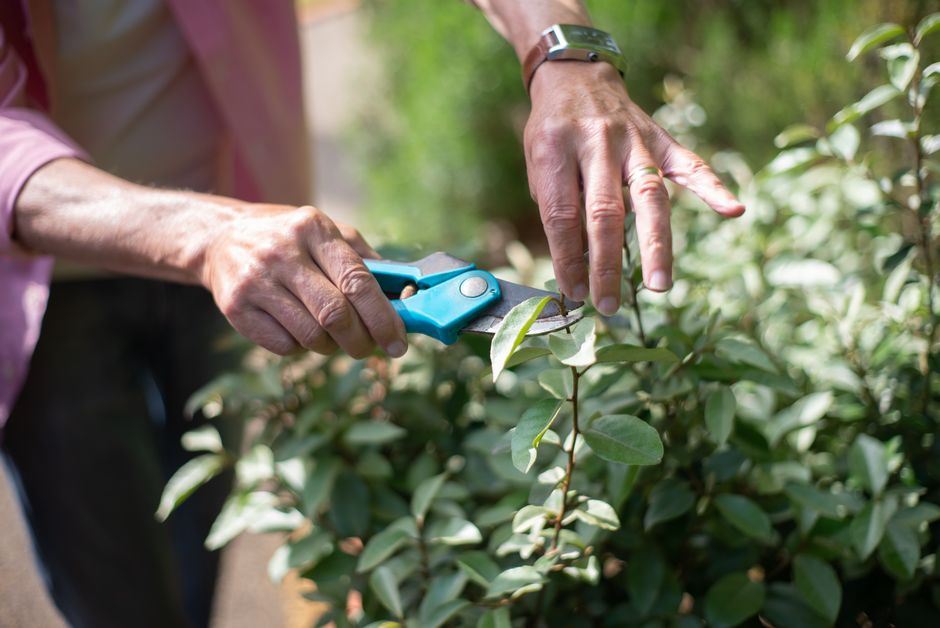
Coreopsis is one of the most forgiving perennials in the garden, and the timing of your cuts matters more than the technique. The short answer: deadhead spent flowers throughout the bloom season to keep buds coming, and cut the whole plant back by about one-third to one-half in midsummer (right after the first flush fades) to trigger a second round of blooms before fall. If you want fuller plants next year, divide them in early spring or early fall rather than pruning in late autumn.
That covers the basics. The details — how much to cut, which type of coreopsis you have, and what happens if you get the timing wrong — are where most gardeners either get a spectacular second bloom or a plant that sulks until next spring.
When And How To Prune Coreopsis For More Blooms?
Coreopsis falls into two broad groups, and they respond differently to pruning. Knowing which one you have changes everything about timing.
Threadleaf coreopsis (Coreopsis verticillata) has fine, needle-like foliage and spreads slowly by rhizomes. Lanceleaf coreopsis (Coreopsis lanceolata) has broader leaves and grows in clumps. Both are hardy in USDA zones 3 through 9, though exact hardiness varies by cultivar.
The bloom window for most garden coreopsis runs from late spring through midsummer, with some cultivars reblooming into early fall if they are cut back. The midsummer cutback is the single most effective technique for extending bloom. Cut the entire plant down to about one-third of its height — roughly 6 to 8 inches above the soil line — immediately after the first flush of flowers fades. This removes spent stems and signals the plant to push new growth and new buds.
Do not cut back in late summer or early fall. The plant needs time to harden off before frost. A late cut produces tender new growth that winter kills, and it can reduce next year’s bloom.
Deadheading — snipping or pinching off individual spent flowers — is different from a hard cutback. Do it every few days during peak bloom. Removing the fading flower head before it sets seed redirects the plant’s energy into more buds instead of seed production. This is the simplest way to keep flowers coming through the season.
Should You Deadhead Coreopsis Or Cut The Whole Plant Back?
Both, but at different times and for different reasons.
Deadheading is a maintenance task. It keeps the plant tidy and encourages continued blooming on the same stems. Use your fingers or pruners to snap off the flower head just above the first set of leaves below it. Do this while the plant is actively blooming.
A full cutback is a reset. It is what you do when the first bloom cycle is finished and the plant looks tired — leggy stems, mostly spent flowers, and a somewhat ragged appearance. Cutting the whole plant back by one-third to one-half forces fresh basal growth. Within a few weeks, new stems emerge from the crown and produce a second round of buds.
Some gardeners skip deadheading entirely and rely only on the midsummer cutback. That works, but you lose the continuous bloom that deadheading provides. The combination gives you the longest flowering season.
One clarification that trips people up: deadheading does not mean cutting the stem all the way to the ground. If you cut too low, you remove the growing points that would have produced the next flower. Snip just the flower head and the short stem directly beneath it.
What Happens If You Prune Coreopsis At The Wrong Time?
Pruning at the wrong time usually does not kill the plant, but it can cost you a season of blooms.
Cut back in late summer or fall, and the plant may not have enough time to regrow and harden before cold weather. The result is winter dieback or a weak plant the following spring. In colder zones, this risk is higher.
Cut back too early in spring — before the plant has broken dormancy — and you may remove healthy crown tissue that was about to produce this year’s stems. Wait until you see new growth emerging from the base before doing any spring cleanup.
Skip the midsummer cutback entirely, and many coreopsis cultivars will bloom once and then stop. They set seed, the foliage stays green but the flowers are done, and you are left waiting until next year. The midsummer cut is what separates a one-flush plant from a repeat bloomer.
There is one more scenario worth mentioning. If your coreopsis is a short-lived perennial or a cultivar that naturally blooms only once, no amount of pruning will produce a second flush. Some newer cultivars have been bred for extended bloom without cutback, but this varies. If your plant does not rebloom after a proper midsummer cut, the cultivar itself may be the reason.
How Do You Prune Coreopsis In Spring Versus Fall?
Spring and fall pruning serve different purposes, and the rules are not interchangeable.
Spring: Wait until new growth appears at the base of the plant. Then remove any dead or damaged stems from winter. This is also the time to cut back any stems that were left standing over winter for seed heads or winter interest. Do not cut into the new basal growth. If the plant looks crowded, early spring is a good time to divide it.
Fall: Do not prune. Leave the stems standing. They provide winter interest and, in some regions, seed for birds. The plant stores energy in its roots and crown through fall. Cutting it back removes the stems the plant is still using to photosynthesize and store reserves for winter. Clean up dead foliage in early spring instead.
If you garden in a warm climate where coreopsis stays semi-evergreen, you can tidy the plant lightly in late winter, but still avoid a hard cutback until new growth begins.
Does Cutting Back Coreopsis Really Produce More Flowers?
Yes, for cultivars that have the genetic capacity to rebloom. The mechanism is straightforward. When you remove the spent flower stems, the plant redirects resources from seed production into new vegetative growth and flower bud formation. This is a well-documented response in many herbaceous perennials, not just coreopsis.
What the cutback does not do is change the plant’s fundamental bloom cycle. A cultivar that blooms once in late spring will not suddenly bloom again in August just because you cut it. The cutback works on cultivars that have a natural tendency to rebloom when given the chance.
Deadheading works on a shorter timeline. Each flower head that is removed before it sets seed can lead to additional buds on the same plant within days to a couple of weeks, depending on weather and growing conditions.
The evidence for these practices comes from horticultural extension guidance and decades of perennial gardening practice, not from controlled clinical trials. That is normal for gardening advice. The observation is consistent across growers and regions: coreopsis that is deadheaded and cut back in midsummer produces more flowers over the season than coreopsis that is left alone.
What Tools And Techniques Give The Best Results?
You do not need special tools. Clean, sharp bypass pruners or garden scissors are enough. Make sure they are sharp — dull blades crush stems and leave ragged cuts that can invite disease.
- Deadhead every few days during peak bloom. Pinch or snip just below the flower head.
- Cut the whole plant back by one-third to one-half in midsummer, right after the first flush fades.
- Cut to about 6 to 8 inches above the soil line. Do not cut into the crown.
- Water after a hard cutback if conditions are dry. New growth needs moisture.
- Do not fertilize heavily after cutback. Too much nitrogen produces leafy growth at the expense of flowers.
- Divide crowded plants in early spring or early fall, not in the heat of summer.
One non-obvious point: coreopsis is more sensitive to poorly timed pruning than many perennials because it blooms on new growth. That means the timing of your cut directly determines whether you get flowers or just foliage. Get the timing right, and the plant does the rest.
If your coreopsis is in a container, the same rules apply, but watch moisture more closely. Containers dry out faster, and a plant stressed by drought after a cutback may not rebloom well.
Frequently Asked Questions
How far back should you cut coreopsis for a second bloom?
Cut the plant back by one-third to one-half its height, leaving about 6 to 8 inches of stem above the soil. This is done right after the first flush of flowers fades in midsummer.
Should you deadhead coreopsis every day?
Every few days is enough during peak bloom. Removing spent flowers before they set seed encourages more buds on the same plant.
Can you prune coreopsis in the fall?
No. Fall pruning removes stems the plant uses to store energy for winter and can leave it vulnerable to cold damage. Wait until early spring, after new growth appears at the base.
Does coreopsis bloom more than once a season?
Many cultivars will bloom a second time if cut back after the first flush. Some cultivars bloom only once, and no amount of pruning will change that.
