
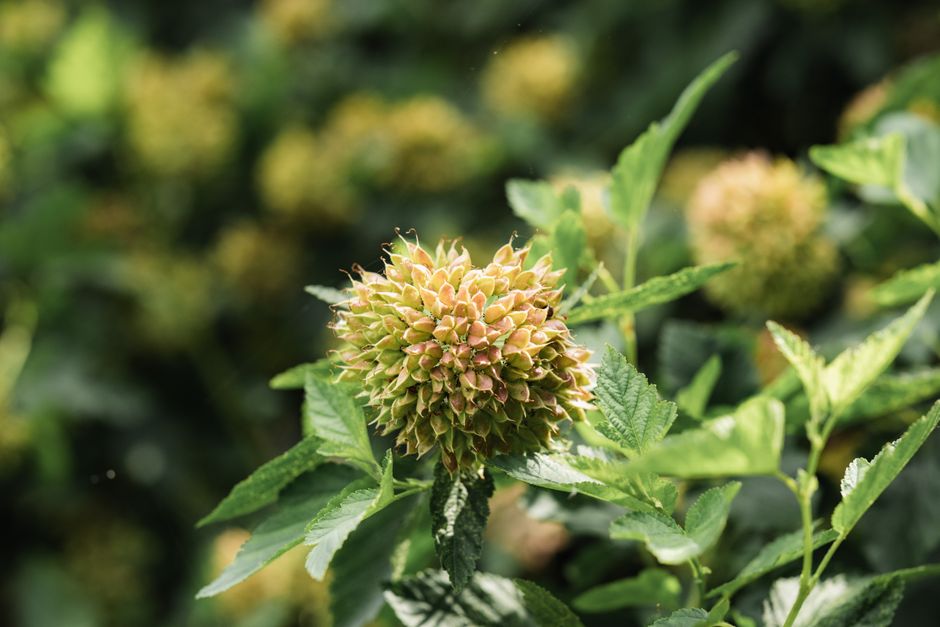
Prune your ninebark shrub in late winter or early spring while it is still dormant. This timing gives you the best results because you can see the plant’s structure clearly and the cuts heal quickly once growth starts. For most ninebark varieties, cut back up to one-third of the oldest stems at ground level and shape the remaining branches to maintain a natural look.
When Is the Best Time to Prune a Ninebark Shrub?
Late winter to early spring is the ideal window for pruning ninebark. This period falls between February and early April for most of the United States, depending on your local climate. The shrub should still be leafless and dormant when you make your cuts.
Pruning during dormancy minimizes stress on the plant. The wounds close quickly once sap begins flowing in spring. The shrub also puts energy into new growth rather than healing damaged tissue.
Some gardeners prune after flowering in late spring or early summer. This works if you only need light shaping. But heavy pruning at this time removes flower buds and reduces the next season’s bloom. The American Horticultural Society notes that spring-blooming shrubs like ninebark set their flower buds the previous year. Cutting them after bloom means you sacrifice next year’s flowers.
What Tools Do You Need for Pruning Ninebark?
You need sharp bypass pruners for branches up to half an inch thick. For thicker stems up to one and a half inches, use loppers. A pruning saw handles the oldest, thickest canes at the base. Keep all blades clean and sharp to make smooth cuts that heal fast.
Disinfect your tools between plants, especially if you prune multiple shrubs. A simple solution of one part bleach to nine parts water works well. Rubbing alcohol is another option. This prevents spreading diseases like fire blight, which can affect ninebark.
Wear sturdy gardening gloves. Ninebark stems have rough bark that can irritate skin. Safety glasses also help when cutting overhead branches.
How Do You Prune Ninebark for Shape and Size?
Start by removing dead, damaged, or diseased branches. Cut these back to healthy wood or all the way to the ground. This cleanup step improves air circulation and reduces disease risk.
Next, thin out congested growth. Identify crossing branches or stems that rub against each other. Remove the weaker of the two. Aim for an open, vase-like shape with branches spaced evenly around the center. Good air flow in the middle of the shrub prevents fungal issues.
For size control, cut back long or unruly branches to a lateral bud or branch junction. Make your cut at a 45-degree angle about a quarter inch above the bud. Angle the cut so water runs off, not into the bud. Do not cut more than one-third of the total branches in a single year. The University of Minnesota Extension warns that removing too much at once stresses the shrub and leads to weak, leggy regrowth.




When Should You Do Rejuvenation Pruning on Ninebark?
Rejuvenation pruning is for old, overgrown, or neglected ninebark shrubs. This method involves cutting the entire plant down to 6 to 10 inches above the ground in late winter. It sounds drastic, but ninebark tolerates it well.
Research from the Chicago Botanic Garden shows that ninebark responds vigorously to hard pruning. The shrub regrows into a full, healthy plant within one to two growing seasons. New stems emerge from the crown and grow quickly.
Use rejuvenation pruning every three to five years if your ninebark looks woody and sparse. Do not do it annually. The shrub needs recovery time between hard cuts. If you prefer a gentler approach, remove one-third of the oldest stems each year for three years. This gradual method achieves the same result without shocking the plant.
Young ninebark shrubs rarely need rejuvenation pruning. Only use this technique on plants that are at least three to four years old and showing signs of decline.
How Does Pruning Affect Ninebark Flowers and Foliage?
Ninebark blooms on old wood, meaning flower buds form on stems from the previous growing season. Pruning in late winter removes some of these buds. You trade some flowers for better plant structure and health.
If flowers are your priority, prune immediately after blooming ends in late spring. This preserves most flower buds for the following year. But you lose the chance to shape the shrub significantly because new growth will cover your cuts quickly.
Foliage color on varieties like ‘Diabolo’ or ‘Summer Wine’ remains vibrant regardless of pruning timing. The dark purple leaves develop on new growth throughout the season. Even hard pruning in late winter produces colorful foliage by midsummer.
Some gardeners report that ninebark flowers less after heavy shade from nearby trees increases. This is not a pruning issue but a light issue. The shrub needs at least four to six hours of direct sun daily for good bloom production.
Common Misconceptions About Pruning Ninebark
One common myth is that ninebark cannot handle hard pruning. This is false. Ninebark is a tough native shrub that thrives with aggressive cutting when needed. The USDA Natural Resources Conservation Service lists ninebark as a resilient species that regenerates well after disturbance.
Another misconception is that pruning in fall is safe. Fall pruning stimulates new growth that cannot harden off before winter. This tender growth often dies back and can introduce disease. Stick to late winter or early spring.
Some people believe you must seal pruning cuts with paint or tar. Do not do this. Modern arboriculture research shows that wound sealants trap moisture and decay inside the cut. Let the cut air-dry naturally.
Finally, pruning every year is not necessary. Ninebark grows at a moderate pace and many shrubs only need pruning every two to three years. Over-pruning weakens the plant and reduces its natural beauty.
Comparison: Renewal vs. Rejuvenation Pruning for Ninebark
| Method | What You Cut | Best For | Recovery Time |
|---|---|---|---|
| Renewal pruning | Remove one-third of oldest stems at ground level each year | Maintaining size and shape over several years | Full recovery in one season |
| Rejuvenation pruning | Cut all stems to 6-10 inches above ground in one season | Severely overgrown or declining shrubs | One to two full growing seasons |
Choose renewal pruning for routine maintenance. Use rejuvenation pruning only when the shrub has become too large or woody to manage with lighter cuts.
What to Avoid When Pruning Ninebark
Do not prune during hot, dry summer weather. The shrub is already stressed from heat and potential drought. Cuts made now heal slowly and invite pests. Wait for cooler conditions in late winter.
Avoid shearing ninebark into formal shapes like balls or boxes. Ninebark has a naturally arching, fountain-like form. Shearing destroys this shape and creates a dense outer shell with a bare interior. The plant also produces fewer flowers when sheared uniformly.
Do not leave stubs when cutting branches. A stub is a piece of branch left sticking out beyond a bud or junction. Stubs die back and become entry points for decay. Always cut back to a bud, a branch junction, or the ground.
Never prune ninebark when temperatures are below freezing. Frozen branches are brittle and crack unpredictably. The cuts also do not seal properly until temperatures rise above freezing consistently.
Frequently Asked Questions
Can I prune ninebark in summer?
Light pruning in early summer after flowering is acceptable. Heavy summer pruning stresses the shrub and removes next year’s flower buds.
How much can I cut off a ninebark at once?
You can safely remove up to one-third of the total branches in a single pruning session. Removing more than that weakens the plant and leads to poor regrowth.
Will ninebark regrow if cut to the ground?
Yes, ninebark regrows reliably from the crown after being cut to 6 to 10 inches above ground. Full recovery takes one to two growing seasons.
Does pruning ninebark affect its fall color?
No, pruning timing does not significantly impact fall color. Ninebark leaves turn yellow or bronze in autumn regardless of when you prune.
