
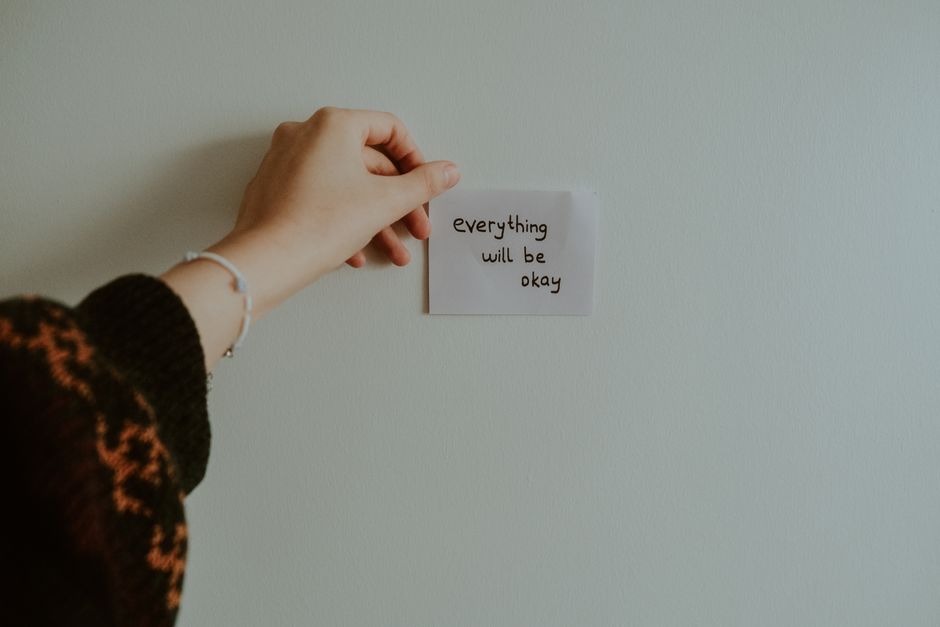
Calm. That is the short answer. But calm is not simply the absence of anxiety — it is a distinct state in which your nervous system is not on alert, your thoughts are not racing, and your body is not bracing for something bad to happen. Understanding what calm actually is, how it differs from anxiety, and why the two are not exact mirror images explains a lot about how anxiety works and how it is treated.
What Is the Opposite of Anxiety?
The opposite of anxiety is a state of calm or emotional equilibrium. In this state, your body is not in a stress response, your thoughts are not dominated by worry, and you feel reasonably safe in the present moment.
It helps to be precise about what calm is not. Calm is not happiness. It is not excitement. It is not the absence of all negative emotion. Someone can feel sad, bored, or frustrated and still be calm. Calm refers specifically to the absence of the threat-detection and arousal that define anxiety.
Psychologists sometimes describe the opposite of anxiety as relaxation at the physical level and security at the psychological level. Those two pieces usually move together. When your body stops bracing, your mind often follows — and the reverse is also true.
One clarification that matters: the opposite of anxiety is not courage. Courage involves feeling fear and acting anyway. Anxiety’s opposite is the state in which fear is not driving the bus at all.
Anxiety vs. Calm: What’s Happening in the Body?
Anxiety is a whole-body event, not just a mental one. Understanding the physiology makes the contrast clear.
When your brain perceives a threat — real or imagined — it activates the sympathetic nervous system. This is the branch of your nervous system that prepares you for action. Your heart rate goes up. Breathing gets faster and shallower. Muscles tense. Digestion slows. Stress hormones like adrenaline and cortisol rise. Blood flow shifts toward your limbs and away from your gut.
That system is not a malfunction. It is designed to keep you alive. The problem is when it fires too often, too intensely, or in situations that are not actually dangerous. That is what happens in anxiety disorders.
The calm state is governed by the other branch — the parasympathetic nervous system. Its main player is the vagus nerve, which acts as a brake on heart rate and helps restore digestion, rest, and repair. When this system is active, your heart rate settles, breathing deepens, and muscles release tension.
These two systems are not perfectly symmetrical. You cannot simply “turn off” the stress response the way you flip a light switch. Calm is a gradual shift, not an instant reversal. That is why techniques like slow breathing work, but they work over minutes, not seconds.
What Does Calm Actually Feel Like?
Calm is easier to recognize than to define. Most people describe it through physical sensations first.
- Breathing that feels easy and doesn’t require attention
- Muscles that are not holding tension in the jaw, shoulders, or stomach
- A heart rate that feels steady rather than noticeable
- Thoughts that come and go without spiraling
- A sense that the present moment is manageable
Notice that none of these require feeling joyful. Calm can coexist with a difficult day, a stressful job, or a hard conversation. What changes is the internal response, not the external circumstances.
Some people find that they do not recognize calm until they have been anxious for a long stretch. When the anxiety lifts, the relief itself feels strange at first — almost like something is missing. That is normal. Your nervous system is recalibrating.




Is the Opposite of Anxiety Always Calm?
Not exactly. Anxiety exists on a spectrum, and so does its opposite. At the low end of anxiety, you might feel mildly alert or slightly on edge. At the high end, you might experience panic — a sudden surge of intense fear with strong physical symptoms.
The opposite end of that spectrum is not a single fixed state. It ranges from relaxed to deeply at ease. Someone in a flow state, absorbed in work or a hobby, may not feel “calm” in the traditional sense, but they are not anxious either. Their attention is fully occupied and the threat-detection system is quiet.
Sleep offers another example. During deep sleep, anxiety is essentially absent. But no one would call sleep the opposite of anxiety in a psychological sense. It is a different state altogether.
So the honest answer is that calm is the closest and most useful opposite — but anxiety’s true opposite is better described as a regulated state, where your body and mind are responding to the present moment rather than preparing for a threat that is not there.
Can You Train Your Brain to Be Less Anxious?
Yes, to a meaningful degree. The brain is not fixed. This property is called neuroplasticity — the ability of the nervous system to reorganize itself through experience.
When you repeatedly practice calming skills, you strengthen the neural pathways that support them. The prefrontal cortex, which helps regulate emotional responses, becomes more effective at calming the amygdala — the brain’s threat-detection center. This does not happen overnight, but it does happen.
What the evidence supports:
- Slow breathing — breathing at roughly six breaths per minute activates the parasympathetic nervous system. This is one of the better-supported techniques.
- Regular physical activity — aerobic exercise has been studied extensively for anxiety reduction, with generally favorable results.
- Cognitive behavioral therapy (CBT) — one of the most well-researched treatments for anxiety disorders. It works by changing how you interpret and respond to anxious thoughts.
- Mindfulness and meditation — evidence is growing and generally positive, though study quality varies.
- Sleep — poor sleep amplifies anxiety. Improving sleep often reduces it.
What the evidence does not support as strongly: many supplements marketed for calm. Some, like certain forms of magnesium or L-theanine, have preliminary research, but no large human trials have confirmed they work reliably for anxiety disorders. Treat marketing claims with caution.
When Anxiety Needs Professional Support
Occasional anxiety is a normal part of life. Anxiety disorders are different. They involve persistent, excessive worry or fear that interferes with daily functioning and does not go away on its own.
Roughly 19% of US adults experience an anxiety disorder in any given year, according to the National Institute of Mental Health. These conditions are common, treatable, and not a sign of weakness.
Signs that professional support may be appropriate:
- Worry that feels uncontrollable or lasts most days for six months or longer
- Avoiding situations because of anxiety
- Panic attacks — sudden episodes of intense fear with physical symptoms
- Anxiety that interferes with work, relationships, or sleep
- Physical symptoms with no clear medical cause
Effective treatments exist. CBT and certain medications, including SSRIs, are well-established first-line options. Many people benefit from a combination. A primary care doctor or licensed mental health professional can help you find the right path.
If you are in crisis or having thoughts of harming yourself, contact the 988 Suicide and Crisis Lifeline by calling or texting 988.
What Helps You Move Toward Calm?
Calm is not something you achieve once and keep. It is a state you return to, often many times a day. The goal is not to eliminate anxiety — that is neither realistic nor desirable, since some anxiety helps you prepare and stay safe. The goal is to keep it proportional and manageable.
Small, consistent practices tend to work better than dramatic interventions. A few minutes of slow breathing. A walk. A consistent bedtime. Talking to someone you trust. These are not cures, but they shift the nervous system in the right direction over time.
If anxiety is persistent or disruptive, the most effective step is usually professional support. Therapy and, when appropriate, medication have the strongest evidence behind them. Self-help strategies can complement treatment, but they are not a substitute when anxiety is severe.
Frequently Asked Questions
What is the opposite of anxiety?
The opposite of anxiety is a state of calm or emotional equilibrium, where your body is not in a stress response and your mind is not dominated by worry. It is best understood as a regulated state rather than a single emotion.
Is calm the same as happiness?
No. Calm and happiness are different states. You can feel calm while also feeling sad, bored, or frustrated — calm refers to the absence of threat-detection and arousal, not the presence of positive emotion.
Can anxiety go away without treatment?
Mild, situational anxiety often resolves on its own as circumstances change. Anxiety disorders, however, tend to persist without treatment and usually respond best to therapy, medication, or both.
How do I know if my anxiety needs professional help?
If worry feels uncontrollable, lasts most days for six months or longer, or interferes with work, relationships, or sleep, professional support is worth pursuing. A primary care doctor or licensed mental health professional can help assess what you need.
