
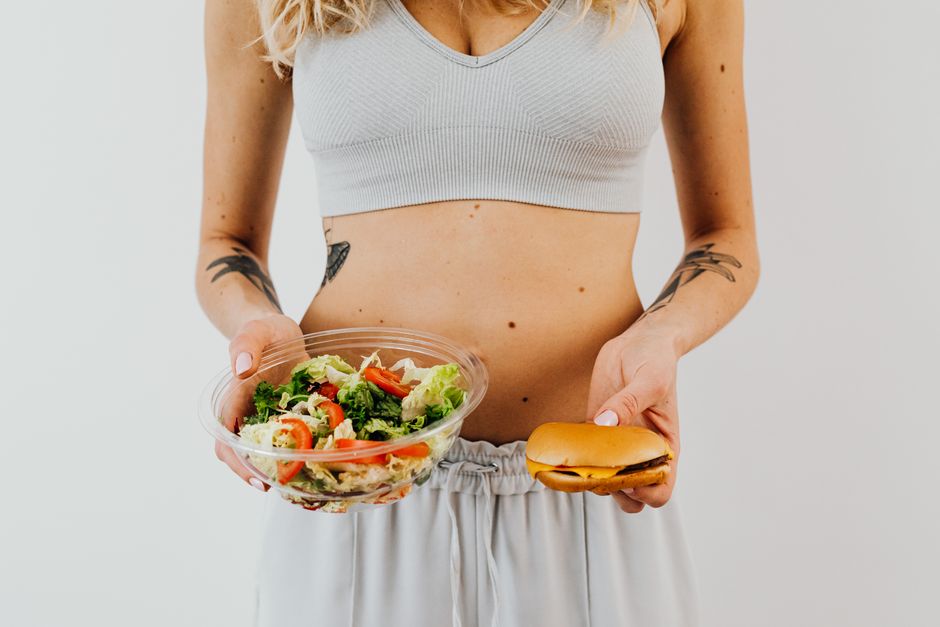
There is no single healthiest fast food item, but the strongest choices share a pattern: grilled or roasted protein, vegetables, whole-grain or simple starch, and minimal added sauces. A grilled chicken sandwich without mayo, a bean burrito bowl with extra vegetables, or a plain baked potato with a lean topping will generally beat fried options and sugary drinks on saturated fat, sodium, and added sugar. The healthiest fast food is the meal you build deliberately, not the one the combo menu builds for you.
Fast food gets judged as a category when it is really a set of hundreds of individual decisions. A fried chicken sandwich and a grilled chicken sandwich can come from the same menu and differ enormously in saturated fat and sodium. So the useful question is not “which chain is healthy” but “which combination of items, at this chain, right now.”
What Makes a Fast Food Meal Healthier?
Four factors do most of the work: cooking method, protein source, what comes on the side, and what you drink. Grilling, baking, and roasting add far less fat than deep frying. A breaded and fried fillet picks up oil in the coating; a grilled fillet does not.
Protein choice matters next. Skinless chicken, fish, beans, and lean beef are lower in saturated fat than fried patties, breaded nuggets, and processed meats like bacon and sausage. Processed meats are classified as carcinogenic to humans by the International Agency for Research on Cancer, a classification based on colorectal cancer risk from long-term consumption patterns. That is a population-level finding, not a statement about any single sandwich, but it is a reasonable reason to make bacon and sausage occasional rather than default.
Then look at the sides and the drink. This is where meals quietly gain hundreds of calories. A sugary soda, a milkshake, or a large fries can outweigh every good decision made about the main item. Water, unsweetened iced tea, or a diet drink if you want one keeps the drink from becoming the largest source of added sugar in the meal.
Sodium deserves its own mention. Fast food is a major contributor to the sodium most Americans eat, and the Dietary Guidelines for Americans recommend keeping sodium under 2,300 mg per day for most adults. A single fast food meal can approach or exceed that on its own. You cannot taste sodium reliably, so it is worth checking the nutrition information the chain publishes.
Whats The Healthiest Fast Food Order at Major Chains?
No chain is uniformly healthy, and no single order is universally best. But the same logic produces good options almost anywhere. Here is how the pattern plays out at the kinds of places most readers actually eat.
- Grilled chicken sandwich, no mayo, extra lettuce and tomato. Ask for the sauce on the side or leave it off. Mayo and creamy sauces are where much of the saturated fat and calories sit.
- Bean burrito bowl with chicken or beans, extra vegetables, salsa instead of queso or sour cream. Beans add fiber and protein. Salsa is close to calorie-free compared with cheese dips.
- Plain hamburger or single-patty burger without cheese or special sauce. A smaller, simpler burger usually beats a double or triple patty on saturated fat and calories.
- Grilled chicken or fish tacos with cabbage slaw and salsa. Corn tortillas are typically lower in fat than flour, though the difference is modest.
- Baked potato with a lean topping, or a side salad with grilled chicken and dressing on the side. Salad dressing can carry more calories than the salad itself if it is poured on.
One clarification worth knowing: “grilled” chicken at some chains is still marinated or finished with butter or oil, and “crispy” is a marketing word for fried. The cooking method on the menu is a guide, not a guarantee. The chain’s published nutrition data is the only reliable source for what is actually in the item.
Are Fast Food Salads Actually Healthy?
A salad with grilled chicken, vegetables, and a light dressing can be one of the better fast food choices. A salad topped with fried chicken, cheese, croutons, and a creamy dressing can carry more saturated fat and calories than a burger. The greens are rarely the problem. The toppings and dressing are.
Dressing is the single biggest lever. A packet of ranch or a creamy dressing can add a large share of the meal’s fat and calories. Choosing a vinaigrette, using half the packet, or dipping the fork in dressing before each bite are practical ways to cut that down without giving up flavor.
Fried chicken strips, bacon bits, and cheese are the other common culprits. A salad that lists grilled chicken, beans, or hard-boiled egg as the protein tends to be a better bet than one built around crispy chicken.
What About Burgers, Fries, and Pizza?
These foods are not off-limits, and framing them as forbidden tends to backfire. The realistic approach is portion and frequency. A single-patty burger without cheese or special sauce is a reasonable occasional choice. A double or triple burger with bacon, cheese, and sauce is a much heavier meal in saturated fat, sodium, and calories.
Fries are fried potatoes. They contain fat and sodium, and a large order can be a substantial share of a day’s calories. A small order, or splitting one, keeps them in proportion. Baked potato wedges or a side salad, where available, are lower-fat swaps.
Pizza is a mixed case. A thin-crust slice with vegetables and a modest amount of cheese is a different meal from a stuffed-crust meat-lovers slice. Ordering by the slice rather than the whole pie, and adding vegetables, both help. The evidence does not support calling pizza healthy or unhealthy in the abstract. It depends entirely on what is on it and how much you eat.
How Can You Build a Better Fast Food Meal?
Small adjustments at the counter add up more than most people expect. These are practical, not prescriptive. Use what fits your situation.
- Order the sandwich without the sauce. Mayo, special sauce, and creamy dressings are easy calories and saturated fat to leave behind.
- Choose water or unsweetened tea. Sugary drinks add calories without making you feel full.
- Pick one fried item, not three. If you want fries, skip the fried chicken and the onion rings.
- Add vegetables where you can. Lettuce, tomato, salsa, and extra veg add volume and fiber for few calories.
- Check the nutrition data. Most chains publish calories, saturated fat, and sodium for every item. It is the only honest source.
One non-obvious point: the combo meal is a pricing decision, not a nutrition decision. It bundles a large drink and fries because that is profitable, not because it makes a balanced meal. Ordering items individually usually gives you a better meal for roughly the same money.
Is Fast Food Ever a Good Choice?
Yes, sometimes. Fast food is convenient, affordable, and available when you are traveling, short on time, or feeding a family on a budget. Those are real needs, and a meal you actually eat is better than skipping food entirely because nothing is perfect.
The healthiest approach to fast food is not avoidance. It is frequency and composition. Eating fast food occasionally, with a reasonable mix of protein, vegetables, and starch, fits within most eating patterns. Eating it daily, with fried mains, large fries, and sugary drinks, is where the pattern becomes a concern.
If you have a condition that makes sodium, saturated fat, or carbohydrate intake matter — high blood pressure, high cholesterol, diabetes, kidney disease — the specifics are worth discussing with your clinician, because the right choices depend on your individual situation. General guidance cannot replace that conversation.
Frequently Asked Questions
What is the single healthiest fast food item?
There is no single healthiest item, because it depends on the chain and the rest of your meal. A grilled chicken sandwich without mayo, or a bean burrito bowl with extra vegetables and salsa, is consistently among the better choices.
Are fast food salads healthier than burgers?
Not automatically. A salad with grilled chicken and light dressing is usually a better choice, but one topped with fried chicken, cheese, croutons, and creamy dressing can exceed a simple burger in fat and calories.
Is it okay to eat fast food once a week?
For most healthy adults, occasional fast food fits within a balanced eating pattern. What matters more is the overall pattern and what you order, not a single meal.
How much sodium is in a typical fast food meal?
It varies widely by item and chain, and a single meal can approach or exceed the 2,300 mg daily limit recommended for most adults. Checking the chain’s published nutrition data is the only reliable way to know.
