
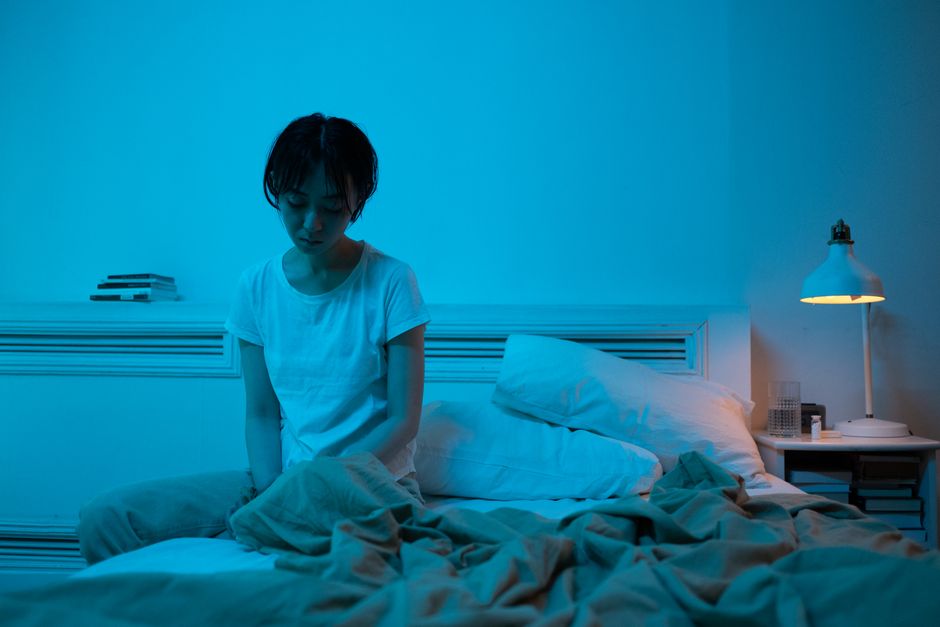
Falling asleep faster and staying asleep through the night comes down to matching your body’s natural rhythms. The best way to sleep is to keep a consistent schedule, wind down for 30 to 60 minutes before bed, and keep your bedroom cool, dark, and quiet. These habits work because they reinforce your internal clock, which controls when you feel sleepy and when you feel alert.
Why Your Body Needs a Consistent Sleep Schedule
Your body runs on a 24-hour cycle called the circadian rhythm. This internal clock responds to light and darkness, telling your brain when to release melatonin, the hormone that makes you drowsy.
Going to bed and waking up at the same time every day—including weekends—strengthens this rhythm. When your schedule shifts constantly, your brain gets confused signals. This is why sleeping in on Sunday often leads to a restless Sunday night and a groggy Monday morning.
Studies have found that people with regular sleep schedules fall asleep faster and report better sleep quality than those with irregular patterns. Even on nights when you sleep poorly, keeping your wake time consistent helps reset your clock for the next night.
What Is The Best Way To Sleep: Position Matters
Most adults sleep best on their side. Side sleeping keeps your airway open, which reduces snoring and helps prevent mild sleep apnea episodes. It also helps with acid reflux by keeping stomach acid where it belongs.
Back sleeping is the second-best option for many people. It allows your spine to rest in a neutral position, which can reduce neck and back pain. However, back sleeping worsens snoring and sleep apnea because gravity pulls the soft tissues in your throat backward.
Stomach sleeping is the least recommended position. It forces your neck to twist for hours, which can strain your cervical spine and lead to morning stiffness or headaches.
If you side sleep, place a pillow between your knees. This keeps your hips aligned and reduces pressure on your lower back. If you back sleep, a thin pillow under your knees can help maintain the natural curve of your spine.
How Light and Darkness Control Your Sleep
Light is the strongest signal your body uses to set its internal clock. Morning light tells your brain to wake up and stop producing melatonin. Evening darkness tells your brain to start producing it.
Bright light in the evening delays melatonin release. This includes overhead lights, phone screens, and televisions. The blue light from screens is particularly effective at suppressing melatonin, which makes falling asleep harder.
Dim your lights about an hour before bed. Use lamps instead of overhead lighting. If you must use your phone, lower the brightness and turn on night mode. Ideally, stop using screens entirely 30 minutes before bed.
Blackout curtains or a sleep mask can help if streetlights or early morning sun enter your room. Even small amounts of light can reduce melatonin production and lighten your sleep.




How Room Temperature Affects Sleep Quality
Your core body temperature naturally drops as you fall asleep. A cool room supports this process. Most sleep experts recommend keeping your bedroom between 60 and 67 degrees Fahrenheit.
A room that is too warm interferes with your body’s natural cooling process and can cause restless sleep and more nighttime awakenings. Your hands and feet lose heat fastest, so keeping them warm while your core stays cool can help you fall asleep faster.
Choose breathable bedding made from natural fibers like cotton or linen. These materials wick moisture and help regulate temperature throughout the night. Memory foam mattresses trap heat, so if you sleep hot, consider a mattress with cooling features or a breathable mattress topper.
What To Do When You Cannot Fall Asleep
If you are lying in bed and cannot fall asleep after about 20 minutes, get up. Go to another room and do something quiet in dim light. Read a book, fold laundry, or listen to calm music. Return to bed only when you feel sleepy.
Staying in bed while frustrated trains your brain to associate your bed with wakefulness. This can lead to conditioned insomnia, where the act of getting into bed makes you anxious about not sleeping.
Do not check the clock. Watching minutes pass increases anxiety and makes sleep harder. Turn your clock away from the bed or cover it entirely.
Keep the lights low during these wakeful periods. Bright light signals your brain that it is morning and makes it harder to return to sleep.
How Caffeine, Alcohol, and Food Affect Sleep
Caffeine blocks adenosine, a chemical that builds up in your brain and makes you feel sleepy. The effects of caffeine can last for hours. For most people, caffeine consumed after early afternoon can interfere with falling asleep and reduce deep sleep.
Alcohol is a common sleep aid, but it is a poor one. Alcohol helps you fall asleep faster, but it fragments sleep in the second half of the night. It also suppresses REM sleep, the stage where dreaming occurs and emotional processing happens. You may wake up feeling unrefreshed even after a full night in bed.
Large meals close to bedtime can cause discomfort and acid reflux. Finish eating at least two to three hours before bed. If you are hungry before bed, a small snack like a banana or a handful of almonds is unlikely to disturb sleep.
Warm milk and herbal teas like chamomile are traditional sleep aids. The evidence for their effectiveness is limited, but they are harmless and may help as part of a calming bedtime routine.
Can Exercise Improve Your Sleep?
Regular exercise improves sleep quality and helps you fall asleep faster. Aerobic exercise like walking, swimming, or cycling has the strongest evidence for improving sleep. Even moderate exercise a few times per week makes a difference.
Timing matters. Vigorous exercise within two hours of bedtime raises your core temperature and heart rate, which can delay sleep. Morning or afternoon exercise is ideal. If evening is your only option, choose gentle activities like yoga or stretching.
Exercise also helps with anxiety and depression, which are common causes of insomnia. The mood benefits of exercise contribute to better sleep even if you do not feel immediately tired after working out.
When To Talk To a Doctor About Sleep Problems
Occasional poor sleep is normal. But if you regularly struggle to fall asleep, wake frequently during the night, or feel exhausted despite spending enough time in bed, it is worth discussing with a doctor.
Loud snoring, gasping during sleep, or excessive daytime sleepiness may indicate sleep apnea, a condition where breathing repeatedly stops during sleep. Sleep apnea is treatable, but it requires a medical diagnosis and often a sleep study.
Chronic insomnia lasting more than three months may benefit from cognitive behavioral therapy for insomnia, or CBT-I. This is a structured program that addresses the thoughts and behaviors that interfere with sleep. Some research indicates CBT-I is as effective as sleep medications for many people, without the side effects.
Do not take over-the-counter sleep aids for more than a few nights without talking to a doctor. These medications can cause daytime drowsiness, dependence, and may not address the underlying cause of your sleep problems.
Frequently Asked Questions
What is the best sleeping position?
Side sleeping is generally best for most adults because it keeps the airway open and reduces snoring. Place a pillow between your knees to keep your spine aligned.
How many hours of sleep do adults need?
Most adults need seven to nine hours of sleep per night. The exact amount varies by person, but consistently sleeping less than seven hours is linked to health problems.
Does melatonin help you fall asleep faster?
Melatonin can help you fall asleep faster, especially if your sleep schedule is disrupted or you are adjusting to a new time zone. It is not a strong sleep aid for chronic insomnia and should be used at a low dose under guidance from a healthcare provider.
Why do I wake up at 3 a.m. every night?
Waking at the same time each night is often linked to stress, alcohol, or a disrupted circadian rhythm. If you cannot fall back asleep within about 20 minutes, get up and do something quiet until you feel sleepy again.
