
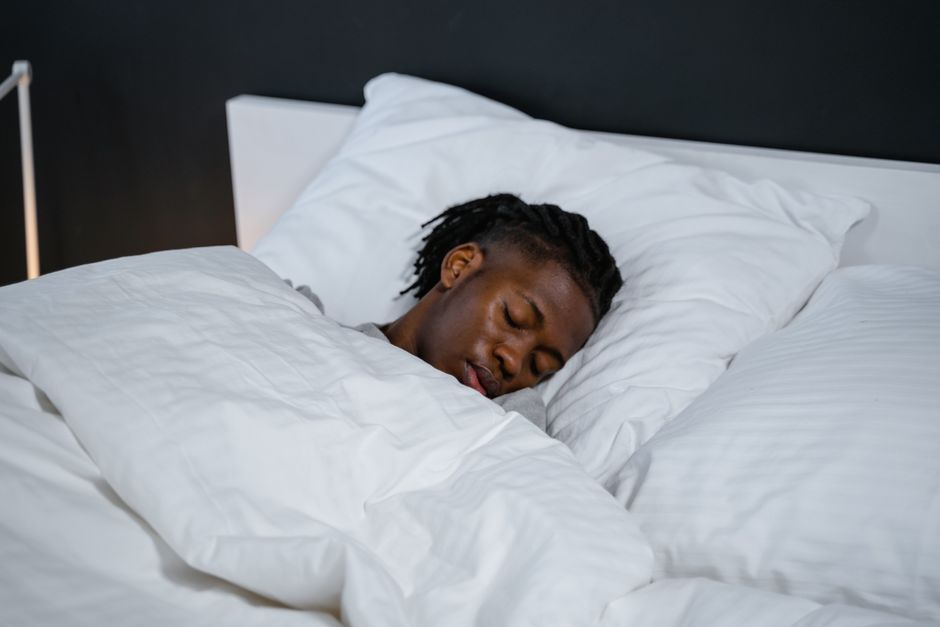
For most adults, sleeping on the side is the best position. It keeps your airway open, supports the natural curve of your spine, and is the position most often recommended for people with acid reflux or pregnancy. Back sleeping is a close second for many people. Stomach sleeping is the one position most sleep specialists suggest avoiding, mainly because it forces your neck into a twist and flattens the spine’s natural curve.
There is no single position that is perfect for everyone. Your age, health conditions, and whether you snore or have back pain all shift the answer. What follows is a plain look at what the evidence supports, what it does not, and how to choose well for your own body.
What’S The Best Position To Sleep In?
Side sleeping wins for most people because of how it affects breathing and digestion. When you lie on your side, gravity helps keep your upper airway from collapsing, which is why side sleeping is often suggested for people who snore or have mild sleep apnea. It also keeps your stomach below your esophagus, which can reduce reflux at night.
Left side versus right side matters for some people. Lying on your left side tends to reduce acid reflux symptoms more than lying on the right. Some studies suggest this, and it fits with the anatomy: your stomach sits to the left, so lying on your left keeps its contents lower than the esophagus. The effect is real but modest for most people.
Back sleeping is a solid choice if you do not snore, do not have reflux, and do not have sleep apnea. It keeps your head, neck, and spine in a neutral line. The catch is that back sleeping makes snoring and mild apnea worse for many people, because gravity pulls the tongue and soft tissues back into the airway.
Why Is Stomach Sleeping Usually Discouraged?
Stomach sleeping forces your neck to turn to one side for hours. That twists the cervical spine and can strain the muscles and joints in your neck. It also tends to push your lower back into an arched position, which some people find uncomfortable by morning.
That does not mean stomach sleeping is dangerous for everyone. Plenty of people sleep on their stomachs and feel fine. The concern is mainly for people with existing neck or lower back pain. If you sleep on your stomach and wake up stiff, the position is a reasonable thing to change first.
If you cannot sleep any other way, a flatter pillow can reduce the neck twist. Some people also place a thin pillow under the hips to ease the lower back arch. These are practical adjustments, not proven fixes.
Which Position Is Best for Back Pain?
There is no single best position for back pain, because back pain has many causes. What helps one person may not help another. That said, two positions are commonly suggested by clinicians.
- On your back with a pillow under the knees. This flattens the lower back slightly and takes pressure off the spine.
- On your side with a pillow between the knees. This keeps your hips and pelvis aligned and stops your top leg from pulling your lower back into a twist.
These are widely recommended in clinical practice. Large trials comparing sleep positions for back pain are limited, so treat this as sensible guidance rather than proven treatment. A mattress that supports your spine and a pillow that keeps your neck neutral matter as much as the position itself.





Does Sleep Position Affect Acid Reflux?
Yes, and the effect can be noticeable. Lying flat lets stomach acid move more easily into the esophagus. Sleeping on your left side keeps the stomach below the esophagus and is often suggested for people with nighttime reflux.
Elevating the head of the bed is another common recommendation. Raising the whole head of the bed by a few inches works better than stacking pillows, which can bend your neck and put your body at an angle that still allows reflux. If reflux is frequent or severe, talk to a clinician. Position changes help, but they are not a substitute for medical care.
What About Sleep Apnea and Snoring?
Side sleeping is generally better than back sleeping for snoring and mild obstructive sleep apnea. On your back, gravity pulls the tongue and soft tissues toward the back of the throat, narrowing the airway. Many people snore more on their backs for this reason.
Position alone does not treat moderate or severe sleep apnea. If you have been diagnosed with sleep apnea, follow the treatment your clinician recommends, such as CPAP therapy. Positional therapy — staying off your back — is sometimes used for mild cases, but it should be discussed with a clinician rather than self-prescribed.
One practical note: some people try to stay off their back by sewing a tennis ball into the back of a shirt. This is a known trick, but it is uncomfortable and not a substitute for proper evaluation if your breathing is genuinely disrupted at night.
How Should Pregnant Women Sleep?
Side sleeping is recommended during pregnancy, especially in the later months. Sleeping on your left side is often suggested because it can help blood flow to the baby and reduce pressure on the large vein that runs along your right side.
Sleeping on your back for long stretches late in pregnancy is generally discouraged, as the weight of the uterus can press on that vein and reduce blood flow. If you wake up on your back, do not panic. Roll onto your side and go back to sleep. Brief periods on your back are common and generally not a cause for alarm, but aim to settle on your side.
Ask your obstetric provider for guidance specific to your pregnancy, especially if you have complications. General advice cannot account for your individual situation.
What About Pillows and Mattress Support?
Your sleep position only works well if your pillow and mattress support it. The right setup keeps your head, neck, and spine in a neutral line.
- Side sleepers: a pillow thick enough to fill the gap between your ear and shoulder, plus one between the knees.
- Back sleepers: a thinner pillow that supports the neck’s curve without pushing the head forward, and a pillow under the knees.
- Stomach sleepers: a very flat pillow, or none, to limit neck twist.
A pillow that is too thick or too thin can cause neck stiffness no matter which position you choose. Replace pillows that have lost their shape. Mattress firmness is a personal preference, but most people do best with a surface that supports the spine without sagging.
Can You Change Your Sleep Position?
You can, but it takes patience. Most people settle into a position without thinking and return to it during the night. Changing it means building a new habit over weeks, not days.
Start by adjusting your setup rather than fighting your body. A pillow between the knees can make side sleeping more comfortable. A body pillow can help you stay off your back. If you are trying to avoid back sleeping, a slightly raised head or a pillow tucked against your side can help.
Do not lose sleep over it. If a change makes it harder to rest, it is not worth forcing. Sleep quality matters more than perfect posture.
When Should You Talk to a Doctor?
Talk to a clinician if you wake with neck or back pain most mornings, if you snore heavily or gasp for air at night, or if you feel exhausted despite enough time in bed. These can point to sleep apnea, reflux, or another condition that position changes alone will not fix.
Also seek advice if you are pregnant and unsure how to sleep comfortably, or if you have a health condition that affects your breathing or digestion. A clinician can give guidance tailored to you.
Frequently Asked Questions
Is it bad to sleep on your stomach?
It is not dangerous for most people, but it can strain the neck and lower back. If you wake with stiffness, try side or back sleeping instead.
Is left side better than right side for sleeping?
Left side is often suggested for acid reflux because it keeps the stomach below the esophagus. For most other people, either side is fine.
What is the best sleeping position for back pain?
Back sleeping with a pillow under the knees, or side sleeping with a pillow between the knees, are commonly suggested. Evidence comparing positions is limited, so comfort and support matter most.
Can sleep position affect snoring?
Yes, snoring is often worse on your back because gravity narrows the airway. Side sleeping can reduce it, but heavy snoring or gasping should be checked by a clinician.
