
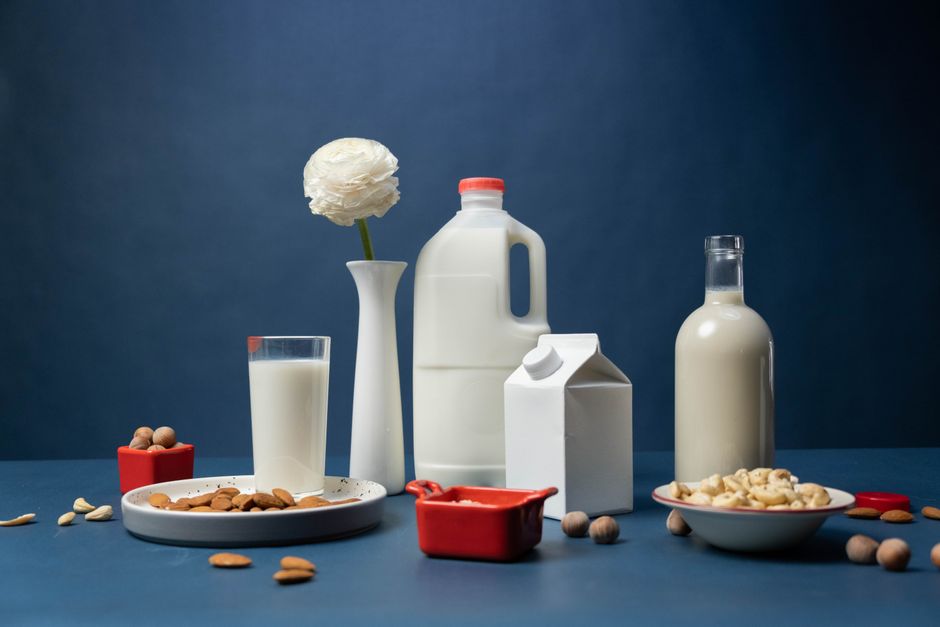
If you’ve stood in the dairy aisle staring at a wall of milk cartons, you’ve probably wondered what makes 2% milk different from the rest. 2% milk is cow’s milk with some of its natural fat removed, leaving about 2 grams of fat per cup. It sits between whole milk and skim milk on the dairy shelf, and it contains the same core nutrients as other fluid milks — protein, calcium, and added vitamin D — just with less fat and fewer calories.
That simple description hides a few details worth knowing. The “2%” label doesn’t mean the milk is 2% fat by weight. It means fat makes up about 2% of the milk’s weight. The rest is mostly water, plus protein, sugar, and minerals. Understanding what’s actually in the carton helps you decide whether it fits your diet.
Whats In 2 Milk?
A cup of 2% milk contains roughly 122 calories, about 8 grams of protein, and around 12 grams of carbohydrates, most of which is lactose — the natural sugar in milk. It also provides calcium, potassium, and a range of B vitamins.
The fat content is the headline difference. One cup of 2% milk has about 5 grams of fat, compared with about 8 grams in whole milk and close to none in skim. That fat reduction is the whole point of the product.
Here’s a detail many people miss. The “2%” refers to fat by weight, not by calories. Because fat carries more calories per gram than protein or carbs, the fat in 2% milk actually accounts for a larger share of its calories than 2%. The label is a description of composition, not a percentage of your daily fat intake.
Most 2% milk sold in the US is fortified with vitamin D and often vitamin A. When milk fat is removed, the fat-soluble vitamins that came with it are reduced, so producers add them back. This is why skim and low-fat milks are typically fortified.
How Is 2% Milk Made?
2% milk starts as whole milk and has cream skimmed off until the fat content reaches the target level. The process is mechanical, not chemical. Nothing is added to remove the fat.
After the fat is adjusted, the milk is pasteurized — heated to kill harmful bacteria — and homogenized, which breaks up fat molecules so they stay evenly mixed rather than rising to the top. Then vitamins are added and the milk is packaged.
One clarification worth making: 2% milk is not “watered down” whole milk. Water isn’t added to reduce the fat. The cream is simply removed. The remaining liquid is naturally lower in fat but keeps its protein, calcium, and lactose content essentially intact.
Is 2% Milk Healthy?
Whether 2% milk is a healthy choice depends on what you’re comparing it to and what your overall diet looks like. For most adults, it’s a nutritious drink that delivers high-quality protein and calcium with less saturated fat than whole milk.
The evidence on low-fat versus whole milk is more complicated than the old advice suggested. For decades, dietary guidelines recommended low-fat dairy for heart health. More recent research has questioned whether whole milk is actually worse for cardiovascular health than low-fat milk. The evidence is mixed, and no clear consensus has emerged that one type is definitively healthier for everyone.
What’s well established is that milk provides nutrients many people don’t get enough of, particularly calcium, potassium, and vitamin D. The saturated fat question is where the debate lives. 2% milk sits in the middle — lower in saturated fat than whole milk, but not fat-free.
For people watching calories or saturated fat for medical reasons, 2% or skim can be a reasonable fit. For others, the choice often comes down to taste and how the milk fits into the rest of the diet. No single type of milk is right for everyone.
How Does 2% Milk Compare to Other Milks?
The differences between milk types are mostly about fat and calories. Protein, calcium, and lactose stay fairly consistent across cow’s milk varieties. Here’s how they line up per one-cup serving, using standard US dairy data.
| Milk Type | Calories | Fat (grams) | Protein (grams) | Saturated Fat (grams) |
|---|---|---|---|---|
| Whole (3.25%) | ~149 | ~8 | ~8 | ~4.5 |
| 2% (reduced-fat) | ~122 | ~5 | ~8 | ~3 |
| 1% (low-fat) | ~102 | ~2.5 | ~8 | ~1.5 |
| Skim (fat-free) | ~83 | ~0 | ~8 | ~0 |
The protein stays the same across all four. The calories and fat drop as you move down the list. That’s the trade-off in a nutshell.
Plant-based milks are a different category. Almond, oat, and soy milks vary widely in protein. Soy milk comes closest to cow’s milk in protein content, while almond milk is much lower unless it’s fortified. If you’re replacing cow’s milk with a plant milk, check the label for protein and calcium, because they’re not interchangeable nutritionally.
Who Might Choose 2% Milk?
2% milk is a common middle ground for people who find skim milk too thin but want less fat than whole milk. It’s also a frequent choice for families with children over age two, since pediatric guidance has generally pointed toward reduced-fat milk after a child’s second birthday.
People managing heart health or watching saturated fat intake sometimes choose 2% or lower. Athletes and people with higher calorie needs may prefer whole milk for the extra energy and fat.
For anyone with lactose intolerance, the fat content doesn’t change the lactose. 2% milk has about the same lactose as whole milk. Lactose-free versions of 2% milk are available for people who have trouble digesting lactose.
One group that should follow medical guidance rather than general trends: infants under 12 months should not be given 2% milk or any cow’s milk as a primary drink. Breast milk or infant formula is the recommended source of nutrition in the first year, and this is well established in pediatric guidance.
Does 2% Milk Have Added Sugar?
No. Plain 2% milk contains no added sugar. The sugar in milk is lactose, which occurs naturally. It’s not the same as the added sugars in flavored milks or sweetened drinks.
This is a common point of confusion. The “sugars” number on a milk label reflects lactose, not sugar someone poured in. Flavored milks like chocolate 2% do contain added sugar, and those are a different product. If you’re comparing labels, plain 2% milk has only naturally occurring sugar.
Lactose does affect blood sugar, though more slowly than many sweetened drinks because fat and protein slow digestion. People with diabetes can typically include milk in their eating plan, but portion and overall carbohydrate intake still matter. A doctor or dietitian can give individualized guidance.
What About Hormones and Antibiotics in 2% Milk?
Milk from cows treated with added hormones is regulated, and labeled organic milk comes from cows not given those hormones. Whether to choose organic or conventional is a personal decision, and the evidence does not show a clear health difference between the two for most people.
On antibiotics, the regulatory picture is clearer. Milk sold in the US is tested for antibiotic residues, and milk with residues above allowed limits cannot be sold. This testing is a standard part of the dairy supply chain.
If you have specific concerns about hormones or production methods, the carton label and the USDA organic seal are the places to look. The science on long-term health effects of different dairy production methods is limited, so claims in either direction should be treated with caution.
Frequently Asked Questions
Is 2% milk the same as reduced-fat milk?
Yes. In the US, 2% milk is labeled as reduced-fat milk, and the two terms describe the same product. Both contain about 2% milk fat by weight.
How much fat is in a cup of 2% milk?
One cup of 2% milk contains about 5 grams of fat, including roughly 3 grams of saturated fat. That’s less than whole milk but more than 1% or skim.
Can I drink 2% milk if I’m lactose intolerant?
2% milk contains about the same lactose as whole milk, so it may still cause symptoms. Lactose-free 2% milk is available and provides the same nutrients without the lactose.
Is 2% milk good for weight loss?
2% milk has fewer calories than whole milk, which can help with overall calorie control, but no single food drives weight loss. Whether it helps depends on your total diet and activity level.
