
Hematocrit is the percentage of your blood volume made up of red blood cells. If your hematocrit is 42%, that means red cells take up 42% of your blood and the rest is mostly plasma. It is one of the numbers on a standard complete blood count (CBC), and it tells your doctor how much oxygen-carrying capacity your blood has.
Hematocrit and hemoglobin usually move together. Hemoglobin is the protein inside red cells that actually carries oxygen. Hematocrit measures the space those cells take up. Doctors read them as a pair because each one checks the other.
What’s Hematocrit in a Blood Test?
Hematocrit is a ratio, not a count. It compares the volume of red blood cells to the total volume of your blood sample.
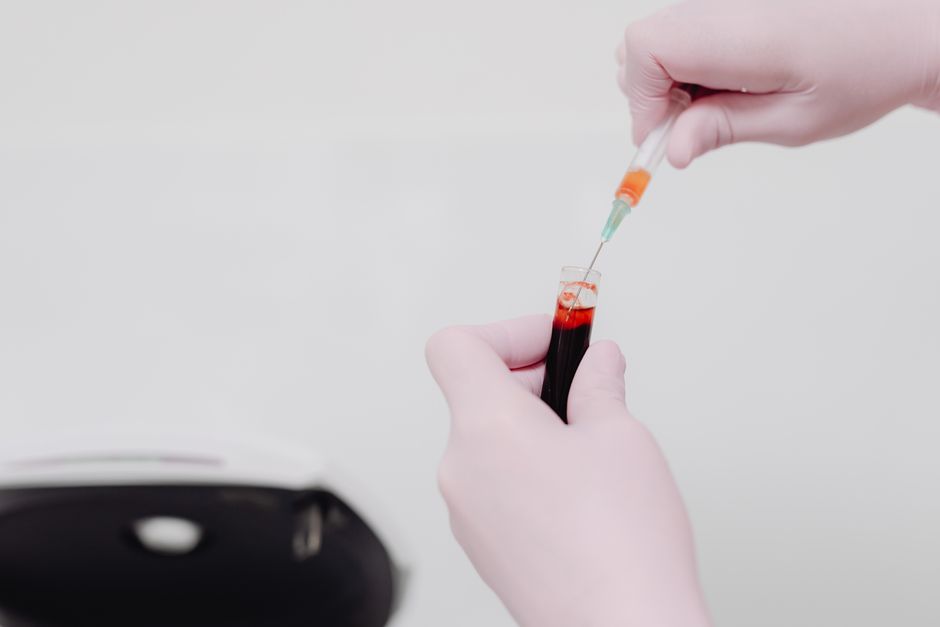
In practice, a lab spins a tube of blood in a centrifuge. The heavy red cells pack at the bottom. The clear plasma sits on top. The height of the red cell layer divided by the total height gives the percentage. Modern labs usually calculate hematocrit from the red cell count and the size of your red cells rather than spinning a tube, but the meaning is the same.
This is why hematocrit is reported as a percentage with no units. A result of 45% means 45 milliliters of red cells in every 100 milliliters of blood.
The test itself needs no preparation. It is part of a routine CBC, which doctors order for a wide range of reasons: a general checkup, fatigue, suspected anemia, monitoring a known condition, or checking on treatment.
What Is a Normal Hematocrit Range?
Normal hematocrit differs by sex. A commonly used reference range is about 41% to 50% for adult men and about 36% to 44% for adult women.
These ranges are typical, not universal. Each lab sets its own reference range based on the population it serves and the equipment it uses. Your report will list the range that applies to your result. That range is the one to read against, not a number from a website.
Hematocrit also shifts with age and with pregnancy. Newborns have higher hematocrit than adults. It falls during pregnancy because plasma volume expands faster than red cell mass, which is a normal physiological change and not anemia on its own.
People who live at high altitude often run higher hematocrit. Lower oxygen in the air prompts the body to make more red cells. This is a normal adaptation, though very high values at altitude can still warrant a doctor’s attention.
What Does Low Hematocrit Mean?
Low hematocrit means red cells make up a smaller share of your blood than expected. In most cases this reflects anemia, a shortage of red blood cells or of hemoglobin inside them.
Anemia has many causes, and hematocrit alone does not tell you which one. Doctors look at red cell size and other CBC values to narrow it down.
- Iron deficiency is among the most common causes worldwide. Low iron limits hemoglobin production, and red cells come out small and pale.
- Vitamin B12 or folate deficiency produces fewer but larger red cells.
- Blood loss from heavy periods, gastrointestinal bleeding, or surgery lowers red cell mass directly.
- Chronic kidney disease reduces erythropoietin, the hormone that signals the bone marrow to make red cells.
- Chronic inflammation or infection can suppress red cell production.
- Bone marrow disorders and some inherited conditions such as thalassemia affect how red cells are made.
Symptoms of low hematocrit depend on how low it goes and how fast it drops. Mild anemia often causes no symptoms at all. More significant anemia can bring fatigue, shortness of breath on exertion, pale skin, dizziness, or a racing heartbeat.
One clarification that matters: a low hematocrit is a finding, not a diagnosis. It points to a problem that needs a cause identified. Treatment depends entirely on that cause, which is why doctors rarely treat a number in isolation.
What Does High Hematocrit Mean?
High hematocrit means red cells take up more of your blood volume than expected. It can reflect a real increase in red cell mass, or it can reflect a drop in plasma volume that concentrates the cells you already have.
That distinction matters. Dehydration shrinks plasma volume and pushes hematocrit up without any change in red cell production. Rehydrating corrects it. This is a common and often overlooked reason for a high reading.
When red cell mass genuinely rises, causes include:
- Chronic low oxygen from lung disease, sleep apnea, or heart conditions that reduce oxygen delivery
- Smoking, which exposes blood to carbon monoxide and lowers oxygen carrying capacity, prompting more red cell production
- High altitude living
- Testosterone therapy, which can stimulate red cell production
- Polycythemia vera, a rare bone marrow disorder in which the body makes too many red cells
High hematocrit thickens the blood, which can raise the risk of clotting. Values well above the normal range deserve medical evaluation. How aggressively a high result needs to be pursued depends on how high it is and what is driving it, and that judgment belongs to a clinician.
Hematocrit vs. Hemoglobin: What’s the Difference?
Hemoglobin measures the amount of oxygen-carrying protein in your blood. Hematocrit measures the percentage of blood volume taken up by red cells. They usually rise and fall together.
When they disagree, it can be informative. A normal hematocrit with low hemoglobin can point to a problem inside the red cells themselves, such as iron deficiency before the cells shrink noticeably. A high hematocrit with normal hemoglobin can suggest dehydration.
Doctors use both values together, along with red cell count and red cell size, to build a fuller picture. No single number on a CBC tells the whole story.
What Affects Your Hematocrit Result?
Hematocrit is sensitive to hydration. A blood draw taken when you are dehydrated can read higher than your true baseline. A draw after intravenous fluids can read lower.
Pregnancy lowers hematocrit through plasma expansion. Altitude raises it. Smoking raises it. Some medications, including certain diuretics and testosterone products, shift the number.
Lab technique matters too. Results from different labs can differ slightly because of equipment and calibration. If you are tracking a value over time, comparing results from the same lab is more reliable than comparing across labs.
A single out-of-range result is not automatically meaningful. Doctors often repeat the test before drawing conclusions, especially when the value is only slightly outside the reference range and you have no symptoms.
When Should You Ask Your Doctor About Your Hematocrit?
Talk to your doctor if your hematocrit is outside the reference range on your report and you have symptoms such as fatigue, shortness of breath, unusual paleness, dizziness, or unexplained bruising or bleeding.
Also ask if the result is flagged and you have a condition that affects red cells, such as kidney disease, a bleeding disorder, or a history of anemia. A flagged value on a routine test is worth a conversation even without symptoms.
What you should not do is try to correct a hematocrit on your own with supplements. Iron supplements help only iron deficiency, and taking iron when you are not deficient can cause harm. The cause has to be identified first.
Frequently Asked Questions
What is a normal hematocrit level?
A typical reference range is about 41% to 50% for adult men and 36% to 44% for adult women. Each lab sets its own range, so read your result against the range printed on your report.
What happens if your hematocrit is low?
Low hematocrit usually means anemia, and the cause can range from iron deficiency to blood loss to kidney disease. Your doctor will use other CBC values and possibly further tests to find the reason.
Can dehydration affect hematocrit?
Yes. Dehydration reduces plasma volume and can push hematocrit above your normal baseline without any change in red cell production. Drinking fluids before a repeat test can correct the reading.
Is high hematocrit dangerous?
Very high hematocrit thickens the blood and can raise clotting risk, so values well above the normal range should be evaluated by a doctor. Mild elevations are often explained by dehydration, smoking, or altitude.
