
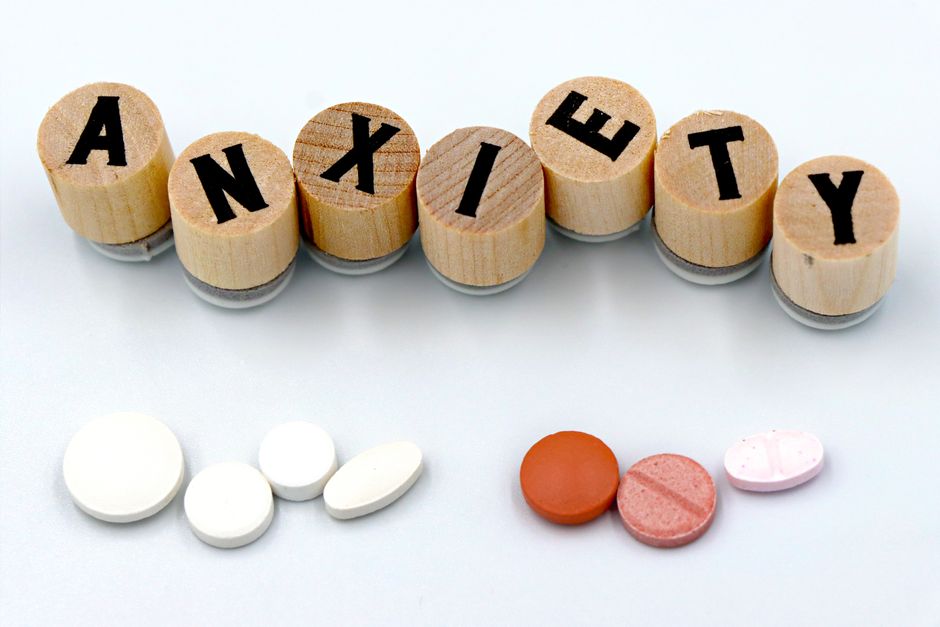
Your heart starts pounding. Your chest tightens. The room feels unreal, and a wave of fear hits you with no clear cause. That is what an anxiety attack can feel like — a sudden surge of intense fear that builds fast and usually peaks within minutes.
An anxiety attack is a period of overwhelming anxiety and physical arousal. It often comes with a racing heart, shortness of breath, dizziness, sweating, and a feeling that something terrible is about to happen. The symptoms are real, they are physical, and they are not dangerous in themselves — even when they feel terrifying.
Anxiety attacks are not a formal diagnosis in the main psychiatric manual used in the United States. They are a recognized experience, and they overlap heavily with panic attacks, which are defined in the diagnostic criteria. Understanding that overlap matters, because it shapes how these episodes are evaluated and treated.
What Does an Anxiety Attack Feel Like?
An anxiety attack feels like your body’s alarm system firing all at once. The symptoms come on quickly and can include:
- A pounding, racing, or fluttering heart
- Chest tightness or pressure
- Shortness of breath or a feeling of choking
- Dizziness, lightheadedness, or feeling faint
- Sweating, trembling, or shaking
- Nausea or stomach upset
- Numbness or tingling in the hands, feet, or face
- A sense of unreality — feeling detached from yourself or your surroundings
- Intense fear of losing control, going crazy, or dying
The physical sensations are driven by the autonomic nervous system, the part of the nervous system that controls automatic functions like heart rate and breathing. During an attack, the sympathetic branch — the “fight or flight” branch — surges into action. Adrenaline and related stress hormones flood the bloodstream. Heart rate climbs. Breathing speeds up. Blood flow shifts toward the muscles.
This response is designed to help you survive a threat. When there is no threat, the same response produces distressing and confusing symptoms. That mismatch between what your body is doing and what is actually happening is part of what makes an attack so unsettling.
Whats an Anxiety Attack vs a Panic Attack?
Anxiety attacks and panic attacks are closely related, and many people use the terms interchangeably. In clinical settings, they are not identical.
A panic attack is defined by a specific set of criteria. It is an abrupt surge of intense fear or discomfort that reaches a peak within minutes and includes at least four of thirteen recognized symptoms, such as palpitations, sweating, trembling, shortness of breath, chest pain, nausea, dizziness, chills or heat, and fear of dying or losing control.
Panic attacks can be expected, meaning they happen in response to a known trigger, or unexpected, meaning they seem to come out of nowhere. They can occur in the context of several conditions, including panic disorder, social anxiety disorder, and other anxiety disorders.
An anxiety attack is a looser term. It usually describes a strong wave of anxiety that builds in response to a stressor — a work presentation, a conflict, a medical appointment. It may be less abrupt than a panic attack and may not meet the full criteria for one.
In everyday use, the distinction often does not matter much. In diagnosis and treatment, it can.
What Causes an Anxiety Attack?
There is no single cause. Anxiety attacks arise from a mix of biology, psychology, and circumstance.
On the biology side, the amygdala — a small structure deep in the brain — plays a central role in detecting threats and triggering the fear response. In people who experience frequent anxiety attacks, this system can be overreactive. Genetics appear to contribute. Anxiety disorders tend to run in families, though the exact inheritance pattern is complex and not fully understood.
On the psychological side, patterns of thinking matter. People who are prone to catastrophic thinking — interpreting a racing heart as a sign of a heart attack, for example — can escalate a mild physical sensation into a full attack. This is sometimes called the fear-of-fear cycle. The physical symptom triggers fear, the fear worsens the symptom, and the cycle spirals.
Common triggers include:
- Ongoing stress at work, home, or in relationships
- Major life changes, including moving, job loss, or the end of a relationship
- Caffeine, which can mimic and amplify anxiety symptoms
- Some medications and recreational drugs
- Medical conditions such as an overactive thyroid, heart arrhythmias, or low blood sugar
- Withdrawal from alcohol, benzodiazepines, or other substances
Because medical conditions can produce symptoms that look like an anxiety attack, a first episode — especially with chest pain, fainting, or severe shortness of breath — warrants medical evaluation. This is not about assuming the worst. It is about ruling out causes that need different treatment.



How Are Anxiety Attacks Diagnosed?
There is no blood test or scan that diagnoses an anxiety attack. Diagnosis is based on a clinical interview, a review of symptoms, and a medical workup to rule out other causes.
A clinician will typically ask about the timing, frequency, and triggers of the episodes. They will ask what the symptoms feel like, how long they last, and whether they come with a sense of dread or a fear of dying. They will also ask about caffeine and substance use, current medications, and any history of trauma or other mental health conditions.
Physical causes that can mimic anxiety attacks include thyroid disorders, heart rhythm problems, low blood sugar, and certain tumors that release stress hormones. A clinician may order blood tests, an electrocardiogram, or other tests depending on the presentation.
If no medical cause is found and the symptoms meet criteria, a diagnosis of an anxiety disorder — such as panic disorder or generalized anxiety disorder — may be made. The specific diagnosis depends on the pattern and context of the attacks.
What Helps During an Anxiety Attack?
When an attack is happening, the goal is to ride it out safely. Attacks peak and then subside. They are uncomfortable, but they are not dangerous.
Some strategies that clinicians commonly suggest include:
- Slow your breathing. Try to make your exhale longer than your inhale. This can help calm the nervous system.
- Ground yourself. Name five things you can see, four you can touch, three you can hear, two you can smell, and one you can taste.
- Remind yourself what is happening. Saying “this is an anxiety attack, it will pass” can reduce the fear that fuels the cycle.
- Stay where you are if it is safe. Leaving every time can teach your brain that the situation was the danger.
These techniques are widely used and generally considered helpful, though the research on any single technique is not as strong as the research on broader treatment approaches. They are best seen as tools to get through an episode, not as a cure.
What Treatment Works for Anxiety Attacks?
The most studied treatments for panic and anxiety attacks are cognitive behavioral therapy and certain medications. Both have substantial evidence behind them.
Cognitive behavioral therapy focuses on the thoughts and behaviors that maintain the cycle of anxiety. It helps people reinterpret physical sensations, reduce avoidance, and build tolerance for the discomfort of anxiety. It is typically time-limited and skills-based.
Medications that are commonly prescribed include selective serotonin reuptake inhibitors, or SSRIs, and serotonin-norepinephrine reuptake inhibitors, or SNRIs. These are considered first-line for many anxiety disorders. Benzodiazepines can provide rapid relief but carry a risk of dependence and are generally used short-term or in specific situations.
Some clinicians also recommend lifestyle changes — regular sleep, reduced caffeine, regular physical activity, and stress management — as part of a broader plan. The evidence for these as stand-alone treatments is limited, but they support overall mental health and can reduce triggers.
No single approach works for everyone. Treatment often involves a combination of therapy, medication if appropriate, and lifestyle adjustments. A clinician can help match the approach to the person.
When Should You Seek Help?
Seek professional help if anxiety attacks are frequent, if they interfere with work or relationships, if you start avoiding situations because of them, or if you feel depressed or hopeless.
Seek immediate medical care if you have chest pain, fainting, severe shortness of breath, or symptoms that are new and intense. These can be signs of a medical emergency, and it is better to be evaluated than to assume it is anxiety.
Anxiety attacks are common. They are also treatable. Many people who experience them improve significantly with the right support. If you are struggling, reaching out to a doctor or mental health professional is a reasonable and often effective next step.
Frequently Asked Questions
Whats an anxiety attack feel like?
An anxiety attack typically feels like a sudden surge of intense fear with physical symptoms such as a racing heart, chest tightness, shortness of breath, dizziness, and a sense of unreality. The symptoms are real and can be frightening, even though they are not dangerous in themselves.
How long does an anxiety attack last?
An anxiety attack usually peaks within minutes and then subsides, though lingering feelings of unease can last longer. The exact duration varies from person to person and episode to episode.
Is an anxiety attack the same as a panic attack?
They are closely related but not identical. A panic attack is defined by specific diagnostic criteria, while an anxiety attack is a broader term for a strong wave of anxiety that may not meet those criteria.
Can an anxiety attack be dangerous?
The attack itself is not dangerous, but the symptoms can overlap with serious medical conditions. A first episode with chest pain, fainting, or severe shortness of breath should be evaluated by a medical professional.
