
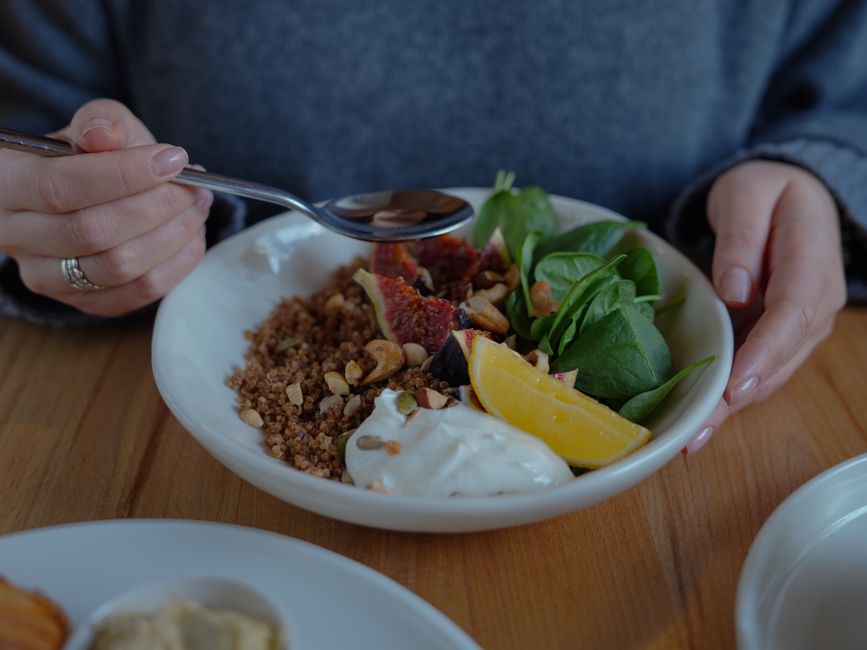
A good breakfast is one that combines fiber-rich carbohydrates, protein, and some fat — a mix that keeps blood sugar steady and hunger in check for hours. Oatmeal with nuts and fruit, eggs with whole-grain toast, or plain yogurt with berries all fit that pattern. The worst breakfasts are the ones built almost entirely on refined sugar and refined flour, because they spike blood sugar fast and leave you hungry again by mid-morning.
That is the short answer. The longer answer involves what happens in your body after you eat, why some “healthy” breakfasts fail people, and how to build a morning meal that actually works for your day.
What Makes a Breakfast Healthy?
Three components do most of the work: fiber, protein, and fat. Each slows digestion in a different way, and together they flatten the blood sugar curve that follows any meal.
Refined carbohydrates — white bread, sugary cereal, pastries, fruit juice — digest quickly. Glucose enters the bloodstream fast, insulin rises to meet it, and blood sugar then drops. That drop is often what drives mid-morning hunger and the urge to snack. Adding protein, fat, and fiber to the same meal slows gastric emptying and blunts that spike.
Fiber deserves particular attention. Most Americans eat well below the recommended daily amount, and breakfast is one of the easiest places to close the gap. Oats, whole grains, beans, fruit, and seeds all deliver fiber. Research consistently links higher fiber intake to better blood sugar control and lower cardiovascular risk, though the size of the effect varies across studies.
Protein at breakfast is less common than at dinner in the US, and that pattern may matter. Some studies suggest a protein-rich breakfast improves satiety and reduces later snacking compared with a carbohydrate-heavy one. The evidence is supportive but not airtight — results vary by study design and population.
Whats A Good Breakfast? Real Examples That Work
A good breakfast does not require special foods or a recipe. It requires a combination. Here are patterns that consistently deliver fiber, protein, and fat without much effort:
- Oatmeal made with milk or fortified plant milk, topped with nuts, seeds, and berries
- Eggs with whole-grain toast and a piece of fruit
- Plain Greek yogurt with fruit, nuts, and a spoon of oats or seeds
- Whole-grain toast with peanut butter or another nut butter and a banana
- Bean-based dishes such as black beans on a whole-grain tortilla with salsa and a little cheese
- Cottage cheese with fruit and a handful of nuts
Notice what these have in common: none is built on refined sugar, and each pairs a carbohydrate source with protein and fat. They also travel well — most can be assembled in under five minutes.
One clarification that surprises people: “whole grain” on a label does not guarantee much fiber. Check the nutrition facts. A bread with 1 gram of fiber per slice is not doing the same job as one with 3 or 4 grams.
Is Skipping Breakfast Bad for You?
The evidence is more mixed than the old advice suggests. For decades, “breakfast is the most important meal of the day” was treated as settled fact. It is not.
Observational studies have linked breakfast skipping to higher rates of obesity and metabolic problems. But observational data cannot separate cause from effect — people who skip breakfast may differ in many other ways from people who eat it. When randomized controlled trials have tested whether eating breakfast causes weight loss, the results have generally not supported that idea. Some trials found no meaningful difference in weight between breakfast eaters and skippers.
The honest position: for most adults, whether you eat breakfast is a personal choice, not a health mandate. What matters more is what you eat across the whole day. If you skip breakfast and feel fine, there is no strong evidence you are harming yourself. If you skip it and then overeat later or feel shaky and unfocused, eating something balanced earlier may help.
People who take certain diabetes medications, pregnant women, and children have different considerations and should follow guidance from their own clinician rather than general rules.
Why Do Sugary Breakfasts Leave You Hungry?
It comes down to how fast the food becomes glucose. A bowl of frosted cereal or a pastry delivers a large glucose load in minutes. Insulin rises sharply, glucose falls, and the body registers hunger again — often within two hours.
This is not a character flaw or a lack of willpower. It is normal physiology. The fix is not eating less; it is changing the composition of the meal so the glucose arrives more slowly.
Fruit juice is a common trap. It contains the sugar of several pieces of fruit without the fiber that slows absorption. Whole fruit behaves very differently in the body than juice from the same fruit. A glass of orange juice alongside an otherwise balanced breakfast is not a problem for most people, but juice as the centerpiece of breakfast is closer to a dessert than a meal.
Does Breakfast Affect Blood Sugar and Energy?
Yes, and the effect is measurable. The composition of breakfast influences glucose response for hours afterward — a phenomenon sometimes called the “second meal effect,” where what you eat at one meal affects how your body handles the next.
A breakfast high in refined carbohydrate tends to produce a larger glucose spike and a deeper subsequent dip. A breakfast with fiber, protein, and fat produces a gentler curve. For people with type 2 diabetes or prediabetes, this difference can be clinically meaningful, and breakfast composition is a standard topic in diabetes nutrition counseling.
For everyone else, the practical result is steadier energy and less mid-morning hunger. That said, individual responses to the same meal vary considerably — continuous glucose monitoring studies have shown wide person-to-person differences in glucose response to identical foods. There is no single breakfast that is optimal for every body.
What About Coffee and Drinks?
Plain coffee and tea contain negligible calories and are fine for most adults. The problems usually come from what gets added — flavored syrups, whipped toppings, and large amounts of sugar can turn a coffee into a dessert.
For people who drink coffee on an empty stomach and notice jitteriness or digestive discomfort, eating something first often helps. This is common experience rather than a strongly established clinical rule.
Energy drinks are a different category. They combine caffeine with sugar and are not a breakfast substitute. For most adults, water, plain coffee, tea, or milk are the straightforward choices.
How Do You Build a Good Breakfast in a Hurry?
Speed and quality are not opposites. The limiting factor is usually planning, not time.
- Keep plain yogurt, eggs, nuts, and frozen berries on hand — all keep well and assemble fast
- Batch-cook oatmeal or overnight oats once and portion them for several days
- Pre-wash fruit so it is ready to grab
- Choose breads and cereals with a meaningful amount of fiber per serving
- Keep nut butter and whole-grain bread stocked for the fastest possible option
A breakfast does not need to be elaborate or photogenic. A banana with peanut butter and a glass of milk takes two minutes and delivers fiber, protein, and fat. That is a good breakfast by any reasonable standard.
Frequently Asked Questions
What is the healthiest breakfast to eat?
There is no single healthiest breakfast, but meals combining fiber, protein, and fat — such as oatmeal with nuts and berries or eggs with whole-grain toast — consistently support steady energy and appetite control. The best choice is one you will actually eat and that fits your health needs.
Is it OK to skip breakfast?
For most healthy adults, skipping breakfast is not harmful, and randomized trials have not shown that eating breakfast causes weight loss. Pay attention to how you feel and how much you eat later in the day.
Is cereal a good breakfast?
Some cereals are, particularly whole-grain options with several grams of fiber and little added sugar. Many popular cereals are mostly refined flour and sugar and leave you hungry quickly, so check the fiber and sugar content on the label.
How much protein should breakfast have?
There is no official recommended amount specifically for breakfast. General protein guidance is set for the whole day rather than per meal, and some research suggests including protein at breakfast supports satiety.
