
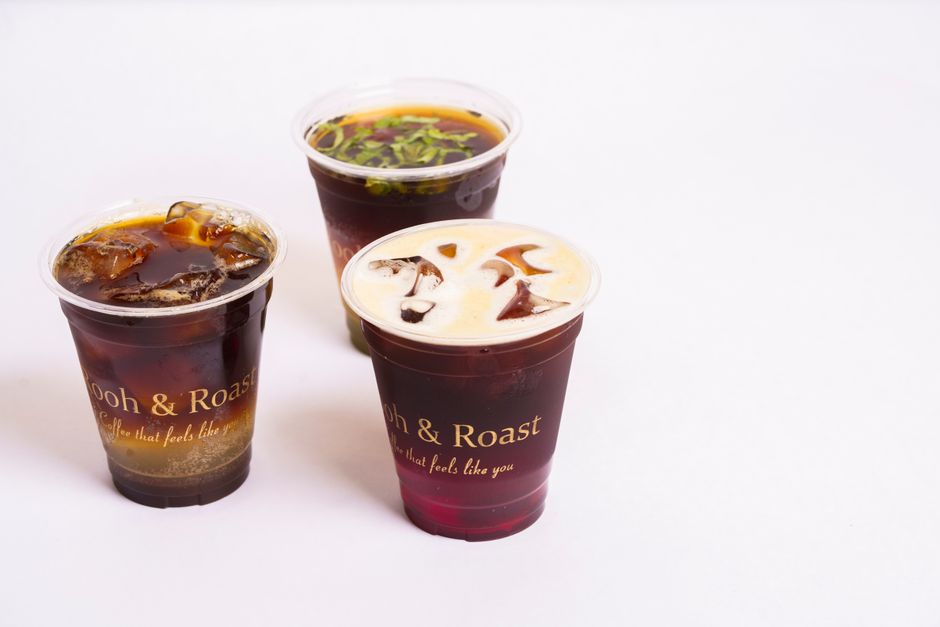
Cold brew coffee is coffee made by steeping coarse-ground beans in cold or room-temperature water for an extended period, usually 12 to 24 hours, then filtering out the grounds. The result is a concentrated liquid that is served over ice or diluted with water or milk. It is not the same drink as iced coffee, which is brewed hot and then chilled.
Whats A Cold Brew Coffee?
Cold brew is a brewing method, not a specific drink. You combine coffee grounds and water at cool temperatures and let time do the extraction work instead of heat.
Heat extracts coffee fast. A hot brew pulls out acids, oils, and aromatic compounds in a few minutes. Cold water extracts much more slowly, so the process stretches over half a day or more. The slower extraction changes what ends up in your cup.
Most cold brew is made as a concentrate. The typical ratio is roughly 1 part coffee to 4 or 5 parts water by weight, though recipes vary widely. The concentrate is then diluted with water, milk, or ice before drinking. Some people brew at a ready-to-drink strength instead and skip the dilution step.
The grounds matter. Coarse grinding is standard because fine particles clog filters and can leave sediment. Most recipes use a medium to dark roast, though lighter roasts work too and produce a brighter, more acidic cup.
How Is Cold Brew Different From Iced Coffee?
Iced coffee is regular hot-brewed coffee that has been cooled and poured over ice. Cold brew never touches heat during extraction. That single difference drives almost everything else.
The flavor profile changes because temperature changes which compounds dissolve. Cold water pulls out fewer of the acids and bitter compounds that hot water extracts quickly. The result tends to be smoother, less acidic, and often described as sweeter or chocolatey. Some people find it easier on the stomach for that reason, though the evidence on cold brew and digestive comfort is mostly anecdotal.
Caffeine content is where people get surprised. Cold brew concentrate can contain more caffeine per ounce than regular drip coffee because of the higher coffee-to-water ratio used in brewing. But because it is usually diluted before serving, a finished glass may have a similar or even lower caffeine level than a cup of hot coffee. The caffeine depends entirely on the ratio and the dilution, not on the brewing method itself.
There is a common belief that cold brew is lower in caffeine because it tastes smoother. That is not reliable. A strong concentrate served undiluted can deliver a substantial dose.
Does Cold Brew Have Less Acid?
Cold brew is generally less acidic than hot-brewed coffee. Measured pH tends to be higher, meaning less acid, though the difference is modest rather than dramatic.
Some research has looked at how brewing temperature affects the extraction of acids and other compounds. The general finding is that cooler brewing extracts fewer of the organic acids that contribute to the sharp, bright taste of hot coffee. This is why cold brew often tastes mellower.
For people with acid reflux or sensitive stomachs, this is often cited as a reason to choose cold brew. The evidence that it meaningfully reduces symptoms is limited and mostly based on the lower measured acidity rather than large clinical trials. It is a reasonable option to try, but it is not a treatment for reflux or any digestive condition.
How Much Caffeine Is in Cold Brew?
There is no single answer because cold brew caffeine depends on the beans, the ratio, the steeping time, and how much you dilute it. A concentrate served straight can be quite strong. The same concentrate cut with water or milk can be moderate.
As a general reference, brewed coffee typically contains around 95 milligrams of caffeine per 8-ounce cup, according to USDA data. Cold brew concentrate can exceed that per ounce, but a diluted serving often lands in a similar range. The only way to know for a specific product is to check the label or the shop’s stated caffeine content.
For context on general intake, the FDA has cited 400 milligrams of caffeine per day as an amount not generally associated with negative effects in healthy adults. That figure is a general guide, not a personal target, and it does not apply to everyone. People who are pregnant, breastfeeding, or managing a health condition should follow guidance from their clinician rather than a general number.
Because cold brew is easy to drink quickly and often served cold and sweet, it is easy to consume more caffeine than intended. If you are sensitive to caffeine, treat concentrate with care.
How Do You Make Cold Brew at Home?
The method is simple and forgiving. The main variables are grind size, ratio, and time.
- Use coarse-ground coffee, roughly the texture of sea salt.
- Combine about 1 part coffee to 4 or 5 parts water by weight for a concentrate.
- Stir gently, cover, and steep in the refrigerator or at room temperature for 12 to 24 hours.
- Strain through a fine mesh filter, cheesecloth, or a paper filter.
- Store the concentrate covered in the refrigerator and dilute to taste before drinking.
Steeping in the refrigerator produces a cleaner, slower extraction. Room-temperature steeping is faster but can pick up more acidity and is less food-safe if left too long. Most recipes recommend refrigerating the concentrate and using it within about a week, though specific storage guidance varies by source.
A common mistake is grinding too fine. Fine grounds make filtering difficult and can leave a muddy texture. Another is under-diluting a strong concentrate, which makes an intensely bitter drink that people then blame on the method.
Is Cold Brew Healthier Than Regular Coffee?
There is no strong evidence that cold brew is healthier than hot coffee. Both contain the same beneficial compounds found in coffee, including antioxidants and caffeine, though the amounts extracted can differ.
The main difference people point to is lower acidity, which may suit some stomachs better. Beyond that, the health effects of coffee are largely attributed to coffee itself, not the brewing temperature. Research on coffee and health outcomes has mostly studied coffee consumption broadly rather than cold brew specifically.
What you add matters more than the brew method. Cold brew is often served with milk, sugar, or flavored syrups, and those additions can turn a low-calorie drink into a high-sugar one. A plain cold brew and a sweetened cold brew latte are very different drinks nutritionally.
One thing worth knowing: cold brew is not a low-caffeine drink by default. If you are watching caffeine intake, the brewing method will not protect you. The serving size and dilution will.
Who Should Be Careful With Cold Brew?
Anyone who needs to limit caffeine should treat cold brew concentrate with the same caution as strong coffee. That includes people who are pregnant or breastfeeding, people with certain heart conditions, and people who are sensitive to caffeine’s effects on sleep and anxiety.
Because cold brew is often consumed cold and in larger volumes, it can be easy to drink more than you would of hot coffee. Caffeine’s effects on sleep, heart rate, and anxiety are well documented, and the amount matters.
People with acid reflux or sensitive stomachs may find cold brew more comfortable, but this is individual. And anyone managing a medical condition or taking medications that interact with caffeine should check with a clinician rather than rely on general guidance.
Frequently Asked Questions
Is cold brew coffee just iced coffee?
No. Cold brew is steeped in cold water for many hours, while iced coffee is brewed hot and then chilled.
Does cold brew have more caffeine than regular coffee?
Cold brew concentrate can be higher in caffeine per ounce, but a diluted serving is often similar to regular coffee. The final amount depends on the ratio and how much you dilute it.
Is cold brew less acidic than hot coffee?
Yes, cold brew generally measures less acidic than hot-brewed coffee. The difference is modest rather than dramatic.
Can you drink cold brew concentrate straight?
You can, but it is strong and often bitter. Most people dilute it with water, milk, or ice before drinking.
