
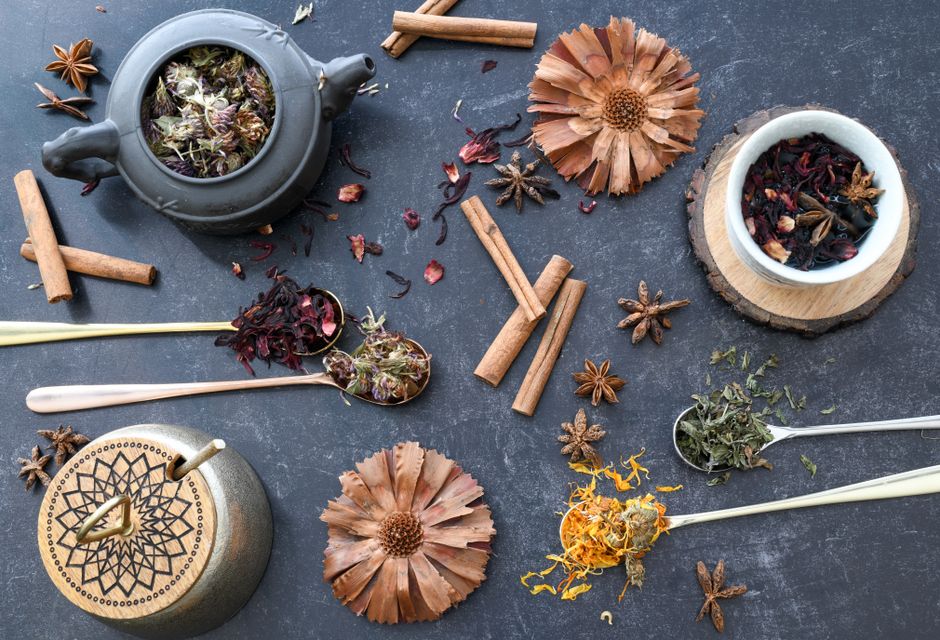
Chai tea is a spiced tea drink that originated in India, where the word “chai” simply means tea. In the West, “chai tea” usually refers to masala chai, a black tea brewed with warm spices like cardamom, cinnamon, ginger, cloves, and black pepper, often served with milk and sweetener. The drink has become a coffee shop staple, but the version you order in a café is often sweeter and less spiced than what is traditionally brewed in Indian homes.
What Is Masala Chai?
Masala chai is the proper name for the spiced tea drink most people call chai tea. “Masala” means spice blend, and “chai” means tea, so masala chai translates to spiced tea. When you order a “chai latte” at a café, you are getting a version of masala chai mixed with steamed milk.
The traditional preparation is simple. Black tea leaves are simmered with water, whole spices, and milk, then sweetened with sugar or honey. The mixture is boiled together, not steeped like regular tea. This longer simmering time extracts more flavor from the spices and creates a stronger, more aromatic cup.
There is no single authentic recipe. Indian families pass down their own spice combinations, and regional variations are common. Some blends feature more ginger, others emphasize cardamom, and some include fennel or star anise. The spices are chosen for flavor, not for any standardized health benefit.
What Spices Are in Chai Tea?
The most common chai spices are cardamom, cinnamon, ginger, cloves, and black pepper. These five appear in most traditional blends, though proportions vary widely. Some recipes add fennel seeds, nutmeg, or star anise for a different flavor profile.
Cardamom gives chai its signature sweet, floral note. It is the spice most people associate with authentic masala chai. Cinnamon adds warmth and mild sweetness. Ginger provides a sharp, slightly spicy kick. Cloves contribute a strong, pungent flavor, so they are usually used sparingly. Black pepper is the surprise ingredient in many traditional blends — it adds a subtle heat that balances the sweetness of the milk and sugar.
Commercial chai blends sold in tea bags or as concentrates often use essential oils or artificial flavorings instead of whole spices. These products can taste good, but they do not deliver the same depth of flavor as freshly brewed chai made with whole spices.
Is Chai Tea Caffeinated?
Yes, chai tea contains caffeine because it is made with black tea. A standard 8-ounce cup of chai made with black tea contains roughly 40 to 60 milligrams of caffeine. For comparison, a regular cup of coffee has about 95 milligrams in the same serving size.
The exact caffeine content depends on the type of black tea used, the amount of tea leaves, and how long the tea is simmered. Longer brewing extracts more caffeine. If you are sensitive to caffeine or pregnant, this matters. A café chai latte can contain more caffeine than a home-brewed cup because many coffee shops use a concentrated chai syrup that packs more tea into each serving.
Caffeine-free versions exist. Rooibos chai and herbal chai blends replace black tea with naturally caffeine-free base ingredients. These options taste similar but lack the briskness that black tea provides. If you are ordering chai in a café and want to avoid caffeine, always ask whether the chai base contains black tea.





What Is the Difference Between Chai Tea and a Chai Latte?
Chai tea is brewed tea with spices, usually with some milk added during preparation. A chai latte is a café-style drink that combines concentrated chai with a large amount of steamed or frothed milk, similar to how a café latte combines espresso with milk.
The main difference is the milk-to-tea ratio. Traditional chai has a strong tea flavor with milk as a supporting ingredient. A chai latte is mostly milk with chai flavoring. This makes the latte creamier and sweeter, but it also dilutes the tea and spice intensity.
Many cafés use a sweetened chai syrup or concentrate rather than brewed tea. These concentrates are heavily sweetened, often containing as much sugar as a soft drink. A 12-ounce chai latte from a coffee shop can contain 30 to 50 grams of sugar before you add anything else. If you are watching your sugar intake, ask for a chai tea brewed from a tea bag and add your own milk and sweetener.
Does Chai Tea Have Health Benefits?
Chai tea contains black tea and spices that have been studied for their antioxidant properties. Black tea is rich in polyphenols, which are plant compounds that can help neutralize harmful free radicals in the body. The spices in chai — especially ginger, cinnamon, and cardamom — also contain bioactive compounds with antioxidant and anti-inflammatory activity.
Some research suggests that regular consumption of black tea may support heart health by improving cholesterol levels and blood pressure. Cinnamon has been studied for its potential to help manage blood sugar, though the amounts used in a cup of chai are small. Ginger is well known for helping with nausea and digestive discomfort.
Here is the honest part: the evidence for these benefits comes largely from studies of individual spices or black tea consumed in specific amounts. No large clinical trials have confirmed that drinking chai tea specifically produces meaningful health outcomes. The amounts of cinnamon or ginger in a typical cup of chai are far below the doses used in supplement studies.
Chai tea is a flavorful way to consume more fluids and enjoy the mild benefits of tea and spices. It is not a medicine. The sugar and milk added to many commercial chai drinks can easily outweigh any health advantages, so how you prepare it matters more than the spice blend itself.
How Is Chai Tea Different From Other Spiced Teas?
Chai is not the only spiced tea tradition in the world, and the differences matter for understanding what you are drinking. Thai tea, for example, is a sweet, creamy drink made with black tea, condensed milk, and sometimes star anise or cardamom. It is much sweeter than chai and often served over ice with a bright orange color from food coloring.
Indian chai is brewed with milk and spices together, creating a unified flavor. Other spiced teas, like Moroccan mint tea, use green tea and fresh mint without milk. Russian caravan tea is a smoked black tea blend that gets its flavor from the drying process, not added spices.
What sets chai apart is the combination of black tea, milk, and a warming spice blend simmered together. The milk is not an addition — it is part of the brewing process. This creates a creamier, richer drink than other spiced teas.
How Do You Make Chai Tea at Home?
Making chai at home is simple and gives you full control over the flavor and sweetness. Start with a black tea like Assam or Darjeeling, which have strong, malty flavors that hold up well to milk and spices.
A basic method: bring one cup of water to a boil with your spices. Add about two teaspoons of loose black tea or one tea bag. Simmer for two to three minutes. Add one cup of milk and your sweetener of choice. Bring the mixture back to a simmer, then strain and serve.
Whole spices work best because they release flavor gradually during simmering. Ground spices can make the tea gritty and bitter. If you want a quick version, many grocery stores sell chai tea bags that contain a blend of black tea and crushed spices. These are convenient but less flavorful than brewing from scratch.
Adjust the spice amounts to your taste. Start with one crushed cardamom pod, a small piece of cinnamon bark, a thin slice of fresh ginger, and one clove. Add black pepper only if you want heat. The beauty of homemade chai is that you can make it exactly how you like it.
Frequently Asked Questions
Is chai tea healthy to drink every day?
Drinking chai tea daily is fine for most people if it is prepared without excessive sugar. The black tea and spices offer mild antioxidant benefits, but the health impact depends mostly on what you add to the cup.
Does chai tea have more caffeine than coffee?
No, chai tea has less caffeine than coffee. A standard cup of chai contains roughly 40 to 60 milligrams of caffeine, while a cup of coffee has about 95 milligrams.
Can you drink chai tea while pregnant?
Chai tea contains caffeine, so pregnant women should limit intake to about 200 milligrams per day, which allows for a cup or two of chai. Some chai spices like ginger are generally considered safe in food amounts, but always discuss herbal tea consumption with your healthcare provider during pregnancy.
Is chai tea the same as chai latte?
No. Chai tea is brewed tea with spices and some milk, while a chai latte is mostly steamed milk with a sweetened chai concentrate. The latte is creamier and much higher in sugar.
